
How to Evaluate High-Speed Corrugator Machines for Output, Board Quality, and ROI
Why do corrugator machines high speed decisions deserve closer scrutiny?
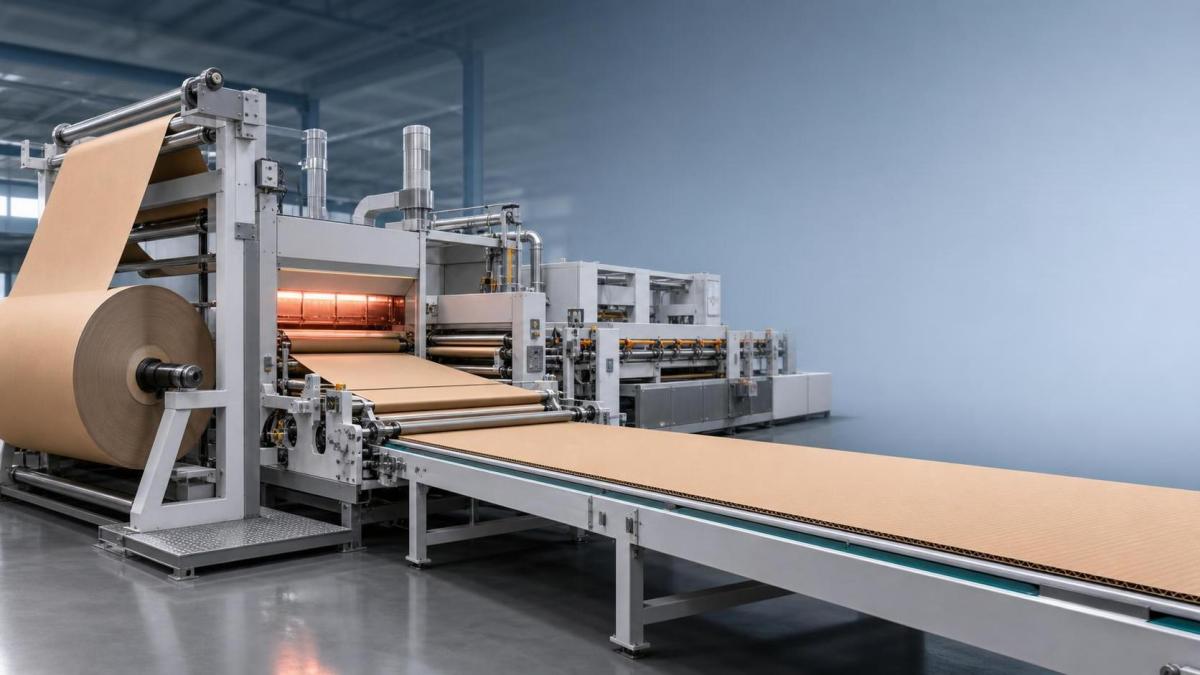
A fast line can look impressive on paper and still underperform in practice.
That is why corrugator machines high speed evaluations should begin with operating reality, not brochure speed.
Output matters, but board flatness, bond consistency, warp control, and stoppage frequency matter just as much.
In many plants, the real constraint is not top speed.
It is how steadily the line holds quality across paper changes, shift changes, and mixed order schedules.
The broader packaging chain also raises the stakes.
If board variation reaches the offset press, die-cutter, or folder gluer, downstream waste increases quickly.
PWFS often frames this as system intelligence rather than machine speed alone.
A corrugated board line is the structural starting point for packaging value, printability, and conversion stability.
So the key question is simple.
Can the chosen line convert paper into sellable board, at speed, with repeatable economics?
What separates a genuinely high-speed corrugator from a merely fast specification?
A genuine high-speed line is built for stable throughput under normal production pressure.
That means synchronized heating, precise tension control, fast order change, and reliable glue application.
The machine should also maintain flute formation and bond integrity when paper grades vary.
In actual comparisons, four checkpoints reveal the difference faster than any headline speed claim.
- Average saleable meters per shift, not theoretical peak meters per minute.
- Quality retention above 80% to 90% of rated speed.
- Recovery time after splice, jam, or order change.
- Energy use and steam efficiency during mixed production, not only long runs.
This is where corrugator machines high speed projects are often misjudged.
A line that runs slightly slower but with fewer defects can deliver stronger margin.
More common than expected is a plant buying excess speed while lacking order discipline or utilities stability.
When that happens, the asset becomes oversized, not strategic.
Which board quality indicators should be checked before output claims?
Board quality is where the investment proves itself.
If the board leaves the line with warp, weak bonding, crushed flute, or moisture imbalance, high speed loses meaning.
A practical review usually starts with measurable outcomes.
This quality view aligns with the PWFS perspective across packaging systems.
Good corrugated board supports better print registration, cleaner die-cutting, and more stable folding geometry later.
So board quality is not a side metric.
It is the bridge between corrugation output and total packaging performance.
How should automation, maintenance, and utilities shape the final choice?
This is usually where the smartest decisions are made.
Two corrugator machines high speed options may look similar, yet behave very differently over three years.
The difference often comes from controls architecture, wear-part design, and utility integration.
Start with automation depth.
Recipe management, splice coordination, heating control, and defect tracking reduce dependence on manual correction.
Then look at maintenance exposure.
Accessible modules, standard components, and remote diagnostics can shorten downtime dramatically.
Utilities deserve equal attention.
Steam stability, condensate recovery, glue kitchen control, and power quality determine whether speed is sustainable.
A simple review checklist helps keep the comparison grounded.
- Confirm whether the control system logs stoppage causes by category.
- Check spare-part lead times for corrugating rolls, belts, pumps, and sensors.
- Review utility consumption per sellable square meter, not per installed hour.
- Ask how the line integrates with MES, scheduling, and quality reporting.
- Verify training scope for operators, maintenance teams, and process engineers.
The more digitally connected the plant becomes, the more valuable this discipline is.
PWFS repeatedly highlights that automation without usable data is incomplete modernization.
When does ROI on corrugator machines high speed really make sense?
ROI should be calculated from usable output and avoidable loss, not from nameplate speed.
A reliable model usually includes seven cost and value layers.
- Saleable board increase from higher stable throughput.
- Waste reduction during startup, changeover, and grade transition.
- Lower rework costs in printing, die-cutting, and folding.
- Labor efficiency from automation and fewer interventions.
- Energy savings from better steam and heat management.
- Maintenance cost trend over the first 36 months.
- Revenue upside from entering higher-spec or faster-turnaround orders.
In practical terms, a high-speed line makes the most sense in three situations.
First, demand is already constrained by corrugation capacity or unstable board quality.
Second, downstream conversion is modern enough to absorb better board flow.
Third, the plant can support utilities, planning discipline, and preventive maintenance.
If those conditions are missing, corrugator machines high speed may extend payback instead of shortening it.
What mistakes tend to weaken a high-speed corrugator investment?
The most common mistake is chasing maximum speed without defining the production mix.
A line optimized for long, repeat orders may disappoint in short-run, high-change environments.
Another mistake is evaluating the line in isolation.
If warehousing, preheating, paper logistics, or conversion bottlenecks stay unchanged, the gains stay partial.
Some buyers also underestimate qualification work.
Paper combinations, adhesive recipes, operator habits, and maintenance routines all influence early performance.
A more disciplined approach is to request evidence in conditions close to real production.
That includes board samples, uptime logs, utility data, and reference runs with similar basis weights.
It also helps to compare how the line supports traceability and compliance.
In export packaging, fiber sourcing, process records, and quality documentation increasingly affect customer approval.
So what is the next sensible step before making a final decision?
Start by defining the board portfolio the line must run profitably.
Then build a comparison sheet around saleable output, board quality, utilities, maintenance, and data visibility.
That usually produces a more reliable result than comparing speed alone.
For corrugator machines high speed projects, the strongest choice is usually the line that keeps the whole packaging flow stable.
From the PWFS viewpoint, that means connecting corrugation performance with printability, conversion precision, automation readiness, and long-term manufacturing intelligence.
Before approval, review reference data, validate assumptions with real order patterns, and test the payback model against downtime and waste scenarios.
That is usually where a good equipment decision becomes a durable competitive advantage.
Related News
Get weekly intelligence in your inbox.
No noise. No sponsored content. Pure intelligence.
