
Packaging Digital Connectivity: How to Link Press, Converting, and ERP Data
Packaging Digital Connectivity: How to Link Press, Converting, and ERP Data
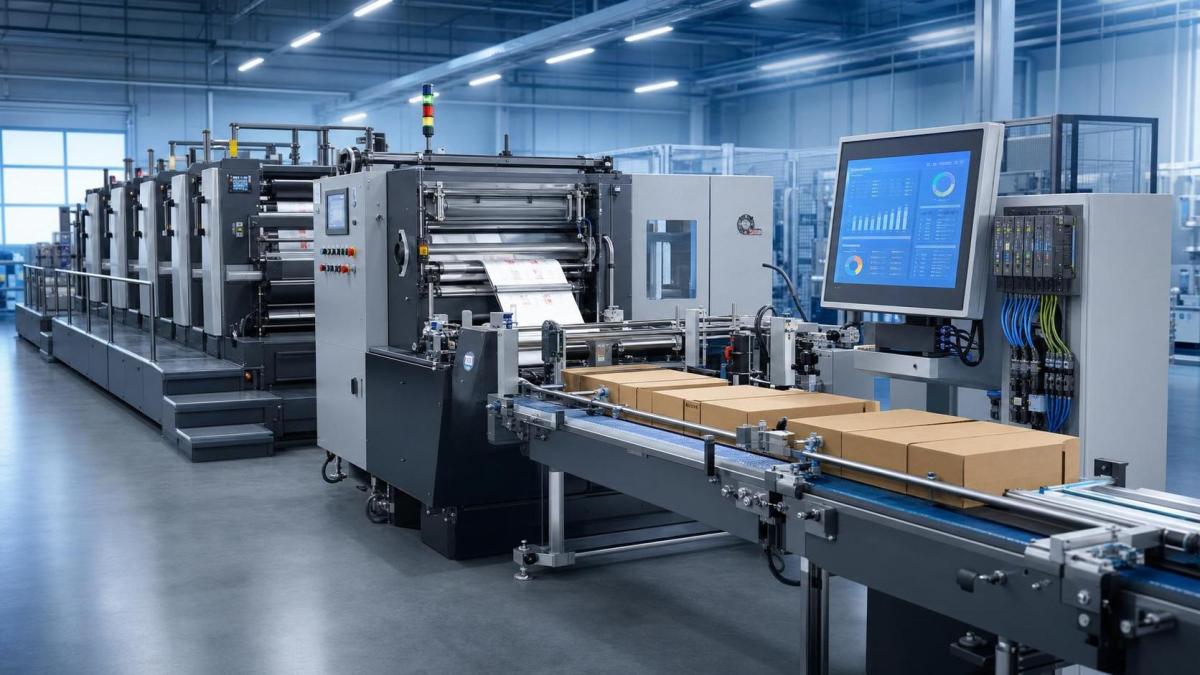
In modern packaging plants, packaging digital connectivity is no longer optional.
It now supports faster decisions, tighter quality control, and more reliable delivery performance.
The real challenge is not collecting more data.
It is making press data, converting data, and ERP records speak the same language.
That is where packaging digital connectivity creates practical value.
Instead of isolated dashboards, teams gain one operating picture across production and planning.
This matters even more in plants running corrugated lines, offset presses, die-cutters, folder-gluers, and finishing equipment together.
A delay on one machine can quickly affect inventory, labor, shipment timing, and customer commitments.
From a business perspective, packaging digital connectivity turns those chain reactions into manageable signals.
Why Packaging Digital Connectivity Has Become a Plant-Level Priority
Recent changes make the need more urgent.
Shorter runs, version-heavy packaging, and tighter delivery windows have raised planning complexity.
At the same time, energy costs and material waste remain under pressure.
More clearly, customers now expect traceability, job visibility, and fewer surprises.
Without packaging digital connectivity, every update depends on calls, spreadsheets, or manual status checks.
That slows response time and hides root causes.
With connected systems, plants can see actual speeds, waste rates, stoppages, queue buildup, and order changes in context.
This also means packaging digital connectivity supports both factory execution and business control, not one or the other.
What Data Should Be Linked First
A common mistake is trying to connect everything at once.
A better route starts with the data that affects scheduling, quality, and customer delivery.
- ERP order data, including SKU, quantity, due date, routing, and priority.
- Press data, including make-ready time, run speed, waste sheets, and color stability.
- Converting data, including die-cut speed, glue quality, rejects, and downtime causes.
- Inventory signals, including board stock, ink, plates, glue, and WIP status.
- Maintenance status, including alarms, condition trends, and planned interventions.
- Quality records, including inspection results, defect patterns, and traceability references.
In practical operations, these six layers already cover most daily decisions.
They also provide a strong base for packaging digital connectivity without creating a huge integration burden on day one.
A Practical Architecture for Linking Press, Converting, and ERP Data
The most effective model is usually simple.
ERP stays the master for orders, customers, costing, and delivery commitments.
Machines remain the source for actual production performance.
A MES or integration layer sits between them.
That layer translates machine signals into business-ready information.
It also sends approved job instructions back to the floor.
A workable packaging digital connectivity structure often looks like this:
- Receive orders and routing rules from ERP.
- Map each order to press and converting assets.
- Capture live machine states through standard protocols or gateways.
- Normalize names, units, timestamps, and job identifiers.
- Push exceptions, progress, and material usage back into ERP.
- Display one production view for planning, quality, and operations teams.
This approach keeps packaging digital connectivity scalable while avoiding expensive custom rewrites across every machine brand.
Where Plants Usually Struggle
Most problems are not caused by software alone.
They usually come from inconsistent process definitions and weak data discipline.
Several risks appear again and again in packaging digital connectivity projects:
- Different job numbers across ERP, prepress, printing, and converting systems.
- Manual downtime codes entered late or entered differently by each shift.
- Old machines that expose limited data or no clean interface.
- Overly ambitious dashboards with no action logic behind them.
- Poor ownership between IT, production, maintenance, and quality teams.
The good news is that each risk is manageable.
The key is treating packaging digital connectivity as an operating model, not just an installation task.
How to Roll Out Packaging Digital Connectivity Without Disrupting Production
A phased rollout usually works best.
It reduces risk and helps teams prove value early.
Phase 1: Standardize the core data
Start with product codes, job numbers, machine names, units, and shift definitions.
If these are unstable, packaging digital connectivity will stay noisy and unreliable.
Phase 2: Connect one press and one converting line
Choose a representative production flow with visible pain points.
That makes wins easier to measure and easier to explain internally.
Phase 3: Track three operational KPIs
Focus on schedule adherence, waste, and unplanned downtime first.
These KPIs quickly show whether packaging digital connectivity is changing daily execution.
Phase 4: Expand to costing and traceability
Once floor data is trusted, connect material usage, labor time, and lot references.
This is where packaging digital connectivity starts improving margin control and compliance readiness.
What Good Results Look Like
When the system is working, the effects are visible on the floor and in the office.
For complex operations, these gains often matter more than a flashy dashboard.
They show that packaging digital connectivity is improving response speed, execution discipline, and customer reliability at the same time.
Why This Matters for Advanced Packaging and Industrial Intelligence
The broader industry direction is clear.
High-speed presses, automated die-cutting, and smart converting lines generate huge operational detail.
But detail alone does not create control.
Control comes from connecting that detail to planning, costing, compliance, and delivery promises.
That is exactly where packaging digital connectivity supports the next step in intelligent manufacturing.
For intelligence-driven platforms such as PWFS, the signal is even stronger.
The future belongs to plants that can link micron-level process control with enterprise-level decisions.
In other words, packaging digital connectivity is becoming the bridge between machine excellence and commercial performance.
A Clear Next Move
The smartest next move is usually not a full digital overhaul.
It is a focused packaging digital connectivity pilot with measurable outcomes.
Pick one workflow from order release to finished box output.
Map the data handoffs, remove naming conflicts, and connect real machine feedback to ERP status.
Then review what changed in downtime visibility, waste control, and schedule confidence.
That small start often reveals the strongest business case.
In a market shaped by speed, customization, and traceability, disconnected systems are becoming the real bottleneck.
Packaging digital connectivity is how modern plants turn information into flow, and flow into dependable growth.
Related News
Get weekly intelligence in your inbox.
No noise. No sponsored content. Pure intelligence.
