
How to Choose High-Speed Gluing Machines: Speed, Adhesive, and Carton Type Explained
How to Choose High-Speed Gluing Machines: Speed, Adhesive, and Carton Type Explained
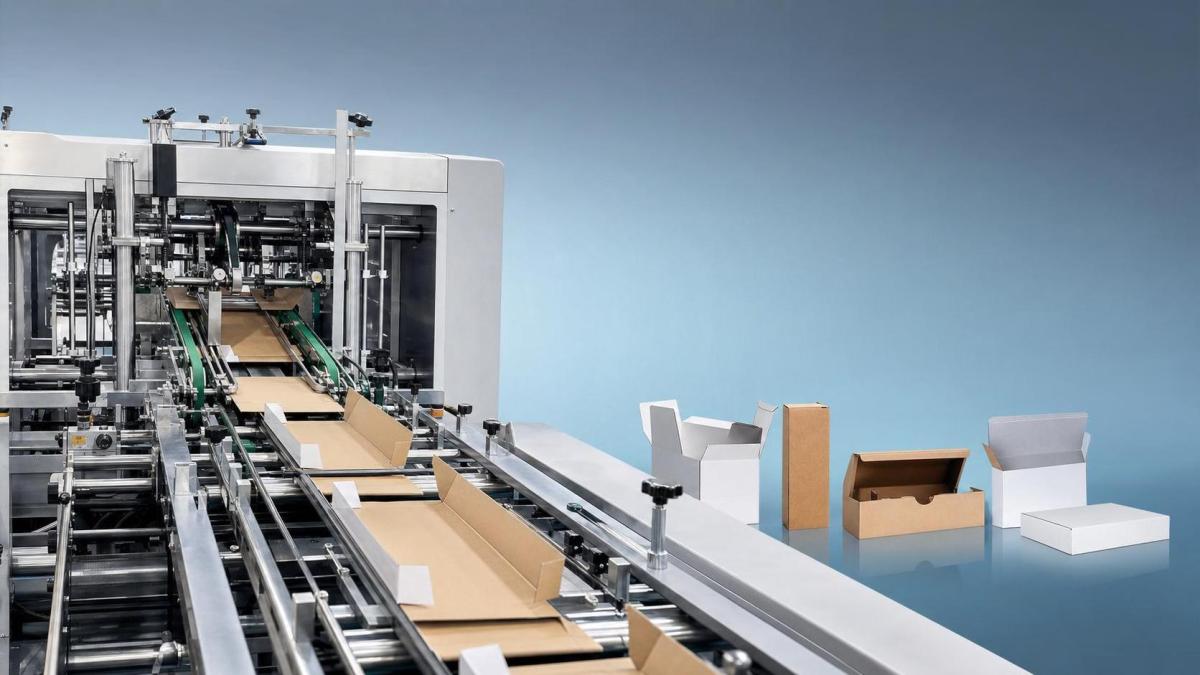
Choosing high-speed gluing machines is not only about chasing the highest rated output.
A smart decision comes from matching speed, adhesive behavior, and carton structure to real production conditions.
When that match is right, uptime improves, waste drops, and box quality becomes more predictable.
When it is wrong, even expensive high-speed gluing machines can create bottlenecks, glue failure, and unstable folding.
This matters even more now, as packaging lines face shorter runs, more SKU variation, and tighter delivery windows.
In practical terms, the best machine is the one that fits the plant’s mix of board grades, adhesives, and carton designs.
That is why evaluating high-speed gluing machines needs a wider lens than nameplate speed alone.
Start with Real Production Speed, Not Advertised Speed
Many suppliers highlight peak speed, but peak speed rarely reflects everyday output.
The better question is simple: how fast can the machine run while keeping glue lines clean and cartons square?
For most operations, stable output matters more than occasional top-end bursts.
High-speed gluing machines should be assessed by sustained speed under normal shift conditions.
That includes setup frequency, carton size changes, operator skill, and the actual adhesive open time.
A machine running slower but steadily can outperform a faster model that stops often for adjustment.
What to measure during evaluation
- Average cartons per minute over a full shift.
- Time lost during job changeovers.
- Reject rate at different speed bands.
- Speed consistency with thin, thick, and coated stock.
- Operator intervention needed to maintain glue quality.
From a cost perspective, these data points usually reveal the true value of high-speed gluing machines.
Adhesive Compatibility Can Make or Break Performance
Adhesive selection is often treated as a secondary issue.
In reality, it is one of the main reasons why high-speed gluing machines succeed or struggle.
Different adhesives behave differently under heat, pressure, speed, and humidity.
That means the glue system must match both the carton material and the production environment.
Common adhesive considerations
- Viscosity affects flow stability and glue line control.
- Open time affects bonding at higher running speeds.
- Drying or setting speed influences compression section length needs.
- Substrate absorption changes bond strength on coated and uncoated cartons.
- Temperature sensitivity affects seasonal consistency.
Water-based adhesives may work well for many folding carton jobs, but not every line runs the same board or finish.
If cartons use varnish, film lamination, or special coatings, bond reliability becomes more complex.
This is where glue application technology matters.
Some high-speed gluing machines offer more precise disc, nozzle, or electronic gluing control than others.
That flexibility can reduce glue waste and improve bonding on mixed job portfolios.
Questions worth asking suppliers
- Which adhesives have already been tested on similar carton structures?
- How stable is glue application above normal production speed?
- How easy is cleaning when switching adhesive types?
- Can the system maintain accuracy on narrow glue flaps?
Carton Type Should Drive the Machine Configuration
Not all cartons place the same demands on high-speed gluing machines.
Straight-line boxes are very different from crash-lock bottoms, multi-corner cartons, or e-commerce mailers.
That difference affects feeder stability, folding precision, glue placement, and compression time.
A machine that performs well on standard cartons may struggle with more complex geometries.
For that reason, carton type should shape the final machine specification from the beginning.
Typical carton variables to review
- Board thickness and stiffness.
- Blank size range and minimum flap width.
- Number of folds and folding sequence complexity.
- Need for crash-lock, 4-corner, or 6-corner capability.
- Tolerance for cosmetic defects on premium printed cartons.
This becomes especially important in sectors like cosmetics, pharmaceuticals, food packaging, and retail-ready display cartons.
Those jobs often need tighter alignment and cleaner finished edges.
In contrast, shipping cartons may prioritize throughput and bond strength over visual perfection.
The more diverse the carton mix, the more valuable machine flexibility becomes.
Look Beyond Throughput to Total Operating Efficiency
A fast line is useful only when the whole workflow supports it.
That includes feeding, alignment, folding, compression, inspection, packing, and maintenance.
In many plants, the hidden losses around the machine matter more than the rated machine speed.
This is why high-speed gluing machines should be compared through total operating efficiency.
Key efficiency factors
- Feeder reliability at mixed carton sizes.
- Memory settings for repeat jobs.
- Ease of adjustment for short production runs.
- Availability of defect detection or glue monitoring.
- Maintenance access and spare parts response time.
More recent buying decisions also consider digital integration.
Machine data, remote diagnostics, and MES connectivity can support faster troubleshooting and better scheduling.
For operations managing many SKUs, that visibility can be a major advantage.
Simple comparison table
Use a Practical Selection Framework
In actual sourcing work, a practical framework keeps machine comparisons objective.
It also reduces the chance of buying high-speed gluing machines based on showroom performance alone.
A workable decision sequence
- List the top carton styles by volume and margin.
- Define real adhesive types used across those jobs.
- Set minimum acceptable sustained speed, not peak speed.
- Request trial runs using your own blanks and glue.
- Measure rejects, setup time, and glue consistency.
- Review service capability, training, and spare parts support.
- Calculate total cost per usable carton, not only machine price.
This approach usually leads to a better long-term fit.
It reflects real packaging conditions rather than ideal laboratory settings.
For mixed production environments, that distinction is critical.
Final Thoughts on Choosing High-Speed Gluing Machines
The right high-speed gluing machines are the ones that stay stable under the jobs you actually run.
Speed matters, but only when adhesive performance and carton design support that speed.
That is the core idea behind better equipment selection.
A balanced review should test sustained throughput, glue compatibility, carton flexibility, and operating efficiency together.
Seen this way, high-speed gluing machines become a strategic production asset, not just a faster line item.
If the goal is cleaner output, lower waste, and stronger delivery performance, begin with plant data, live trials, and realistic job demands.
That final step often separates a confident investment from an expensive compromise.
Related News
Get weekly intelligence in your inbox.
No noise. No sponsored content. Pure intelligence.
