
High Speed Gluing Problems Explained: Skips, Stringing, Bond Failure, and How to Fix Them
Why does high speed gluing fail even when the line looks stable?
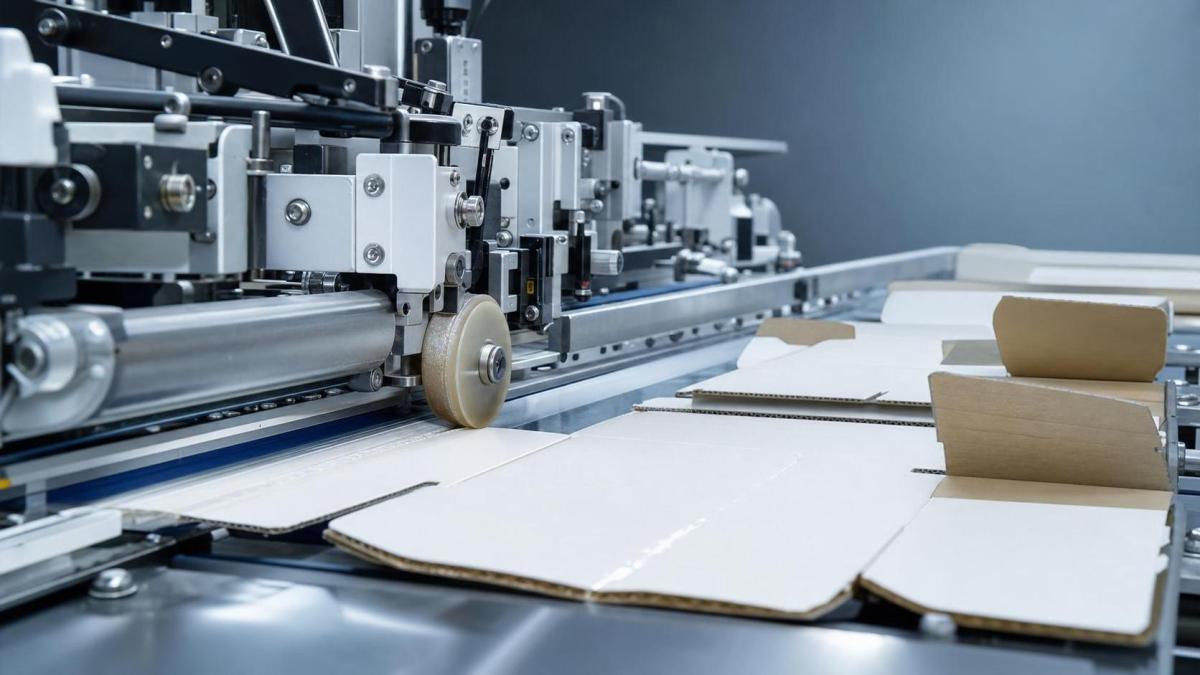
High speed gluing problems rarely come from one setting alone. Most failures appear when machine speed, glue rheology, carton stock, and compression timing drift out of balance.
On a modern folder-gluer, the window for correct application is extremely small. A tiny change in viscosity, wheel pressure, or board dust can create visible skips.
That is why high speed gluing is closely watched across PWFS sectors, from corrugated converting to folding cartons and panel edge sealing.
In practical terms, the symptom tells you where to look. Stringing points to adhesive stretch or cut-off issues. Skips suggest delivery inconsistency. Bond failure usually means poor wetting, short open time, or weak compression.
A useful rule is simple: if the glue line looks wrong before compression, check application. If it looks fine but opens later, check substrate, dwell time, and curing conditions.
High speed gluing also becomes harder when production switches frequently. Coated board, recycled corrugated, laminated surfaces, and varnished cartons all react differently to the same adhesive.
What usually causes skips, and how can they be corrected fast?
Skips are among the most common high speed gluing defects because they are visible immediately and often appear intermittently, which makes diagnosis frustrating.
The first check is glue supply consistency. If the pump pulses, the hose traps air, or the pan level drops, the bead becomes uneven.
The second check is applicator condition. Worn discs, dirty nozzles, dried adhesive on transfer parts, or poor alignment can interrupt contact for milliseconds.
Stock condition matters just as much. Warp, curl, edge damage, or excessive powder can lift the flap away from the glue path.
When skips suddenly increase after a speed ramp, reduce one variable at a time instead of changing everything. Slow the line slightly, confirm bead continuity, then restore speed after the pattern stabilizes.
- Check glue temperature and viscosity against the working range, not only the drum specification.
- Inspect hoses, filters, and pump pressure for air entry or flow fluctuation.
- Clean applicator heads and confirm wheel or nozzle contact at production speed.
- Verify blank flatness, feeder timing, and side guide stability.
In many plants, skips are treated as a glue problem first. More often, the deeper cause is unstable blank presentation.
Why does stringing appear at high speed, especially on clean-looking setups?
Stringing happens when adhesive forms fine threads instead of separating cleanly. At high line speeds, those threads can land outside the target area and contaminate cartons.
The most common trigger is viscosity that is too high for the actual machine speed and ambient temperature. Glue may be technically in spec but still too elastic on the line.
Another trigger is excessive pick-up from the wheel or nozzle. When the transfer volume is too generous, the adhesive stretches rather than breaks.
Surface chemistry also matters. Coated and glossy stocks may resist wetting, forcing the bead to sit proud and pull into strings during separation.
This is where experience from the PWFS intelligence framework becomes useful. In high-precision print and packaging, micron-level registration is valuable, but clean glue cut-off is equally critical for downstream folding quality.
If stringing starts after weather changes or a fresh adhesive batch, compare humidity, room temperature, and batch age before adjusting hardware aggressively.
That quick comparison helps separate adhesive behavior from mechanical timing. It also prevents overcorrecting a problem that started elsewhere.
Bond failure after compression: is the glue wrong, or is the board the real issue?
Weak bonds are often blamed on adhesive choice, yet the board surface is just as often responsible. Recycled fibers, coatings, low-energy films, and moisture imbalance can all reduce bond strength.
In high speed gluing, the adhesive must wet the surface, stay open long enough, then set under compression before the carton relaxes. If any one step is shortened, failure appears later.
Watch the failure mode carefully. If fiber tears, the bond is usually strong. If the glue peels cleanly, wetting or surface compatibility is likely poor.
For printed packaging, heavy varnish or ink coverage can create a difficult bonding layer. For corrugated work, flute crush, absorbency variation, and warehouse humidity can interfere with repeatability.
The same logic appears in woodworking and edge banding. Fast production only works when material condition is predictable. Adhesive performance cannot fully compensate for unstable substrate behavior.
- Confirm stock moisture and storage history before long production runs.
- Check whether coatings, lamination, or dust are blocking wetting.
- Review compression section length and pressure uniformity.
- Test bond strength after realistic curing time, not only at line exit.
When bond failure is inconsistent across shifts, environmental control is often the missing piece rather than a different glue grade.
Which settings should be checked first before changing adhesive grade?
Changing adhesive too early can hide the true cause. A disciplined troubleshooting order saves time, scrap, and unnecessary supplier debates.
Start with the delivery path. Is the bead centered, continuous, and sized for the flap width? If not, adjust the application system first.
Then check machine timing. Folding sequence, belt pressure, and compression duration must match actual production speed, not yesterday’s settings.
After that, confirm glue condition. Temperature drift, contamination, pot life, and tank skinning can all shift performance during a shift.
Only then does adhesive selection become the main question. If the line is stable but the substrate changed, a different open time or tack profile may be justified.
A practical decision path looks like this:
- Verify feed stability and blank geometry.
- Inspect applicator cleanliness and alignment.
- Measure glue condition during production, not at startup only.
- Review compression time at current speed.
- Test on actual substrate mix before switching grade.
That sequence is especially useful in lines handling varied cartons, e-commerce packaging, and short-run customized jobs where changeovers are frequent.
How can high speed gluing stay reliable over long runs and fast changeovers?
Reliability comes less from heroic adjustments and more from stable routines. The best-performing lines make glue behavior measurable instead of intuitive.
In actual application, that means recording viscosity windows, room conditions, bead width, compression settings, and substrate notes for repeat jobs.
It also helps to treat high speed gluing as part of a larger converting system. On PWFS-covered lines, print quality, die-cut accuracy, folding geometry, and gluing stability influence each other.
A carton with perfect graphics still fails if the glue joint opens in transit. A board cut precisely for furniture still disappoints if edge sealing is inconsistent. Process linkage matters.
For day-to-day control, a short checklist usually delivers better results than occasional major interventions.
- Standardize startup checks for glue flow, bead pattern, and compression contact.
- Log any skip, stringing, or bond failure against speed and substrate lot.
- Clean transfer parts before buildup becomes visible.
- Separate machine faults from adhesive faults using repeatable trial steps.
- Review recurring defects after shift changes and weather shifts.
If recurring problems persist, the next move is not guesswork. Compare application data, board condition, and compression timing as one system, then adjust the limiting factor first.
That approach keeps high speed gluing under control, reduces waste, and supports the broader goal of cleaner, faster, and more flexible paper and wood processing.
Related News
Get weekly intelligence in your inbox.
No noise. No sponsored content. Pure intelligence.
