
How to Choose Folding Carton Equipment for Short Runs, Speed, and Changeover Needs
How to Choose Folding Carton Equipment for Short Runs, Speed, and Changeover Needs
Choosing the right folding carton equipment is critical when short runs, faster output, and rapid changeovers directly affect profitability.
The real challenge is not headline speed alone.
It is finding a system that matches job mix, carton complexity, labor availability, and total operating cost.
That matters even more today, because SKU growth keeps shortening run lengths.
More frequent artwork updates also push converters toward flexible, faster-to-set folding carton equipment.
This guide breaks down what to evaluate before making a buying decision.
Start With the Production Reality, Not the Brochure
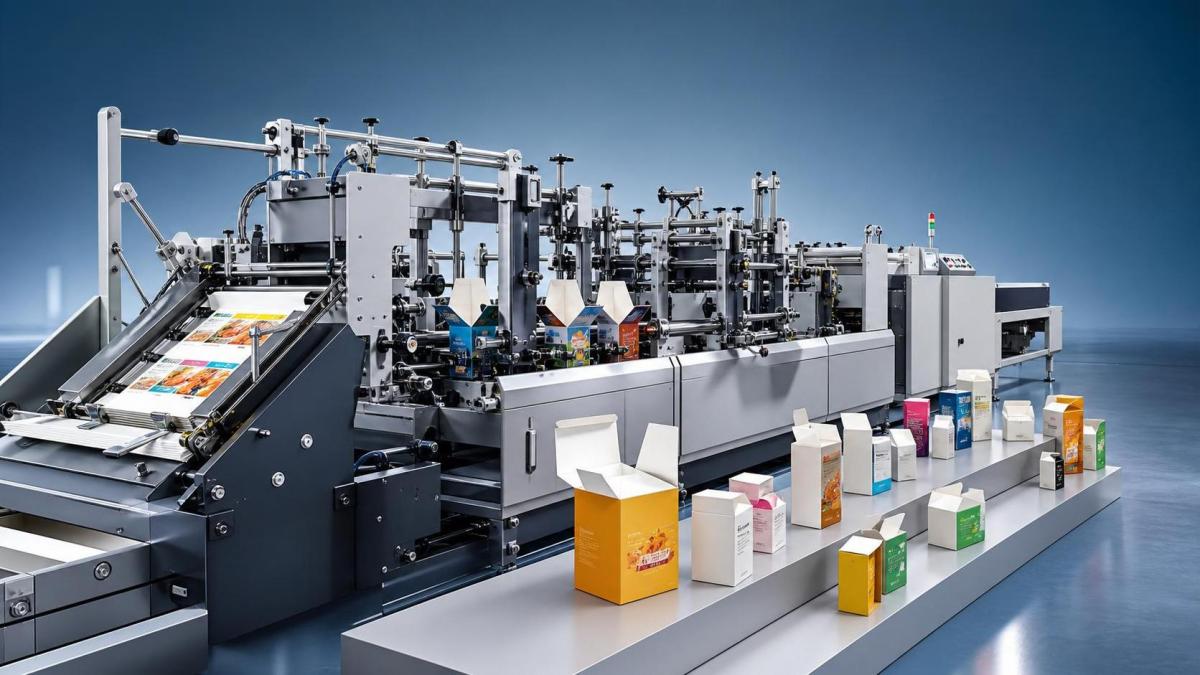
The best folding carton equipment choice begins with current production data.
Look at average order size, daily changeovers, substrate range, and box styles.
In many plants, short runs create more hidden downtime than actual printing or converting time.
That means setup efficiency can be more valuable than peak rated speed.
A machine rated at very high speed may underperform if every new job requires lengthy manual adjustment.
From a sourcing perspective, this is often where equipment comparisons become clearer.
Questions to answer first
- How many jobs run below 5,000 sheets or cartons?
- How many changeovers happen per shift?
- Which carton structures require special folding or gluing features?
- How often do operators lose time correcting registration or feeding issues?
- What labor skill level is available for complex setups?
These answers create a practical filter for evaluating folding carton equipment options.
Why Short Runs Change the Buying Criteria
Short-run packaging production changes what “efficient” really means.
For longer jobs, high output speed usually dominates the ROI calculation.
For short runs, waste during setup and time between jobs become bigger cost drivers.
This is why folding carton equipment for short runs should be judged on repeatability first.
Can settings be saved and recalled quickly?
Can operators move from one SKU to another without trial-and-error adjustments?
That is where modern automation starts paying back.
Features that matter most for short runs
- Recipe storage for repeat jobs
- Motorized adjustments for guides, carriers, and belts
- Fast feeder setup with stable sheet handling
- Automatic inspection or reject systems
- Reduced makeready waste on board and glue
A lower-speed line with faster recovery between jobs can outperform a faster line over a full week.
Evaluate Speed the Right Way
Speed is still important, but it needs context.
Suppliers often highlight maximum mechanical speed.
In actual production, achievable speed depends on carton design, substrate behavior, glue pattern, and operator skill.
The better metric is sustained productive speed across your common job mix.
For folding carton equipment, that includes uptime, restart reliability, and quality consistency at speed.
Ask vendors for these speed details
- Average running speed for straight-line, crash-lock, and multi-point cartons
- Time lost when moving between board thicknesses
- Performance with coated, uncoated, and recycled substrates
- Speed drop when inspection modules are activated
- Labor needed to maintain stable output at target speed
This approach prevents overbuying based on theoretical output that rarely appears on the shop floor.
Changeover Time Often Decides Profitability
In practice, changeover performance can make or break a folding carton equipment investment.
A five-minute improvement repeated several times per shift becomes a major capacity gain.
This also reduces operator stress and lowers the risk of setup errors.
More importantly, quick changeovers improve responsiveness to urgent customer orders.
What drives faster changeovers
- Tool-less adjustment points
- Preset positions with digital indicators
- Servo-driven section changes
- Accessible machine layout for cleaning and setup
- Standardized glue system calibration
When reviewing folding carton equipment, request a live changeover demonstration using a real carton sample.
That usually reveals more than a polished showroom run.
Match Equipment to Carton Complexity
Not all folding carton equipment handles complex structures equally well.
Simple straight-line cartons need a different setup strategy than pharmaceutical, cosmetic, or promotional boxes.
Carton geometry affects feeding stability, folding sequence, glue placement, and final squareness.
This is one reason buyers should map future product plans, not only current work.
Common capability checks
- Crash-lock bottom capability
- 4-corner and 6-corner conversion support
- Small-format carton stability
- Capability for lightweight or warped board
- Inspection for glue presence and fold accuracy
Choosing underspecified folding carton equipment may save capital upfront, but it can limit higher-margin work later.
Look Beyond Purchase Price to Total Cost
Price matters, but it is only one line in the investment case.
The stronger decision model compares total cost of ownership across several years.
That includes uptime, maintenance demand, spare parts access, glue consumption, waste levels, and labor efficiency.
For folding carton equipment, a cheaper machine may become the expensive option if downtime is frequent.
Key cost factors to compare
This wider lens leads to better long-term equipment selection.
Do Not Ignore Integration and Service Support
A strong folding carton equipment decision also depends on what happens after installation.
If the machine connects poorly with existing workflow, the promised gains may never appear.
The same applies when service response is slow or spare parts are difficult to source.
This is especially relevant for operations managing frequent job scheduling changes.
Support points worth checking
- MES or ERP connectivity
- Remote diagnostics and software updates
- Local technician coverage
- Spare parts lead time
- Operator and maintenance training depth
The right supplier should support process improvement, not just machine delivery.
A Practical Selection Framework
To compare folding carton equipment objectively, use a weighted scorecard.
This keeps the decision grounded in business priorities rather than sales presentation style.
- Define must-have carton formats and board range.
- Measure current setup time, waste, and labor cost.
- Set target gains for throughput and changeover reduction.
- Request sample runs with actual production jobs.
- Score each machine on flexibility, speed, support, and ownership cost.
- Validate references from plants with similar order profiles.
That process usually leads to a much more defensible investment decision.
Final Thought
The best folding carton equipment is not simply the fastest machine on paper.
It is the one that fits short-run economics, supports rapid changeovers, and delivers reliable quality across real jobs.
When speed, flexibility, and service support are evaluated together, the selection becomes clearer.
Start with production facts, test with live samples, and compare total operating impact before committing.
That is the most practical way to choose folding carton equipment that stays valuable as packaging demand keeps changing.
Related News
Get weekly intelligence in your inbox.
No noise. No sponsored content. Pure intelligence.
