
Are high-speed folder gluers worth the higher upfront cost?
For finance approvers, the case for high-speed folder gluers begins with economics, not machine speed alone. Higher capital cost matters, but lifetime output, labor savings, and waste reduction matter more.
In modern packaging plants, delivery pressure is increasing while margins are tightening. Under those conditions, high-speed folder gluers can become a strategic asset rather than an expensive upgrade.
What high-speed folder gluers mean in practical terms
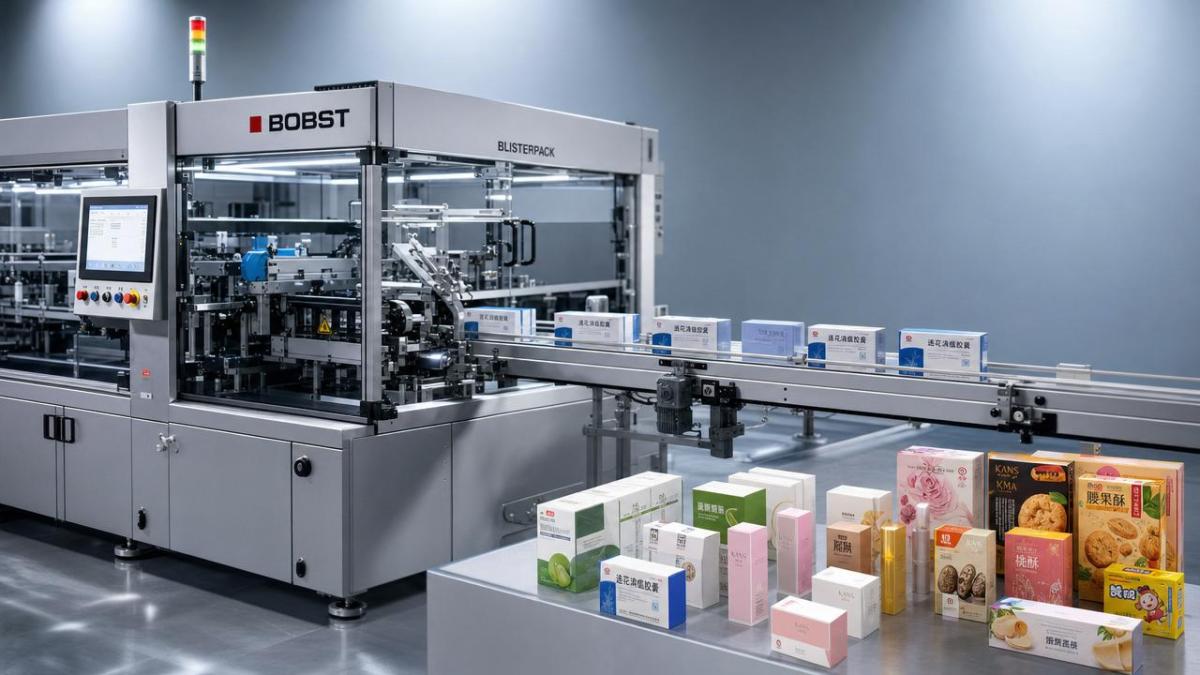
High-speed folder gluers are automated converting systems that fold, align, glue, and deliver cartons at very high rates with stable repeatability.
They are widely used for pharmaceutical boxes, cosmetic cartons, food sleeves, e-commerce packaging, and many other folding carton formats.
Compared with standard equipment, high-speed folder gluers usually offer faster setup memory, stronger servo control, better inspection integration, and more reliable glue application.
The cost difference comes from engineering precision, automation depth, and the ability to maintain quality at sustained speed.
Core performance dimensions
- Throughput per hour and per shift
- Changeover time between carton styles
- Glue consistency and bond quality
- Waste during startup and production
- Labor required to maintain target output
- Integration with inspection, counting, and packing
Current market signals shaping investment decisions
The business case for high-speed folder gluers has strengthened because packaging demand is changing in both volume and complexity.
Across print and converting operations, shorter runs and faster deliveries are becoming normal. At the same time, quality expectations remain high.
For PWFS-observed packaging environments, the strongest argument is often not maximum rated speed. It is dependable speed with lower process variation.
Cost structure beyond the purchase price
The upfront price of high-speed folder gluers is visible. The hidden cost of slower equipment is usually less visible, but often larger over time.
Where extra value typically appears
- More saleable cartons per shift
- Lower overtime during peak demand
- Reduced spoilage at startup
- Lower rework from poor bonding or squareness issues
- Fewer operators required per output unit
- Improved consistency for downstream packing lines
When evaluated through total cost of ownership, high-speed folder gluers may outperform lower-priced alternatives within a surprisingly short period.
That is especially true where order mix is dense, downtime is costly, and delivery penalties or lost business are real risks.
A simple payback logic
Payback is usually driven by four variables: additional throughput, labor reduction, waste reduction, and the margin impact of on-time delivery.
If the machine releases capacity that avoids outsourcing or supports new orders, return on investment can improve even faster.
Business value across packaging operations
High-speed folder gluers create value differently depending on product mix, service model, and workflow maturity.
In many converting plants, high-speed folder gluers also support better synchronization with die-cutting, inspection, and case packing.
That system-level balance matters because bottlenecks often shift. Speed is only valuable when the surrounding process can absorb it.
Typical scenarios where the premium is justified
Not every operation needs the same level of speed. Still, several production profiles consistently favor high-speed folder gluers.
- Plants running multi-shift schedules with stable carton demand
- Facilities serving pharma, cosmetics, food, or branded retail packaging
- Operations facing chronic labor shortages or costly overtime
- Businesses expanding SKU counts and short-run complexity
- Sites seeking digital process control and better traceability
These scenarios share one theme: process reliability has direct financial value. In such environments, high-speed folder gluers protect both capacity and reputation.
Key risks and evaluation points before purchase
A faster machine does not automatically create a better return. The surrounding conditions must support the investment.
Critical checks before committing
- Confirm actual saleable output, not rated top speed
- Review carton range, substrate compatibility, and glue system options
- Measure setup repeatability across common jobs
- Assess spare parts access and technical support responsiveness
- Check integration with inspection, ERP, or MES workflows
- Model energy use, maintenance intervals, and training needs
It is also important to compare the line bottleneck before and after installation. If feeding, die-cutting, or packing remains constrained, gains may be limited.
PWFS often sees the best results when equipment selection is linked to end-to-end workflow mapping rather than isolated machine comparison.
Practical framework for deciding whether high-speed folder gluers are worth it
A sound decision combines production facts with financial discipline. The question is not simply affordability. It is performance leverage.
Recommended decision steps
- Map current throughput, uptime, waste, labor hours, and missed orders
- Separate long-run jobs from complex short-run jobs
- Estimate saleable output gains under realistic operating speed
- Quantify labor and overtime savings by shift
- Include maintenance, consumables, financing, and training
- Calculate payback, internal rate of return, and sensitivity to order volume
If the numbers show stronger margins, improved service resilience, and manageable risk, high-speed folder gluers are often worth the higher upfront cost.
For operations tied to modern carton demand, the smarter comparison is not expensive versus cheap. It is scalable profitability versus recurring inefficiency.
A practical next step is to build a line-specific ROI model using actual carton mix, changeover frequency, waste rates, and support requirements. That approach turns high-speed folder gluers from a capital question into a measurable business decision.
Related News
Get weekly intelligence in your inbox.
No noise. No sponsored content. Pure intelligence.
