
Packaging Equipment Specifications Manufacturer Guide: Which Parameters Matter Most?
Packaging Equipment Specifications Manufacturer Guide: Which Parameters Matter Most?
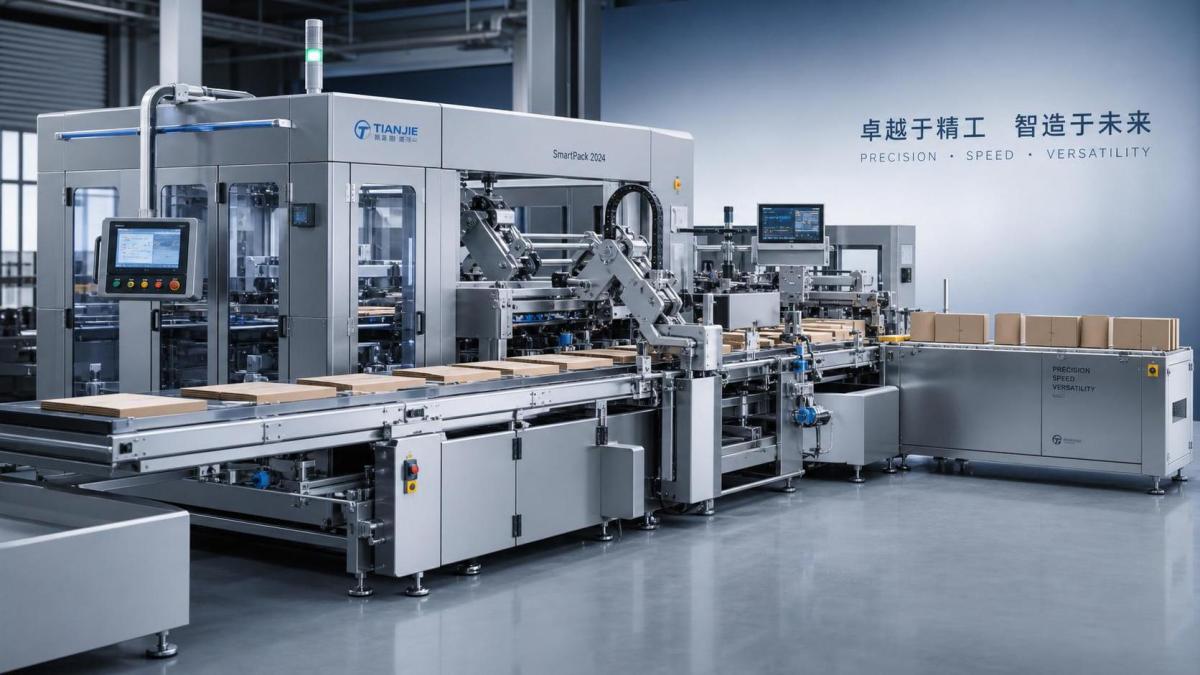
Choosing a packaging equipment specifications manufacturer is rarely about headline speed alone.
Most brochure numbers look strong.
The real question is whether those numbers stay stable under daily production pressure.
That is where technical evaluation becomes more serious.
A strong packaging equipment specifications manufacturer should present measurable data on throughput, repeatability, substrate range, changeover efficiency, and maintenance behavior.
Without that, specification sheets become marketing documents, not engineering tools.
In practical sourcing, the best decision comes from linking machine parameters to actual carton, box, label, or board production conditions.
That includes raw material variability, order mix, labor capability, and downstream quality targets.
For a portal like PWFS, this matters across corrugated lines, offset presses, die-cutters, folder gluers, and related converting systems.
The most useful evaluation framework is simple: ask which parameters directly change output, waste, compliance, or total cost.
Start With Output Parameters That Reflect Real Production
Speed is the first number every packaging equipment specifications manufacturer highlights.
Still, maximum speed is often the least reliable decision metric.
A better metric is sustainable production speed at target quality.
Ask for rated speed under normal board grade, common box style, and acceptable reject rate.
For corrugated and carton systems, three output indicators matter most:
- Net production speed, not empty-run speed
- Hourly good output after defects are removed
- OEE trend across a full shift
A capable packaging equipment specifications manufacturer should provide these figures with test conditions clearly defined.
This is especially important for buyers handling mixed runs, short lead times, and frequent job switching.
From recent market shifts, this is becoming more obvious.
E-commerce volume is rising, but order structures are fragmenting.
That means technical teams must evaluate output under instability, not only at full-line ideal conditions.
Precision Parameters Often Decide Profit Faster Than Speed
In high-value packaging, precision failures destroy margin quietly.
They create rework, customer complaints, and unstable downstream assembly.
Any packaging equipment specifications manufacturer worth shortlisting should disclose repeatable tolerance data.
Key precision parameters include:
- Print registration accuracy
- Die-cut positioning accuracy
- Slotting and creasing repeatability
- Glue line placement tolerance
- Sheet feeding deviation over long runs
For offset and litho-laminated work, micron-level registration is not a luxury.
It directly affects shelf appeal and color consistency.
For die-cut folding cartons, blank geometry consistency is just as important.
Small deviations can create major issues in auto-packing lines.
A packaging equipment specifications manufacturer should also explain how precision is maintained at higher speeds.
Servo quality, frame rigidity, vacuum stability, thermal control, and motion synchronization all matter here.
If tolerance data is only shown for low-speed testing, treat it carefully.
Material Range and Process Window Reveal Real Flexibility
Many projects fail because the selected machine fits today’s main order, but not next year’s mix.
That is why substrate range deserves close attention.
A strong packaging equipment specifications manufacturer should define supported material conditions in detail.
Review these parameters carefully:
- Board grade and flute profile compatibility
- Sheet thickness and caliper range
- Moisture tolerance window
- Warped sheet handling ability
- Ink, coating, glue, and film compatibility
This also affects food, pharma, cosmetics, and premium retail packaging compliance paths.
In those segments, the process window is often narrower than expected.
A packaging equipment specifications manufacturer should identify which performance values change when substrate conditions move away from ideal.
That includes speed reduction, reject rate increase, or adhesive limitations.
In real operations, flexibility is not a slogan.
It is the documented ability to stay productive across unstable inputs.
Changeover, Automation, and Data Integration Now Carry More Weight
Shorter runs have changed the value of packaging equipment specifications manufacturer comparisons.
A machine that saves fifteen minutes per job can outperform a faster line over the full week.
This makes setup and automation parameters central to evaluation.
Look for measurable setup indicators:
- Average job changeover time
- Recipe storage and recall capability
- Automatic register adjustment functions
- Tooling swap complexity
- Waste generated during startup
A modern packaging equipment specifications manufacturer should also be transparent about digital interfaces.
MES connection, production reporting, barcode job loading, remote diagnostics, and alarm traceability are no longer optional in many plants.
For PWFS readers, this is a familiar pattern across both paper and wood systems.
The stronger signal is not automation on paper, but automation that reduces operator dependence.
That directly lowers training pressure and improves quality consistency between shifts.
Reliability, Maintenance, and Energy Data Separate Good From Expensive
The most overlooked parameter set is often lifecycle behavior.
A packaging equipment specifications manufacturer may offer attractive speed and accuracy, yet still create long-term operating pain.
Ask for evidence around these points:
- Mean time between failures
- Critical spare part lead time
- Preventive maintenance intervals
- Lubrication and cleaning workload
- Compressed air, steam, and power consumption
Energy consumption matters more now because utility volatility directly changes conversion cost.
This is especially relevant for high-speed corrugation, drying, heating, and gluing processes.
A credible packaging equipment specifications manufacturer should provide consumption data per production condition, not one isolated best-case value.
Service structure also matters.
Local support, remote troubleshooting speed, and software update discipline can determine whether downtime lasts hours or days.
A Practical Comparison Framework for Supplier Screening
When comparing suppliers, keep the scoring method operational.
Do not let a packaging equipment specifications manufacturer control the evaluation logic.
Use a parameter sheet that links machine claims to business impact.
This method keeps the conversation grounded.
It also exposes weak supplier claims very quickly.
If a packaging equipment specifications manufacturer cannot define test conditions, service boundaries, or parameter drift, risk is already visible.
What Should Matter Most in the Final Decision
The answer depends on product mix, compliance level, and order volatility.
Still, some priorities are consistent.
A dependable packaging equipment specifications manufacturer should prove five things clearly.
- The machine achieves stable good output, not just peak speed.
- Precision remains within tolerance at production pace.
- The material window matches present and near-future demand.
- Automation reduces setup loss and operator dependence.
- Maintenance, energy, and service support are predictable.
That is the practical center of supplier evaluation.
For teams tracking packaging technology through PWFS, the larger pattern is clear.
The best packaging equipment specifications manufacturer is not the one with the loudest catalog.
It is the one whose parameters stay truthful when exposed to real production complexity.
Use that standard when screening proposals, requesting trials, and building technical scorecards. It will shorten decisions and reduce expensive surprises later.
Related News
Get weekly intelligence in your inbox.
No noise. No sponsored content. Pure intelligence.
