
Industrial Printing Solutions for Paperboard: How to Choose for Speed, Print Quality, and SKU Mix
Industrial Printing Solutions for Paperboard: How to Choose for Speed, Print Quality, and SKU Mix
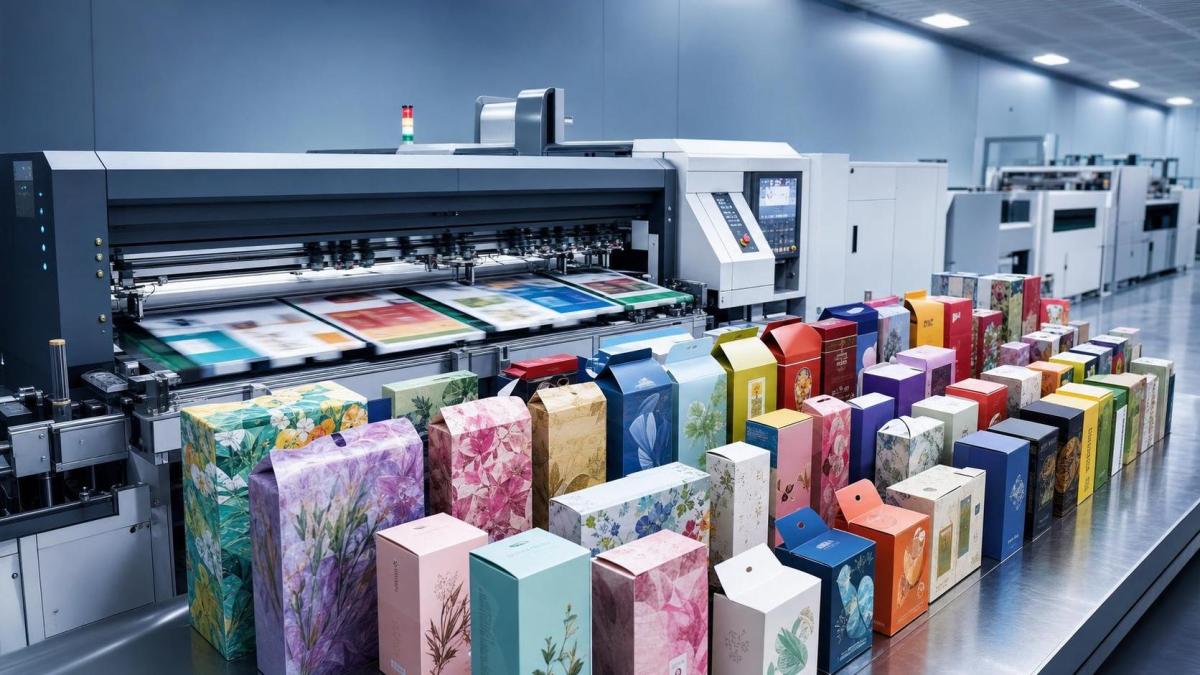
Choosing industrial printing solutions for paperboard is rarely a simple equipment comparison.
Speed matters, but speed without control often creates waste, rework, and unstable delivery.
Print quality matters too, especially when packaging must support brand value on crowded shelves.
Then there is SKU mix.
That is where many paperboard operations feel real pressure today.
Shorter runs, more versions, frequent artwork changes, and tighter delivery windows reshape equipment priorities.
In practical terms, the best industrial printing solutions for paperboard must balance throughput, consistency, setup efficiency, and substrate flexibility.
That balance looks different for folding cartons, laminated paperboard, premium retail packs, and transit-ready packaging.
A strong evaluation starts by linking machine capability to production reality, not brochure numbers.
Start With the Three Core Decision Drivers
Most decisions around industrial printing solutions for paperboard come down to three variables.
They are production speed, print quality, and SKU complexity.
These variables interact constantly.
A line optimized for long, stable runs may struggle when version changes happen every hour.
A press built for premium graphics may underdeliver if uptime and board handling are weak.
- Speed: achievable output at target quality, not headline mechanical speed.
- Print quality: color accuracy, registration stability, dot control, and visual consistency.
- SKU mix: job change frequency, version count, lot size, and workflow responsiveness.
The right industrial printing solutions for paperboard make tradeoffs explicit early.
That prevents overbuying on image quality or underbuying on flexibility.
Match the Printing Platform to the Production Profile
Not all industrial printing solutions for paperboard solve the same manufacturing problem.
Offset printing remains strong where image fidelity, fine text, and color repeatability are non-negotiable.
It is often the benchmark for premium carton graphics and high-volume repeat work.
Digital printing becomes more attractive when SKU count rises and run length drops.
It reduces plate dependency and improves changeover responsiveness.
Hybrid setups are gaining ground for plants that need both productivity and version agility.
From a selection viewpoint, the key question is simple.
Where does the plant lose the most money today?
- If waste during makeready is high, setup automation deserves attention.
- If premium cartons face brand complaints, color control becomes the priority.
- If order fragmentation is rising, short-run economics matter more.
This is why industrial printing solutions for paperboard should be assessed against real job history.
The past twelve months usually reveal the truth better than any future forecast.
How to Evaluate Speed Beyond Sheets Per Hour
Raw speed is easy to advertise.
Usable speed is harder and more important.
When comparing industrial printing solutions for paperboard, focus on net output per shift.
That means output after makeready, substrate adjustment, wash-ups, inspection holds, and minor stoppages.
A faster press with unstable feeding can easily lose to a slower, better-controlled platform.
Ask suppliers for evidence on these operating points:
- Average makeready time by job type.
- Time to stable sellable color.
- Throughput on heavier and lighter paperboard grades.
- Performance at frequent changeovers.
- Waste percentage during startup and restarts.
This approach makes industrial printing solutions for paperboard easier to compare on commercial value, not just engineering headlines.
Print Quality Means More Than a Good Sample
A handpicked sample tells very little.
The real test is whether industrial printing solutions for paperboard can hold quality over time and across shifts.
For technical selection, several factors deserve close review.
- Registration stability at production speed.
- Color consistency from first sheet to last sheet.
- Ink behavior on coated, uncoated, and recycled paperboard.
- Fine line, barcode, and small text reproduction.
- Drying or curing performance before downstream converting.
This becomes even more important for food, pharma, cosmetics, and high-visibility retail packaging.
Those sectors expect visual accuracy and process discipline.
In many plants, better print quality also reduces downstream trouble.
Cleaner laydown and stable registration support easier die-cutting, gluing, and inspection.
That is a practical reason industrial printing solutions for paperboard should never be judged in isolation.
SKU Mix Is Now a Primary Selection Factor
Recent market changes make SKU mix impossible to treat as a side issue.
Brand owners want more versions, localized packs, seasonal launches, and smaller inventory risk.
That changes what good industrial printing solutions for paperboard look like.
Flexibility starts to matter almost as much as pure throughput.
A plant with many short jobs needs fast job recall, automated settings, and reliable digital workflow integration.
The press should move cleanly from one version to the next.
In real operations, SKU complexity exposes hidden weaknesses quickly.
Manual presetting, unstable color recovery, and inconsistent feeder behavior all become expensive.
This is where advanced industrial printing solutions for paperboard can create measurable gains.
They shorten the time between jobs and protect margin on fragmented order books.
Key Technical Checks Before You Shortlist
Shortlisting industrial printing solutions for paperboard should include a disciplined technical checklist.
These checks help separate attractive demos from dependable industrial printing solutions for paperboard.
Common Selection Risks and How to Avoid Them
Several mistakes appear again and again in paperboard equipment projects.
The first is buying for peak speed while ignoring daily job volatility.
The second is judging industrial printing solutions for paperboard from ideal test files only.
The third is underestimating integration with die-cutting, folding, gluing, and plant software.
To reduce risk, ask suppliers to print jobs that reflect actual production conditions.
- Use mixed substrate samples.
- Include repeat jobs and first-time jobs.
- Measure waste, not only visual quality.
- Review operator workload during changes.
That process gives a more realistic picture of which industrial printing solutions for paperboard fit the plant.
A Practical Way to Reach the Right Decision
A practical decision framework keeps the evaluation grounded.
- Map current jobs by run length, board type, and version count.
- Rank pain points by lost hours, waste cost, and missed delivery risk.
- Compare industrial printing solutions for paperboard against those real constraints.
- Validate with live trials using normal operators and realistic schedules.
- Model total value over uptime, labor, waste, and future SKU growth.
The best outcome is not simply the highest-spec press.
It is the system that produces sellable paperboard packaging efficiently, consistently, and flexibly.
When industrial printing solutions for paperboard are chosen this way, speed, print quality, and SKU mix stop competing.
They start working together as part of a stronger production model.
That is usually the clearest sign the selection process is on the right track.
Related News
Get weekly intelligence in your inbox.
No noise. No sponsored content. Pure intelligence.
