
How to Evaluate Packaging Automation Systems for Folding Cartons by Throughput and Changeover Needs
Selecting the right packaging automation systems for folding cartons is usually not a speed contest. Technical evaluators need to know whether a line can hold real throughput under the carton mix they actually run, and how quickly it can recover when formats change. The best system is the one that stays productive across shifts, SKUs, and finishing demands without turning changeovers into hidden downtime.
For most plants, the decision comes down to three questions: how much output is truly sustainable, how often the line must switch jobs, and how much labor or scrap those switches consume. Throughput matters, but only when it is measured against uptime, feeding stability, carton complexity, and downstream integration. A system that looks fast on paper can underperform if its changeover workflow is slow or fragile.
This article focuses on the criteria that matter to technical reviewers, production engineers, and operations teams evaluating packaging automation systems for folding cartons. It separates vendor claims from operating reality, so you can judge performance in the context of your product mix, planned run lengths, and ROI expectations.
What technical evaluators should measure first
The first step is to define real throughput, not brochure throughput. Ask how many good cartons per minute the system can sustain over a full shift, after warm-up, stoppages, and quality rejects are included.
Then map that number to your actual order profile. A line optimized for long pharmaceutical runs may look strong in one scenario but lose value when you process frequent cosmetic or specialty packaging changeovers.
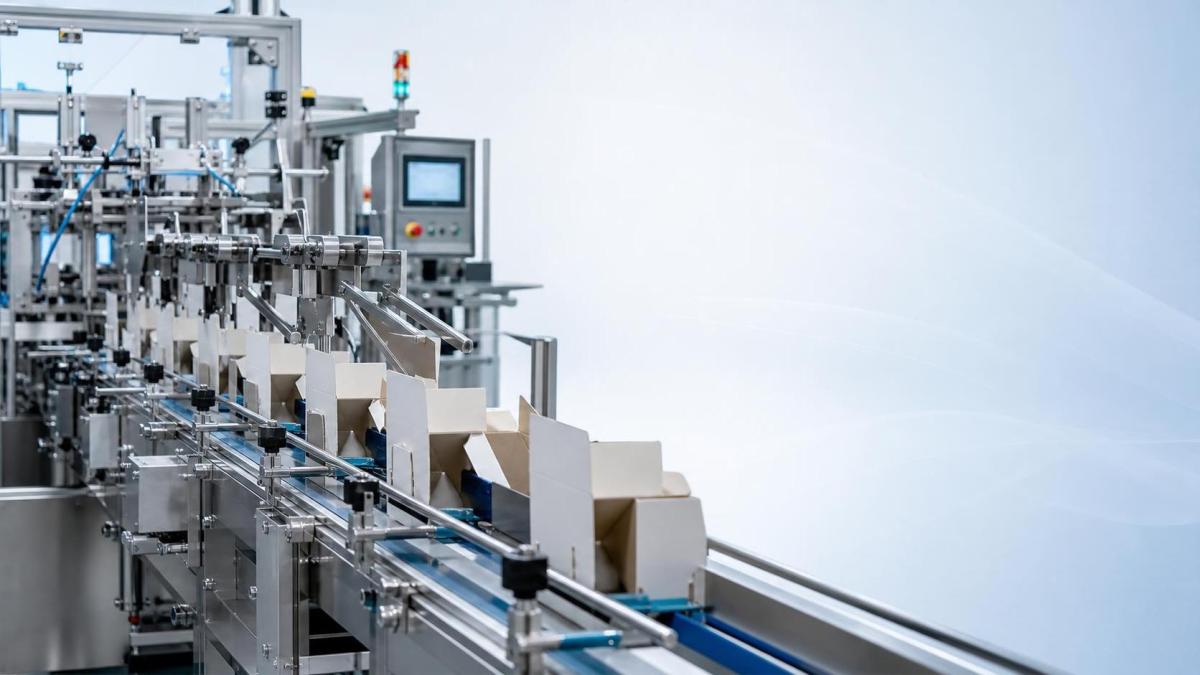
For folding cartons, throughput should be evaluated alongside carton size range, board grade sensitivity, glue behavior, and the stability of feeding, folding, and inspection. A fast machine that cannot maintain registration or glue accuracy is not high-performing in practice.
Why throughput numbers can be misleading
Many suppliers advertise peak speed, but peak speed is not the same as dependable production output. Evaluators should compare nameplate speed with sustained run speed, because the gap often reveals the real cost of variability.
Watch for bottlenecks in feeding, flap folding, transfer timing, rejection handling, and case packing interfaces. A bottleneck in any one station can pull down the entire line and reduce effective hourly output.
Also test how the system behaves under mixed carton geometries. Small format changes, heavier board, or tighter tolerances can lower line stability long before the nominal speed limit is reached.
How changeover time affects total line value
Changeover time is often the hidden variable that determines whether automation pays back. If your plant runs many short jobs, a system with excellent peak throughput but slow format changeover may deliver weaker annual output than a slightly slower, more flexible line.
Evaluate what must actually be reset between jobs: guides, tooling, software recipes, glue settings, inspection parameters, and operator verification steps. The shorter and more repeatable these steps are, the less production time is lost.
Technical teams should also check whether changeover requires specialist skill. A line that depends on one senior mechanic for every major adjustment is more fragile than one with guided setup, stored job recipes, and clear error prompts.
What to test during factory acceptance or pilot runs
The most useful acceptance test is a real job sequence, not a demo on a single easy SKU. Include at least one long run, one short run, and one difficult format change to see how the system behaves under routine pressure.
Measure first-pass yield, average restart time after adjustment, and the number of cartons lost during setup. These figures tell you far more about operational value than a short showroom speed test.
It is also worth observing operator workload. If the line requires constant manual correction, throughput will degrade over time and maintenance cost will rise even if the machine is technically advanced.
Where automation creates the most value
The strongest business case usually appears where labor is tight, SKU count is high, and quality requirements are strict. In those settings, automation reduces inconsistency while giving planners more predictable output.
Packaging automation systems for folding cartons also create value when they protect downstream flow. Stable carton delivery reduces interruption for packing, inspection, and palletizing, which helps the entire line perform as one system instead of isolated machines.
For high-mix operations, flexibility can matter more than raw speed. If changeovers are frequent, the winning system is often the one that preserves uptime, not the one that posts the largest maximum rate on a spec sheet.
Key questions to ask vendors
Ask for sustained throughput data by carton type, not just maximum machine speed. Request examples from production environments that match your board grades, glue requirements, and target formats.
Ask how long a typical changeover takes, who can perform it, and what parts or software steps are involved. If the answer is vague, the real downtime risk is probably higher than the proposal suggests.
Finally, ask how the system handles rejects, alarms, and recovery. Fast lines are only useful when they recover quickly and keep quality losses low.
How to choose the right system for your operation
The right decision starts with your run profile. If you run long, stable jobs, prioritize sustained throughput, uptime, and integration with upstream and downstream equipment.
If you run frequent short jobs, prioritize changeover speed, recipe management, and operator simplicity. In that case, flexibility and repeatability may create more value than top-end speed.
When comparing packaging automation systems for folding cartons, rank each candidate by actual production output, changeover burden, and quality consistency. That approach produces a clearer picture of total cost and makes the ROI discussion far more defensible.
In the end, the best system is not defined by a single speed figure. It is defined by how well it supports your mix of cartons, your labor model, and your throughput targets without turning changeovers into lost capacity.
Related News
Get weekly intelligence in your inbox.
No noise. No sponsored content. Pure intelligence.
