
How to Evaluate an Industrial Corrugated Board Lines Manufacturer for Capacity and Uptime
How to Evaluate an Industrial Corrugated Board Lines Manufacturer for Capacity and Uptime
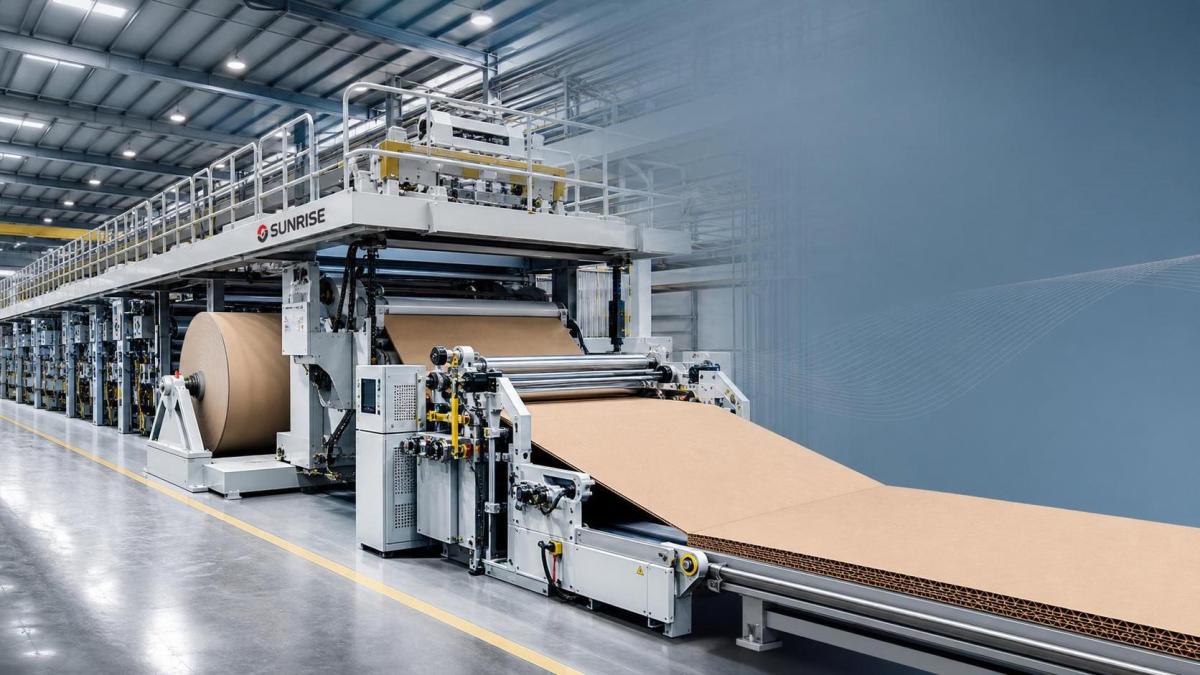
Choosing an industrial corrugated board lines manufacturer is rarely just a technical purchase. It is a production risk decision, a service decision, and a margin decision.
A line may look impressive on paper. Real value shows up in stable output, low waste, fast recovery, and predictable uptime across changing order mixes.
That is why a strong evaluation process matters. It helps separate polished presentations from actual manufacturing capability and after-sales execution.
In practical terms, the best industrial corrugated board lines manufacturer should support capacity growth, operating consistency, and long-term return on capital.
This guide breaks down the factors that matter most when comparing suppliers for large-scale corrugated production environments.
Start with Real Capacity, Not Nameplate Speed
Many buyers begin with top speed. That is useful, but it is not enough when evaluating an industrial corrugated board lines manufacturer.
Nameplate speed shows theoretical output under ideal conditions. Your business runs on actual throughput across flute changes, paper grades, shift turnover, and maintenance windows.
Ask each supplier for documented output data under mixed production conditions. Focus on board types, width range, adhesive performance, and average run length.
A capable industrial corrugated board lines manufacturer should explain where speed drops happen and how the line recovers after recipe changes or short runs.
Useful questions include:
- What is the sustained output for your main board mix, not the test-speed maximum?
- How much output is lost during grade changes, splice events, and glue adjustments?
- What board quality level is maintained at higher operating speeds?
- How does steam, temperature, and moisture control affect stable production?
The stronger signal is not the highest speed claim. It is repeatable throughput with acceptable warp control, bonding strength, and board flatness.
Evaluate Uptime Through Design and Field Evidence
Uptime is where supplier quality becomes visible. A line that stops often will erase any advantage promised by a lower purchase price.
When reviewing an industrial corrugated board lines manufacturer, look beyond warranty language. Study machine architecture, component sourcing, and service records.
Critical assemblies deserve close attention. That includes corrugating rolls, preheaters, glue units, drive systems, steam systems, cut-off sections, and control cabinets.
Ask for failure mode data if available. If a supplier cannot share exact statistics, request maintenance intervals and common downtime causes from installed lines.
Field references are essential. Speak with plants that run similar paper profiles, order structures, and shift intensity.
Look for evidence in these areas:
- Mean time between failures on major sections.
- Average time to diagnose and restore production.
- Availability of standard spare parts locally.
- Remote support response speed during live production issues.
A dependable industrial corrugated board lines manufacturer will discuss downtime openly. That transparency usually indicates operational maturity, not weakness.
Check Whether Automation Improves Recovery Time
Automation should reduce variability, not add complexity that only experts can manage. This point is often missed during supplier comparison.
A modern industrial corrugated board lines manufacturer should show how automation supports faster setup, steadier quality, and quicker return after interruptions.
Review recipe management, automatic order change capability, tension control, temperature monitoring, glue dosing, and diagnostic dashboards.
More importantly, ask how operators interact with the system during abnormal situations. Elegant software matters less than usable recovery logic during pressure.
This is where plant visits help. Watch how quickly the crew handles a paper splice issue, board warp drift, or a recipe switch.
Good automation reduces dependence on a few highly experienced operators. That matters even more when labor availability becomes uneven.
Assess Service Depth Before You Sign
Service strength is often the difference between acceptable uptime and chronic disruption. It should be a major part of any manufacturer evaluation.
An industrial corrugated board lines manufacturer should provide more than installation support. You need lifecycle coverage.
That includes commissioning, operator training, preventive maintenance plans, spare parts planning, remote diagnostics, and upgrade pathways.
From recent market shifts, service continuity has become a stronger buying factor. Global logistics delays and component shortages exposed weak support models quickly.
Use a simple checklist when comparing suppliers:
- Local or regional service presence
- Guaranteed response times
- Critical spare parts stocking policy
- Training depth for operators and maintenance teams
- Digital support tools and alarm history access
A credible industrial corrugated board lines manufacturer can explain how support works at 2 a.m., not only during a planned factory visit.
Compare Operating Economics, Not Just Capital Cost
A lower machine price can become an expensive decision if waste, energy use, and unplanned stops remain high.
The right industrial corrugated board lines manufacturer should help quantify total operating economics over several years.
Measure adhesive consumption, steam efficiency, paper utilization, labor requirement, maintenance cost, and scrap rates during startup and steady production.
Also compare how well the line handles increasing customization. Shorter runs and more SKU variation can expose hidden inefficiencies very quickly.
In many plants, profitability depends less on maximum speed and more on consistent output across varied order patterns.
Use a Structured Supplier Scoring Model
A structured scorecard keeps evaluation grounded. It also makes cross-functional decisions easier when operations, engineering, procurement, and finance view risk differently.
Rate each industrial corrugated board lines manufacturer across weighted categories rather than relying on general impressions.
A practical model may include capacity, uptime history, automation usability, service depth, operating cost, installation references, and expansion flexibility.
Keep the scoring evidence-based. Every score should be tied to plant visits, reference interviews, test runs, or documented line performance.
This also helps during negotiation. Once a gap is visible, you can ask for service guarantees, spare parts commitments, or technical modifications before contract signing.
Final Decision: Choose Resilience, Not Just Equipment
The best industrial corrugated board lines manufacturer is not simply the one with the fastest brochure numbers or the lowest entry price.
It is the supplier that proves stable throughput, fast recovery, reliable support, and sound economics under your actual production conditions.
For companies navigating e-commerce packaging growth, tighter delivery windows, and more variable order structures, resilience matters more than sales language.
A disciplined review process turns manufacturer selection into a measurable business decision. That reduces commissioning surprises and protects long-term output.
Before making a final shortlist, request live performance evidence, speak with installed users, and pressure-test each service model against real downtime scenarios.
That is usually where the right industrial corrugated board lines manufacturer becomes clear.
Related News
Get weekly intelligence in your inbox.
No noise. No sponsored content. Pure intelligence.
