
Automated Packaging Machinery Selection Guide: Throughput, Changeover, and Labor Needs
Automated Packaging Machinery Selection Guide: Throughput, Changeover, and Labor Needs
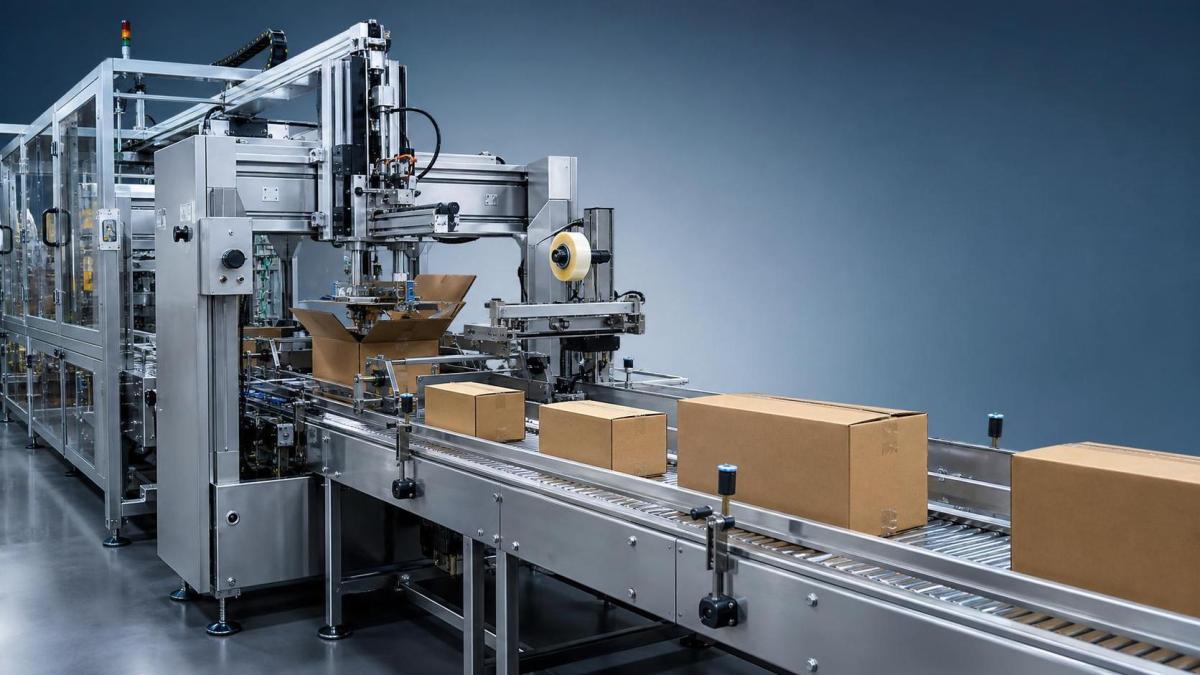
Choosing automated packaging machinery is not just about speed.
It is about matching throughput, changeover demands, and labor availability to real production targets.
A fast line that sits idle during frequent product swaps will not deliver value.
A lower-speed system with stable uptime may outperform it over a full shift.
That is why automated packaging machinery selection should start with operating reality, not brochure headlines.
In practical terms, the best decision improves output, protects quality, and reduces labor pressure without creating hidden bottlenecks upstream or downstream.
This guide focuses on the three factors that most often decide success: throughput, changeover, and labor needs.
Start with Throughput That Reflects Real Output
Throughput is usually the first filter in automated packaging machinery evaluation.
Still, rated speed alone can be misleading.
Suppliers often present maximum cycles per minute under ideal material, stable product sizes, and experienced operators.
Actual output depends on stoppages, material handling, pack pattern variation, and inspection requirements.
A better metric is sustained hourly output across a normal production mix.
This gives a more realistic basis for comparing automated packaging machinery options.
From recent market changes, one clear signal stands out.
Mixed-SKU production is increasing in both packaging and furniture-related supply chains.
That means throughput must be measured under flexible production conditions.
Key throughput questions
- What is the verified output per hour on your actual package sizes?
- How much speed is lost during material replenishment and quality checks?
- Can upstream printing, die-cutting, or cartoning equipment feed the line consistently?
- Will downstream palletizing or warehousing limit the value of higher speed?
The strongest automated packaging machinery investment usually fits the slowest critical point in the line, then removes it with the lowest operational risk.
Why Changeover Often Decides ROI Faster Than Peak Speed
In many factories, changeover time has a bigger financial impact than peak speed.
This is especially true when orders are shorter and customization is rising.
Automated packaging machinery that supports tool-less adjustments, recipe storage, and guided setup can recover hours every week.
That recovered time becomes usable capacity without adding floor space.
More importantly, faster changeover reduces operator dependence.
That matters when experienced setup personnel are hard to retain.
In actual operations, changeover should include more than mechanical adjustment time.
It should also include first-pass quality approval, label updates, material staging, and restart stabilization.
Look for these features
- Servo-driven adjustment points with digital position recall
- Stored job recipes for repeat orders
- HMI-guided setup steps with fault prompts
- Automatic size change components where product range justifies them
- Quick-release tooling for formats that still require manual change parts
When evaluating automated packaging machinery, ask for a changeover demonstration using two very different SKUs.
That reveals far more than a polished speed test on one standard format.
Labor Needs Should Be Calculated Beyond Headcount
Labor analysis often starts with direct operator reduction.
That is useful, but it is too narrow for sound automated packaging machinery selection.
The real question is how the equipment changes skill requirements, training time, supervision load, and maintenance support.
A highly advanced machine may reduce operators on paper, yet increase downtime if technical support is limited.
On the other hand, user-friendly automated packaging machinery can stabilize performance even with newer teams.
This is becoming more important across packaging, printing, and woodworking-linked factories facing labor shortages.
Assess labor in four layers
- Operators per shift
- Skill level needed for setup and recovery
- Maintenance capability required on-site
- Training burden during ramp-up and product expansion
This also means procurement decisions should involve production, maintenance, and planning together.
A machine that looks efficient in isolation may be difficult to support across three shifts.
Match the Machinery to Product Mix and Material Reality
Automated packaging machinery should always be tested against actual product and material variation.
That includes board stiffness, print finish, carton dimensions, bundle stability, and sealing method.
A line that handles one packaging style beautifully may struggle with another.
This becomes even more relevant when suppliers serve both e-commerce packaging and premium printed box applications.
Material behavior affects speed, reject rates, and machine wear.
As a result, product mix should guide equipment architecture from the beginning.
The more diverse the order profile, the more valuable flexible automated packaging machinery becomes.
Compare Total Cost, Not Just Purchase Price
Price comparison is necessary, but it should never stand alone.
The real value of automated packaging machinery comes from total operating impact.
That includes uptime, spare parts, changeover savings, labor efficiency, reject reduction, and service responsiveness.
A lower-cost machine with frequent stops can become the expensive option very quickly.
Likewise, overbuying capacity that will remain unused ties up capital without solving current constraints.
Build the business case around these items
- Expected OEE after ramp-up
- Average weekly changeover hours saved
- Reduction in direct and indirect labor load
- Scrap and rework improvement
- Service coverage and parts lead time
- Future fit for new SKUs and digital integration
For many operations, the smartest automated packaging machinery choice is the one that keeps options open while improving daily stability now.
A Practical Shortlist for Final Decision-Making
Before approval, narrow every automated packaging machinery option through a simple decision checklist.
- Confirm sustained throughput on representative products.
- Measure full changeover time between unlike SKUs.
- Review labor needs by skill, not only headcount.
- Check material compatibility under real shop conditions.
- Validate digital integration, service support, and spare availability.
- Model ROI using realistic uptime and order-mix assumptions.
This process creates a cleaner comparison and reduces the risk of buying based on a single impressive specification.
In sectors shaped by e-commerce growth, premium printed packaging demand, and flexible manufacturing, selection discipline matters more than ever.
Automated packaging machinery should support the flow of the whole operation, not just one isolated station.
The strongest decision usually comes from balancing speed, flexibility, and workforce reality in equal measure.
When those three align, automated packaging machinery becomes a durable operational advantage instead of a short-lived capacity upgrade.
Related News
Get weekly intelligence in your inbox.
No noise. No sponsored content. Pure intelligence.
