
How to Choose Die Cutters for Carton Plants: Key Specs, Output, and Waste Control
How to Choose Die Cutters for Carton Plants: Key Specs, Output, and Waste Control
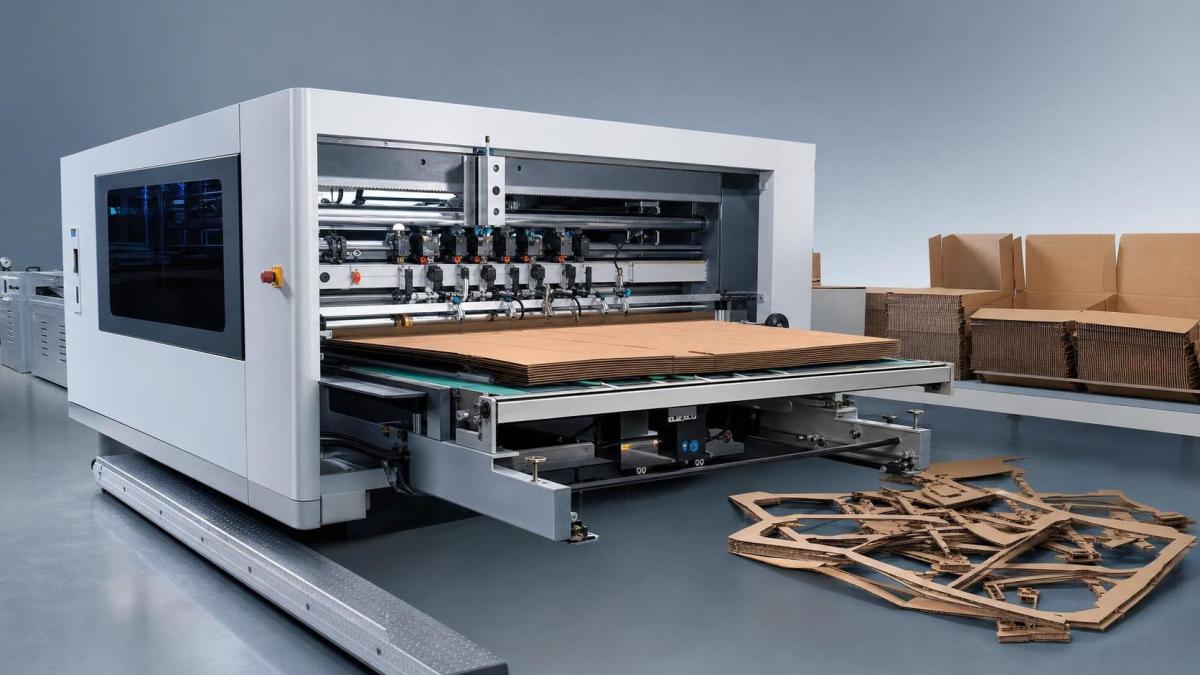
Choosing the right die cutters for carton plants shapes output, blank quality, and waste cost at the same time.
A faster machine does not always deliver better economics.
In real production, performance depends on board range, feeding stability, cutting accuracy, stripping efficiency, and setup repeatability.
That is why die cutters for carton plants should be evaluated as complete production assets, not isolated speed figures.
This guide breaks down the key selection points that matter most when capacity targets and waste control both matter.
Start with the Carton Mix, Not the Machine Catalog
The first question is simple: what boxes actually run through the plant every day?
Die cutters for carton plants must fit the real product mix, including flute types, sheet sizes, print coverage, and order variation.
A plant focused on regular slotted cartons needs a different machine profile than one producing shelf-ready displays or retail-ready packs.
From recent market shifts, shorter runs and more SKU changes are becoming more common.
That also means setup time and changeover loss now deserve equal weight with top speed.
- Board grades: single wall, double wall, kraft-heavy, coated, or recycled.
- Blank styles: standard transit boxes, e-commerce packs, trays, or promotional structures.
- Order profile: long runs, mixed batches, or frequent urgent jobs.
- Downstream link: manual packing, folder gluer, or robotic case packing.
When this production map is clear, comparing die cutters for carton plants becomes much more objective.
Key Specs That Directly Affect Output
Machine specifications matter, but only the right ones should drive the shortlist.
For die cutters for carton plants, output is influenced by more than stated sheets per hour.
1. Maximum and Minimum Sheet Size
The size window must match current orders and leave room for future packaging formats.
A machine that struggles with small sheets or oversized sheets will create bottlenecks immediately.
2. Board Thickness and Flute Compatibility
Not all die cutters for carton plants handle delicate E flute and heavier BC flute equally well.
Ask for proven board range under stable production, not only lab conditions.
3. Effective Running Speed
Rated speed is useful, but sustained speed is what pays back the investment.
A machine running slower with fewer stops may outperform a faster machine over a full shift.
4. Register Accuracy and Cutting Precision
This is critical for printed cartons, retail graphics, and tight folding structures.
Poor registration increases rejects, rework, and downstream glue-line problems.
5. Feeding and Delivery Stability
Feeder consistency often separates smooth output from constant operator intervention.
Look closely at suction design, sheet separation, anti-skew controls, and delivery stack quality.
Waste Control Starts Before the First Sheet Runs
Waste is usually treated as an operator issue, but the machine choice often sets the baseline.
The best die cutters for carton plants reduce waste through stable mechanics and easier process control.
Make-ready Loss
Long setup creates hidden waste in board, labor, and schedule confidence.
Quick-lock systems, memory settings, and repeat-job presets can materially reduce startup scrap.
Stripping Quality
Poor stripping leaves nicks, hanging waste, and unstable blank edges.
For die cutters for carton plants, stripping performance is especially important on complex carton geometries.
Creasing Consistency
An acceptable cut is not enough if the crease line breaks or folds poorly later.
Bad creasing creates waste downstream at folding, gluing, and packing stages.
Tooling Life and Repeatability
Stable pressure and machine rigidity help tooling last longer and perform more consistently.
That lowers both spare parts consumption and reject volatility across repeat orders.
Manual, Semi-Automatic, or Fully Automatic?
Automation level should match labor cost, order complexity, and planned growth.
Buying more automation than the plant can use creates slow payback.
Buying too little limits expansion and keeps waste stubbornly high.
For many growing operations, semi-automatic or fully automatic die cutters for carton plants offer the best balance.
Questions That Reveal the Real Machine Value
Supplier presentations usually highlight speed, frame strength, and automation features.
The better signal comes from operating details and service facts.
- What is the average setup time for repeat jobs and new jobs?
- What waste percentage is typical by board type and carton format?
- How does the machine perform on warped sheets or recycled board variation?
- Which components wear fastest, and what is the replacement interval?
- Is local technical support available, and how fast is the response?
- Can the line connect with prefeeders, stripping units, or folder gluers later?
These questions help compare die cutters for carton plants on practical cost, not brochure language.
Think in Total Cost, Not Purchase Price
A lower upfront price can become a more expensive choice within a year.
That is especially true when unplanned downtime or high waste affects customer delivery.
When evaluating die cutters for carton plants, total cost should include several layers.
- Capital cost and installation.
- Tooling cost and tooling change frequency.
- Board waste during setup and production.
- Labor input per shift.
- Energy use and compressed air demand.
- Maintenance cost and spare part availability.
- Downtime risk and service response time.
This wider view usually makes the decision clearer, especially where output targets are rising.
A Practical Selection Framework
A structured comparison reduces bias and speeds up approval.
For die cutters for carton plants, a simple weighted review often works best.
- Production fit: board range, size range, and carton complexity.
- Output fit: actual speed, uptime, and shift productivity.
- Quality fit: register, cut edge, crease result, and stripping reliability.
- Waste fit: setup scrap, running scrap, and repeat consistency.
- Service fit: training, parts, diagnostics, and local support.
- Expansion fit: automation upgrades and downstream integration.
A plant visit or live trial should validate the final two candidates.
Ask to run real board grades and actual carton layouts, not ideal demo samples.
Final Decision: Match Capacity with Stability
The best die cutters for carton plants are not simply the fastest or most automated models.
They are the machines that hold registration, cut consistently, change over efficiently, and control waste under daily production pressure.
In practical terms, the strongest buying decision connects board mix, output plan, labor model, and service support into one realistic picture.
That is where reliable die cutters for carton plants create measurable value over time.
Use that framework to shortlist, trial, and compare options with sharper confidence and tighter waste control.
Related News
Get weekly intelligence in your inbox.
No noise. No sponsored content. Pure intelligence.
