
Box Converting Equipment Price: What Drives Cost From Entry-Level to Inline Systems?
Box Converting Equipment Price: What Drives Cost From Entry-Level to Inline Systems?
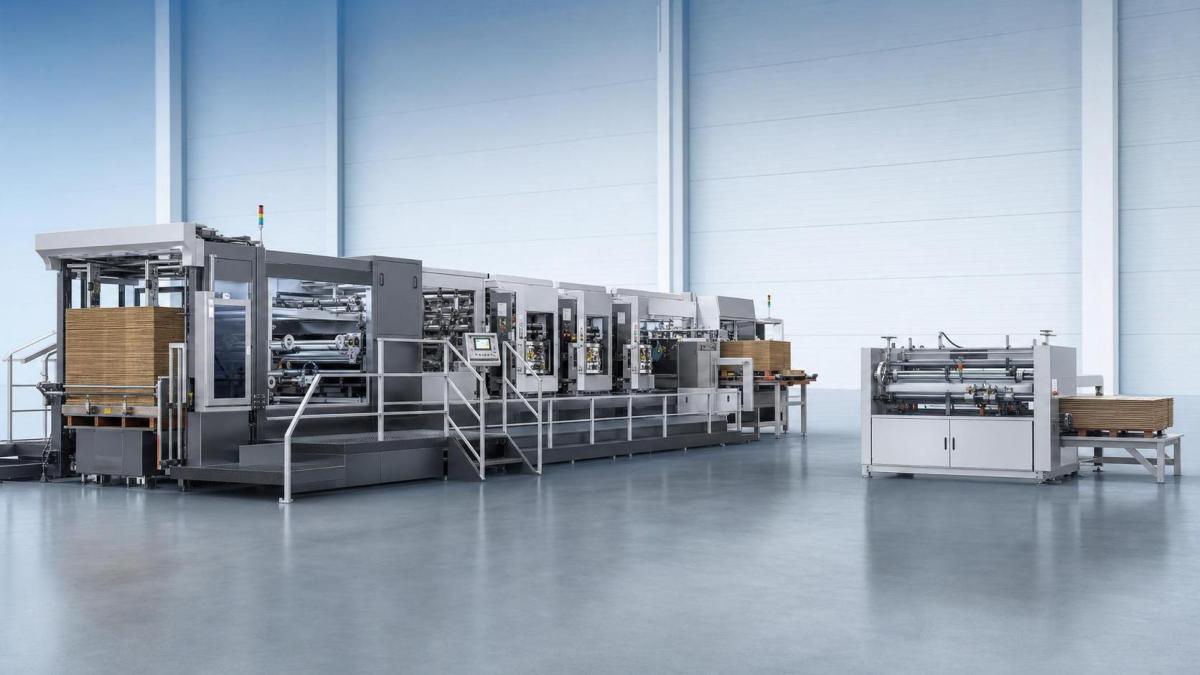
Understanding box converting equipment price starts with one simple fact.
Two machines may look similar on paper, yet their investment level can be dramatically different.
That gap usually comes from speed, automation, precision, flexibility, and the hidden costs of ownership.
In real purchasing work, buyers are rarely comparing metal and motors alone.
They are comparing throughput, labor needs, scrap rates, setup time, maintenance exposure, and future capacity.
That is why box converting equipment price should always be evaluated as a production economics question.
Entry-level machines can be attractive for budget control.
Inline systems often cost far more upfront, but they may lower unit cost at scale.
The right choice depends on order mix, plant discipline, and growth plans over the next three to five years.
Why Box Converting Equipment Price Ranges So Widely
The broadest driver is machine architecture.
A basic flexo folder gluer with manual feeding sits in a very different cost band than a servo-driven inline converting line.
The second driver is output expectation.
If the target is stable, high-volume runs with short changeovers, the price rises quickly.
A third factor is process integration.
Standalone converting machines are cheaper than lines combining printing, slotting, die-cutting, folding, gluing, bundling, and stacking.
More obvious signals include control systems, brand origin, safety configuration, and after-sales support depth.
These elements do not always show in headline quotations, but they strongly influence total box converting equipment price.
Typical Cost Bands by Equipment Level
Exact pricing varies by region and specification.
Still, the market usually clusters into recognizable layers.
- Entry-level machines: lower capital cost, simpler controls, more manual handling, and slower changeover.
- Mid-range systems: stronger automation, better repeatability, broader box styles, and more stable output.
- High-speed inline systems: highest box converting equipment price, but also the highest integration and labor efficiency.
This matters because comparing by purchase price alone creates false savings.
A cheaper machine can become expensive if it slows fulfillment or increases board waste.
The Main Factors Behind Box Converting Equipment Price
From recent buying patterns, five factors drive most pricing differences.
1. Automation Level
Manual feeding, manual setting, and manual stacking keep equipment cost lower.
But they increase labor dependency and output variability.
Servo automation, recipe storage, auto-register, and automatic order changeovers push box converting equipment price upward.
They also reduce human error and shorten nonproductive time.
2. Speed and Throughput
Higher line speed requires stronger frames, better motion control, and more stable paper handling.
That engineering cost is significant.
For factories serving e-commerce volume peaks, speed can justify a higher box converting equipment price.
For short-run specialty work, speed alone may not pay back quickly.
3. Precision and Box Quality
Tighter slotting tolerance, better print registration, and consistent folding quality raise machine complexity.
This is especially important for branded retail packaging and display-ready boxes.
When customer claims are costly, precision often matters more than initial box converting equipment price.
4. Material and Box Style Flexibility
Machines built for narrow flute ranges and basic RSC boxes usually cost less.
Systems handling multiple flute profiles, coated sheets, heavy board, and varied die-cut styles cost more.
In mixed-order plants, that flexibility can protect margins.
5. Tooling and Integration
The machine price is only one part of the investment.
Dies, print plates, anilox rolls, glue systems, bundlers, strappers, and ERP or MES interfaces add cost.
A quotation with a low headline number may exclude items essential for daily production.
Entry-Level vs Inline Systems: Where the Economics Change
Entry-level equipment usually fits startups, regional converters, or plants with moderate order complexity.
It lowers capital pressure and can support gradual market entry.
The tradeoff is lower hourly output and heavier reliance on operators.
Inline systems shift the equation.
Their box converting equipment price is higher because they compress multiple steps into one coordinated flow.
That creates measurable gains in labor productivity, floor movement, WIP reduction, and scheduling confidence.
The more stable and repetitive the order stream, the stronger the inline advantage becomes.
If order sizes are tiny and highly customized, the return may be slower.
A Practical Comparison
What Buyers Often Miss in Box Converting Equipment Price
The most common mistake is ignoring total cost of ownership.
A lower box converting equipment price can still lead to weaker ROI.
Several cost items deserve direct questioning during supplier evaluation.
- Installation and commissioning scope
- Operator training hours and language support
- Spare parts package and local availability
- Energy use, glue use, and consumable replacement cycles
- Planned maintenance intervals and remote diagnostics capability
- Warranty exclusions and response times for service calls
This is where experienced suppliers stand apart.
They explain not only what the machine can do, but what the plant must do to achieve rated output.
How to Evaluate the Right Price for Your Production Reality
A disciplined buying process reduces risk more than aggressive price negotiation alone.
Start by mapping your actual order structure.
Look at average run length, rush order frequency, flute mix, defect tolerance, and labor stability.
Then match those realities to machine capability.
- Define required output per shift, not just peak speed.
- Separate must-have functions from future options.
- Ask for sample production data on similar box formats.
- Check the full scope behind the quoted box converting equipment price.
- Model payback using labor, scrap, uptime, and order growth assumptions.
In many cases, the best decision is not the cheapest model or the most advanced line.
It is the machine whose cost structure matches demand without locking the factory into early replacement.
Final Buying View
Box converting equipment price is not a single number.
It is the combined value of throughput, consistency, flexibility, serviceability, and future readiness.
Entry-level machines make sense when capital is tight and product complexity is manageable.
Inline systems earn their place when volume, labor pressure, and delivery demands push manual workflows too far.
The practical path is to compare quotations against real plant economics, not brochure claims.
When that discipline is in place, box converting equipment price becomes easier to judge, negotiate, and justify with confidence.
Related News
Get weekly intelligence in your inbox.
No noise. No sponsored content. Pure intelligence.
