
How to Choose Die-Cutting Equipment: Key Specs, Material Range, and Output Needs
How to Choose Die-Cutting Equipment: Key Specs, Material Range, and Output Needs
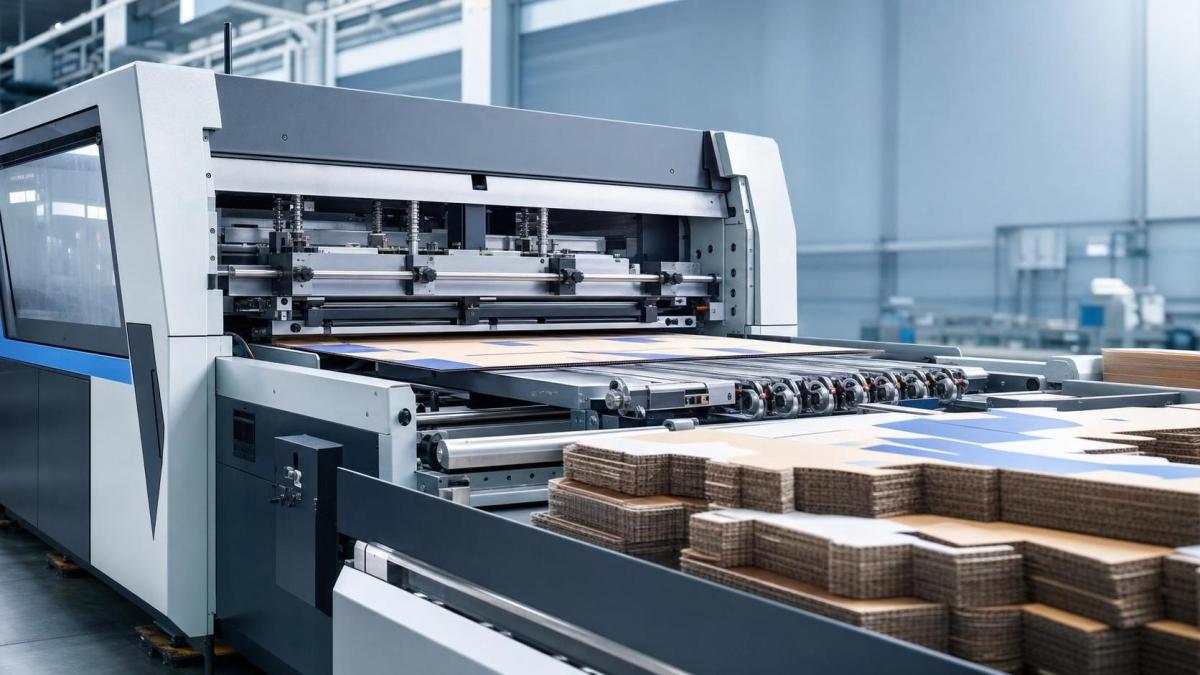
Choosing die-cutting equipment is not only about top speed. The better question is whether the machine fits daily production reality, material behavior, and future product plans.
A fast line can still create waste if pressure is unstable, registration drifts, or job changeovers take too long. That is where many investment mistakes begin.
In practical converting and packaging plants, die-cutting equipment affects uptime, labor balance, tooling life, and order flexibility. It also shapes how well upstream printing and downstream folding stay synchronized.
For that reason, equipment selection should connect machine specifications with board grade, sheet format, order mix, and output targets. A spec sheet alone never tells the full story.
This guide breaks down the main factors that matter when comparing die-cutting equipment for cartons, corrugated applications, and other industrial converting work.
Start with the Real Production Profile
The smartest selection process begins with jobs, not brochures. Before comparing brands, define what the machine must handle on an average week.
Look at current orders first. Then add expected business growth, new box structures, and possible material changes driven by sustainability or customer redesigns.
A simple internal review should answer these questions:
- What sheet sizes run most often?
- What materials dominate, such as SBS, duplex board, E-flute, B-flute, or laminated corrugated?
- How many job changes happen per shift?
- What percentage of work requires tight print-to-cut registration?
- What daily and monthly output is truly needed?
This early mapping makes later decisions much clearer. It also prevents overbuying a machine designed for a factory model you do not actually run.
Match Tonnage and Cutting Force to Material Reality
Cutting force is one of the most misunderstood die-cutting equipment specifications. More tonnage sounds safer, but excess force can waste energy and stress tooling.
The right range depends on material thickness, flute profile, sheet size, rule length, and whether the job includes deep creasing, stripping, or blanking.
For folding carton production, stable and evenly distributed pressure often matters more than headline tonnage. For heavier corrugated work, reserve force becomes more important.
Ask suppliers for pressure uniformity data, not only maximum tonnage. Uneven pressure leads to incomplete cuts, crushed flutes, poor crease quality, and rising waste.
It is also wise to confirm how quickly pressure settings can be adjusted between short runs. In mixed-order plants, setup speed directly affects useful output.
What to verify with suppliers
- Maximum cutting force under continuous production conditions
- Pressure consistency across full sheet width
- Performance with micro-flute, corrugated, and laminated materials
- Setup repeatability after die change
- Tool wear impact on pressure stability
Check the Material Range Beyond the Standard Sample
Many die-cutting equipment demonstrations look excellent on ideal stock. Real production is rarely that clean or consistent.
Material range should cover the widest mix you expect to run, including recycled board, warped sheets, coated materials, laminated structures, and seasonal material variation.
This matters even more as brands push for lighter packaging and alternative fiber mixes. New board recipes can behave very differently during cutting and creasing.
Feed reliability is the first checkpoint. If the feeder struggles with curl, static, or light stock, production speed on paper will never be reached in practice.
Then examine sheet transport, side lay accuracy, waste stripping performance, and delivery stability. Each stage influences whether the machine stays productive across mixed materials.
A good benchmark is to test your own difficult materials, not supplier-prepared samples. That provides a more honest view of machine tolerance.
Registration Accuracy Is a Profit Issue, Not a Cosmetic Detail
For printed packaging, registration accuracy can decide whether premium graphics survive die-cutting or turn into customer complaints.
This is especially important for cosmetics, pharmaceuticals, tobacco, and branded e-commerce packaging, where visual alignment carries real commercial value.
When comparing die-cutting equipment, look at actual running accuracy, not only static registration claims. High speed can expose mechanical play, feeding inconsistency, or sheet distortion.
Ask how the machine handles printed sheets with slight variation from upstream press conditions. The best system maintains control even when input is not perfect.
Camera-based inspection, servo corrections, and fast micro-adjustment functions can reduce waste during startup and help maintain tighter die-cut consistency during long runs.
Key accuracy indicators
- Print-to-cut registration repeatability
- Sheet alignment stability at rated speed
- Compensation controls for skew or stretch
- Startup waste before reaching saleable output
- Integration with inspection or quality monitoring systems
Output Needs Mean Net Throughput, Not Advertised Speed
One of the most common buying errors is treating maximum speed as actual capacity. Real output depends on far more than strokes per hour.
Net throughput should include setup time, feeder stops, waste clearing, stripping interruptions, die changes, and operator adjustments across the full shift.
A slightly slower die-cutting equipment platform may produce more saleable sheets if it delivers steadier performance and faster changeovers.
This becomes more obvious in short-run environments, where downtime between jobs can destroy the advantage of a high top speed machine.
Ask suppliers to share output data by job type. Compare long-run carton work, short-run promotional packaging, and heavier board converting separately.
A practical output review should include
- Average jobs per shift
- Typical makeready time
- Waste percentage during setup and stable production
- Labor required per machine and per shift
- Downtime linked to tooling or maintenance
Do Not Ignore Automation, Tooling, and Line Integration
Modern die-cutting equipment should be evaluated as part of a production system, not as a standalone machine.
Automatic presetting, non-stop feeders, quick-lock systems, stripping automation, and recipe storage can dramatically improve consistency and labor efficiency.
Just as important is integration with upstream printing and downstream folder-gluer capacity. A bottleneck moved from one area to another is not a real upgrade.
Tooling support deserves close review too. Die availability, local service response, spare parts lead time, and operator training often decide long-term ROI.
In actual business operations, the most valuable machine is often the one that returns to stable production quickly after every adjustment or issue.
Use a Simple Comparison Table Before Final Approval
A structured comparison helps separate critical requirements from attractive extras. It also makes supplier discussions more objective.
Final Decision: Choose for Stability, Range, and Useful Output
The best die-cutting equipment is not always the fastest or most heavily specified model. It is the one that fits your materials, job structure, and production rhythm.
A sound decision balances cutting force, material range, registration control, automation level, and realistic net output. These factors drive uptime and long-term return.
Before approval, request live trials using your own board and artwork. Measure waste, setup time, and saleable throughput under normal operating conditions.
That final step turns equipment selection from a marketing comparison into an operational decision. In most cases, that is where the strongest buying confidence comes from.
Related News
Get weekly intelligence in your inbox.
No noise. No sponsored content. Pure intelligence.
