
What Is Packaging Digital Connectivity and Which Data Points Matter on the Factory Floor?
What Is Packaging Digital Connectivity and Which Data Points Matter on the Factory Floor?
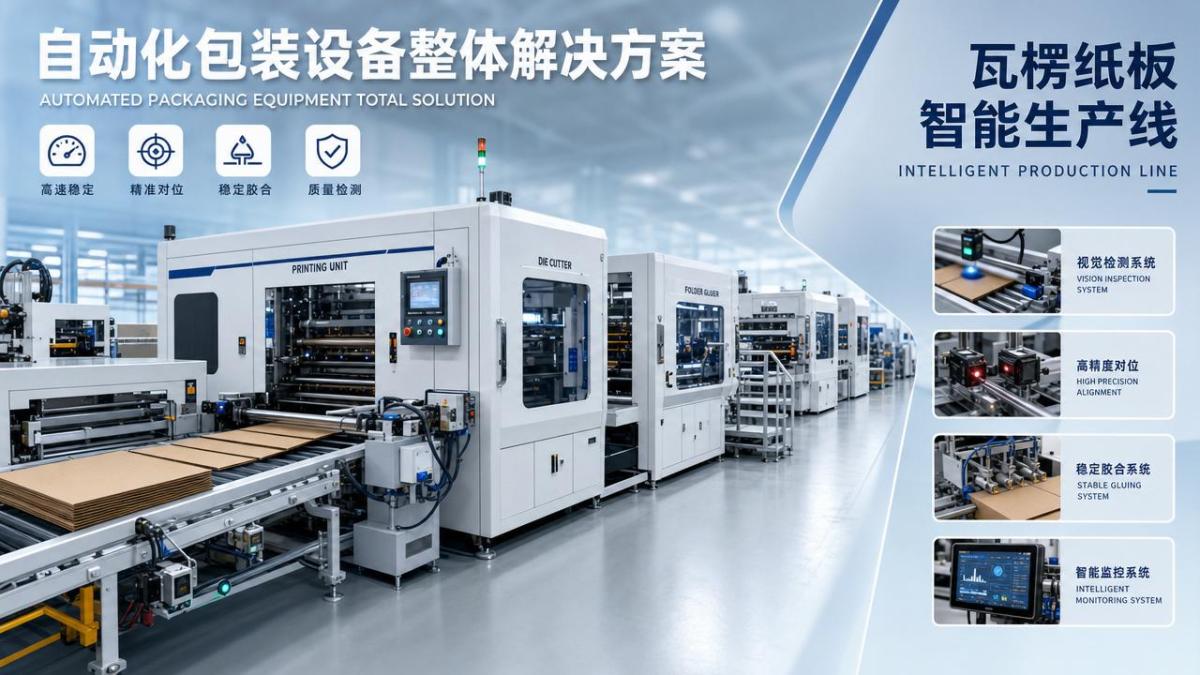
Packaging digital connectivity turns separate machines into one visible production system.
That sounds simple, but the factory-floor value comes from data selection, not from wiring alone.
Many plants already collect signals.
The bigger issue is whether those signals help teams improve output, quality, and response speed.
In packaging operations, the best connected line is not the one with the most dashboards.
It is the one where operators, engineers, and managers can act on the same production truth.
This is why packaging digital connectivity matters across corrugated lines, offset presses, die-cutters, and folder-gluers.
It supports tighter register control, more stable glue application, lower waste, and better line synchronization.
From a technical review perspective, the priority is clear.
Focus on data points that explain machine condition, product quality, and decision timing.
What Packaging Digital Connectivity Actually Means
Packaging digital connectivity is the structured exchange of machine, process, and quality data across the plant.
It links PLCs, drives, sensors, vision systems, MES, quality records, and scheduling tools.
The goal is not just visibility.
The goal is consistent decisions at machine speed.
On the factory floor, this usually includes three practical layers.
- Machine-state data, such as run, idle, fault, speed, and stop reason.
- Process-control data, such as temperature, pressure, tension, viscosity, and alignment values.
- Quality and job data, such as SKU, order status, defect counts, and approval records.
When these layers stay disconnected, root-cause analysis becomes slow and expensive.
When they work together, packaging digital connectivity supports faster changeovers and fewer hidden losses.
The Data Points That Matter Most
Not every sensor deserves equal attention.
The most useful packaging digital connectivity model starts with high-impact operating signals.
1. Machine Availability and Loss Codes
Availability is the first test of connected packaging performance.
Track run state, standby state, minor stops, major faults, and recovery time.
Also capture structured stop reasons.
Without common fault coding, packaging digital connectivity produces noise instead of insight.
2. Speed, Throughput, and Micro-Stoppages
Nameplate speed rarely reflects real output.
Track actual speed, average speed by SKU, throughput by shift, and speed loss during unstable periods.
Short stops often reveal feeder issues, transfer instability, or downstream bottlenecks.
3. Register, Position, and Alignment Stability
For offset presses and converting equipment, positional accuracy is not optional.
Measure print register deviation, sheet skew, die-cut alignment, and fold position drift.
These values directly affect sellable output and customer complaints.
4. Glue and Bonding Quality Signals
In corrugated and folder-gluer applications, bonding quality is a core control point.
Monitor glue temperature, viscosity, application volume, compression timing, and bond failure rates.
If these readings stay isolated, packaging digital connectivity loses one of its strongest quality benefits.
5. Waste, Defect, and Rework Signals
Waste should be tagged by cause, stage, and material type.
Include setup waste, register waste, crush defects, glue misses, print defects, and die-cut rejects.
This is where packaging digital connectivity quickly pays back.
Losses become visible in minutes, not at month-end reviews.
How Data Priorities Change by Process
A good packaging digital connectivity strategy respects process differences.
The same dashboard should not drive every machine family.
Corrugated Board Lines
Focus on steam pressure, temperature profile, web tension, starch condition, warp, and board moisture.
These factors explain board flatness, bonding strength, and downstream converting stability.
Offset Printing Presses
Prioritize register accuracy, ink density, dampening balance, sheet transfer timing, and make-ready duration.
More connected presses can also link quality images to each job and shift.
Die-Cutters and Folder-Gluers
Key values include feeder stability, cutting pressure, blank separation reliability, fold accuracy, and glue-line consistency.
In practical terms, these signals show whether geometry stays stable at production speed.
Which Standards and Integration Rules Deserve Attention
Technical evaluation should go beyond feature lists.
The real test is whether packaging digital connectivity can scale across mixed equipment and future upgrades.
- Check support for OPC UA, MQTT, and secure API-based data exchange.
- Confirm timestamp quality, tag naming discipline, and event synchronization across machines.
- Review recipe management, audit trails, and user-level access controls.
- Verify whether the supplier can map data to MES, ERP, QMS, or historian platforms.
Cybersecurity also matters.
A connected packaging line without role control or network segmentation introduces avoidable operational risk.
What Good Factory-Floor Connectivity Looks Like
Strong packaging digital connectivity should answer real production questions quickly.
For example, why did register drift after the last speed increase?
Why did glue defects rise on one shift but not another?
Why does one SKU always trigger more setup waste?
If the system cannot answer those questions, connectivity is still too shallow.
The most effective setups usually share four traits.
- Data is captured automatically, not entered late by hand.
- Events are tied to jobs, materials, and machine states.
- Quality signals are linked to root-cause analysis, not stored alone.
- Operators can see simple actions, not only engineering charts.
A Practical Evaluation Checklist
When reviewing vendors or internal upgrade plans, keep the checklist practical.
- Start with the top five loss categories on the line.
- Map each loss to a measurable signal and an action owner.
- Validate signal accuracy at the machine, not only in reports.
- Check whether data can be compared by SKU, shift, operator, and order.
- Confirm that alarms support action timing, not just fault logging.
- Test whether packaging digital connectivity improves one clear KPI within ninety days.
This approach avoids oversized projects with weak operational impact.
It also helps technical teams separate useful connectivity from expensive digital decoration.
Final Takeaway
Packaging digital connectivity is valuable when it improves control, speed, and confidence on the factory floor.
The winning data points are rarely the most fashionable ones.
They are the signals that explain uptime loss, register drift, bonding variation, waste creation, and line imbalance.
For plants working across corrugated, printing, die-cutting, and gluing, that focus creates real technical clarity.
In practice, the best next step is simple.
Define the few production decisions that matter most, then build packaging digital connectivity around them.
That is how connected packaging systems move from visibility to measurable factory performance.
Related News
Get weekly intelligence in your inbox.
No noise. No sponsored content. Pure intelligence.
