
Corrugated Board Production Technology: How to Reduce Warp, Crush, and Bonding Defects
Corrugated Board Production Technology: How to Reduce Warp, Crush, and Bonding Defects
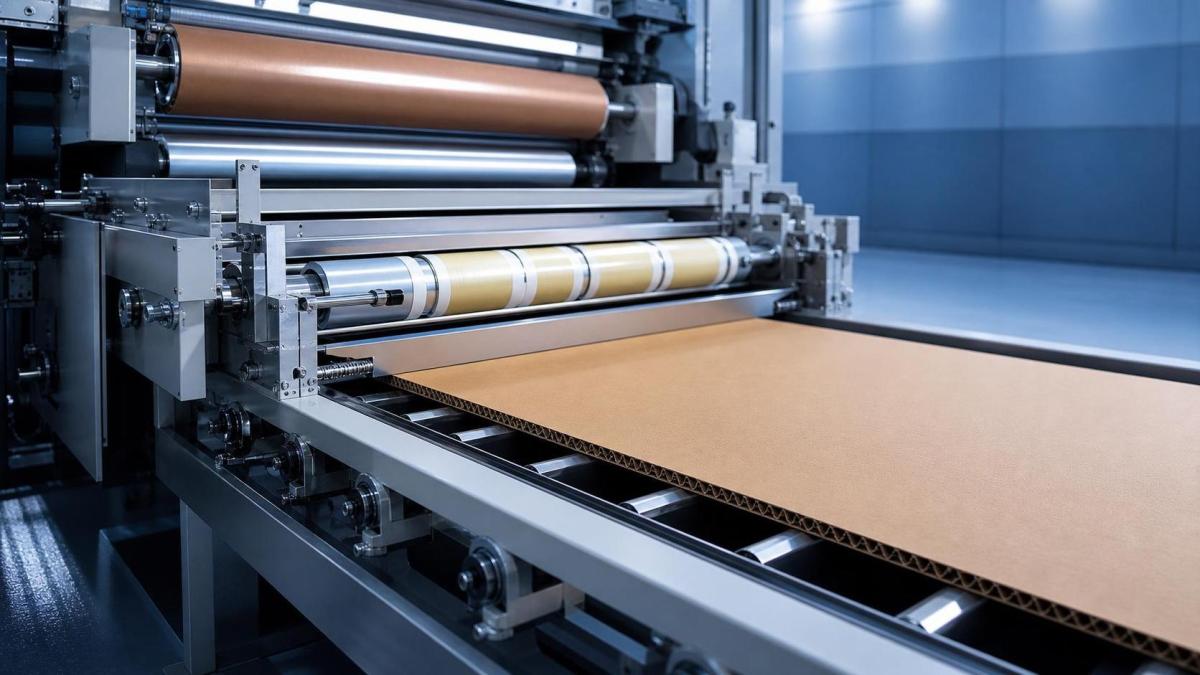
In corrugated board production technology, small process shifts create expensive quality losses fast.
Warp, flute crush, and weak bonding usually come from imbalance, not bad luck.
When moisture, heat, pressure, and glue stop working together, the board tells the story immediately.
The good news is that most defects can be reduced with disciplined checks on the corrugator.
This practical guide explains how to stabilize corrugated board production technology on the shop floor.
It focuses on root causes, fast diagnosis, and process adjustments that protect strength and uptime.
Why These Defects Happen in Corrugated Board Production Technology
Most defects start before the final sheet reaches the slitter or stacker.
They build step by step through paper condition, preheating, flute forming, gluing, and drying.
In real production, one correction often affects another variable.
More steam may improve bonding, yet it can also increase warp.
Higher pressure may sharpen flute shape, yet it may also crush the medium.
That is why strong corrugated board production technology depends on balance, not extreme settings.
- Warp comes from uneven moisture, temperature, or tension across liners and medium.
- Crush comes from excessive pressure, poor roll condition, or unstable paper strength.
- Bonding defects come from bad starch condition, weak heat transfer, or poor glue application.
If diagnosis starts with symptoms only, crews often chase the wrong adjustment.
Start instead with the process sequence and inspect the earliest likely source.
How to Reduce Warp Without Slowing the Line
Warp is one of the clearest signals that board balance is drifting.
It may appear as up warp, down warp, washboarding, or side-to-side shape distortion.
In corrugated board production technology, warp control begins with moisture matching.
Check paper condition before changing machine settings
Paper rolls with different storage histories rarely behave the same way.
Cold rolls, damp rolls, or overdry rolls can shift the whole moisture profile.
Before touching pressure or speed, confirm roll temperature, moisture, and basis weight consistency.
Balance preheating and wrap angles
Too much heat on one paper web creates a moisture gap that appears later as warp.
Adjust preheater wrap angles gradually and watch board shape after the double facer.
Quick changes often overcorrect and hide the real direction of improvement.
Focus on the hot plate section
Uneven heating across the machine width drives persistent warp and bonding variation.
Check steam traps, plate temperature consistency, belt pressure, and condensate drainage.
A stable hot plate section is central to reliable corrugated board production technology.
- Up warp often points to overdry single face or overdamp outer liner.
- Down warp often points to excess moisture on the single face side.
- Side warp often suggests cross-machine heat, moisture, or tension imbalance.
From a practical view, the best warp reduction comes from small, sequenced adjustments.
Change one variable, wait for board response, then decide the next step.
How to Prevent Flute Crush and Keep Compression Strength
Flute crush quietly destroys performance, even when the board looks acceptable at first glance.
Box compression drops, print surface changes, and converting problems become more frequent.
In corrugated board production technology, crush prevention starts at the single facer.
Inspect corrugating rolls and pressure settings
Worn roll profiles cannot form clean flutes, no matter how much pressure is added.
Extra pressure may hide the issue briefly while damaging medium structure further.
Check roll wear, parallelism, and nip settings before increasing load.
Match paper quality to flute profile and speed
Lightweight or weak medium needs careful treatment, especially at higher line speeds.
If speed rises without enough conditioning, the medium becomes brittle and crush risk grows.
Proper steaming and controlled preheat improve flute formation without forcing the nip.
Watch downstream pressure points
Crush does not only happen at the single facer.
Brake drag, bridge tension, belt pressure, slit scoring, and stacker handling also matter.
When defects seem random, check every point where the board is squeezed or bent.
- Confirm medium moisture is not too low.
- Reduce unnecessary nip and belt pressure.
- Verify slitter-scorer alignment and knife condition.
- Review handling damage at transfer and stacker sections.
This is where disciplined corrugated board production technology protects both strength and yield.
How to Improve Bonding and Avoid Delamination
Weak bonding is rarely caused by glue alone.
Most often, the starch is acceptable, but application, penetration, and gel conditions are not.
Effective corrugated board production technology treats adhesive as one part of a thermal system.
Keep starch consistency under control
Viscosity, temperature, solids, and caustic balance must stay within target range.
If viscosity drifts, the glue film becomes either too light or too heavy.
That leads to dry bond, washboard, or excess moisture entering the board.
Check glue roll settings and transfer quality
Uneven glue application across the width causes localized bond failure.
Metering roll condition, glue gap, doctor settings, and cleanliness all influence transfer stability.
If one edge bonds poorly, measure first and avoid guessing.
Make sure heat reaches the bond line
Adhesive must gel quickly enough to hold, then dry enough to stabilize the sheet.
Poor steam quality, low plate temperature, or weak belt contact delay bond development.
When line speed increases, this weakness becomes more visible.
Better bonding in corrugated board production technology comes from heat, timing, and consistency working together.
A Simple Troubleshooting Routine That Works on the Floor
When defects appear, teams lose time if every shift uses a different logic.
A standard routine makes corrugated board production technology more repeatable and easier to improve.
Use a four-step check sequence
- Define the defect clearly by location, direction, and severity.
- Trace the board path backward to the earliest affected section.
- Change one variable only and record the result.
- Lock the best setting and share it across shifts.
This approach sounds basic, but it prevents confusion during speed changes and order switches.
Track a few numbers every shift
Operators do not need a complex system to see patterns.
Start with paper moisture, roll temperature, starch viscosity, steam pressure, and defect rate.
Over time, these records reveal which settings support stable corrugated board production technology.
What Stronger Process Control Looks Like
The best lines do not eliminate variation completely.
They detect it early, respond calmly, and keep small drift from becoming scrap.
That is the practical value of corrugated board production technology in daily manufacturing.
If warp is rising, check moisture balance first.
If crush appears, inspect pressure and paper conditioning next.
If bonding weakens, review starch condition and heat delivery together.
In day-to-day operations, steady quality comes from disciplined observation and repeatable action.
Use this checklist-driven mindset to cut waste, protect box performance, and keep the line running with confidence.
Related News
Get weekly intelligence in your inbox.
No noise. No sponsored content. Pure intelligence.
