
How to Compare a Die-Cutting Machines Manufacturer for Carton and Label Production
How to Compare a Die-Cutting Machines Manufacturer for Carton and Label Production
Choosing the right die-cutting machines manufacturer can directly affect carton and label quality, production speed, and long-term operating costs.
The real comparison goes far beyond the quoted machine price.
You need to look at precision, uptime, automation, spare parts, service response, and fit for your product mix.
That matters even more now, as carton converters and label printers face shorter runs, tighter tolerances, and constant pressure on cost.
A capable die-cutting machines manufacturer should help protect output, not just ship equipment.
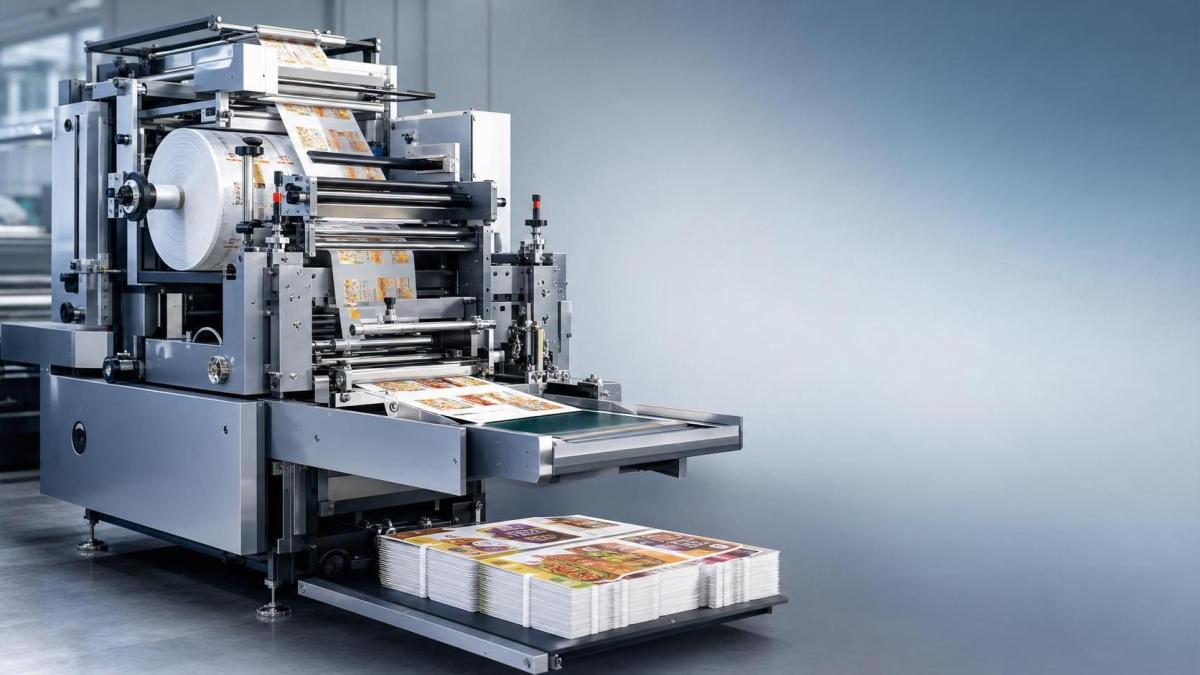
In practical sourcing, the best choice is often the supplier with the lowest total risk.
This guide breaks down how to compare each die-cutting machines manufacturer in a clear, usable way.
Start With Production Reality, Not Brochure Claims
Before comparing any die-cutting machines manufacturer, define your actual workload.
Carton and label production have very different technical demands.
Folding carton jobs usually need accurate creasing, clean stripping, and stable registration at higher sheet sizes.
Label work often puts more pressure on fine detail, repeatability, material versatility, and fast changeovers.
That is why one die-cutting machines manufacturer may look strong on paper but still be a weak fit.
Build your supplier comparison around key production facts:
- Main products: corrugated cartons, folding cartons, pressure-sensitive labels, or mixed packaging.
- Material range: paperboard, corrugated board, filmic labels, laminated stocks, or specialty substrates.
- Run profile: long-run standard jobs or many short-run SKUs.
- Tolerance needs: premium cosmetics and pharma usually require tighter consistency.
- Output targets: daily volume, shift pattern, and seasonal peaks.
Once this baseline is clear, each die-cutting machines manufacturer can be judged against real needs instead of generic promises.
Compare Technical Capability That Impacts Finished Quality
Quality problems rarely start at inspection.
They usually start with machine stability, tool control, and poor setup repeatability.
A serious die-cutting machines manufacturer should explain performance with data, not vague wording.
Look closely at these technical areas:
Registration and Cutting Accuracy
Ask how the die-cutting machines manufacturer measures registration under full production speed.
Static test results are useful, but dynamic accuracy matters more.
This is especially important for printed cartons and premium labels.
Pressure Stability and Creasing Quality
Uneven pressure can cause cracked folds, incomplete cuts, and weak crease lines.
A good die-cutting machines manufacturer should show how pressure is controlled across the full format.
Material Adaptability
Today’s converters often run recycled board, coated stocks, films, and lightweight materials.
The die-cutting machines manufacturer should prove stable handling across your actual material mix.
Waste Removal and Delivery Performance
Stripping quality, blank separation, and delivery neatness all affect downstream efficiency.
If the die-cutting machines manufacturer cannot maintain clean output, labor costs rise quickly.
Assess Automation by Its Effect on Labor and Changeover Time
Automation is not just a nice feature anymore.
In many plants, it is the main lever for controlling labor dependency and improving output consistency.
When comparing a die-cutting machines manufacturer, focus on whether automation solves daily bottlenecks.
Useful points to compare include:
- Automatic feeder settings and job memory for repeat orders.
- Quick-lock systems for dies, stripping frames, and cutting plates.
- Preset functions that reduce make-ready time.
- Vision monitoring or sensor-based fault detection.
- MES or ERP connectivity for production tracking.
From a cost perspective, changeover efficiency can be as important as top speed.
That is especially true for label converters and folding carton plants handling many SKUs.
A die-cutting machines manufacturer with smart setup design may deliver better economics than a faster but harder-to-run machine.
Look Beyond Price and Calculate Total Cost of Ownership
This is where many sourcing decisions go wrong.
The lowest quotation from a die-cutting machines manufacturer may produce the highest five-year cost.
A better comparison model includes both visible and hidden costs.
In real operations, one day of lost output can erase a small purchase discount very quickly.
That is why an experienced die-cutting machines manufacturer should be evaluated on lifecycle economics, not just sales price.
Check Service Depth, Spare Parts Access, and Supplier Stability
A machine can look impressive during a demo.
The real test begins after commissioning.
A dependable die-cutting machines manufacturer should support you through years of production pressure.
Here, several checks are worth doing:
- Verify local or regional service coverage.
- Ask for critical spare parts inventory lists.
- Review warranty scope and exclusions carefully.
- Request references from carton and label plants with similar volumes.
- Check financial stability and export experience.
Recent market shifts make this even more important.
Global supply chains are still uneven, and long part lead times remain a hidden risk.
A smaller upfront saving from one die-cutting machines manufacturer is rarely worth unstable support later.
Use a Structured Comparison Scorecard Before Final Negotiation
At the final stage, decisions often become too subjective.
A scorecard helps keep the process commercial, fair, and easier to defend internally.
For each die-cutting machines manufacturer, score the following:
- Technical fit for cartons or labels.
- Measured productivity and setup efficiency.
- Quality consistency across materials.
- Automation level and digital readiness.
- Service support and spare parts security.
- Five-year total cost of ownership.
- Commercial terms, delivery time, and risk exposure.
In many cases, the winning die-cutting machines manufacturer is not the cheapest or the most famous.
It is the one that matches your workflow, protects uptime, and scales with future packaging demands.
That also means asking tougher questions during negotiation.
Request acceptance criteria, trial material results, training scope, and response commitments in writing.
When a die-cutting machines manufacturer responds clearly and transparently, that is usually a strong signal.
Final Takeaway
Comparing a die-cutting machines manufacturer for carton and label production requires a practical, layered approach.
Start with your product mix and operating reality.
Then test each die-cutting machines manufacturer on quality capability, automation value, cost structure, and service reliability.
This approach reduces sourcing risk and improves the odds of long-term return.
If you are moving into higher-value cartons, shorter-run labels, or smarter packaging workflows, the supplier decision becomes even more strategic.
Use a fact-based scorecard, validate real operating data, and choose the die-cutting machines manufacturer that supports both current output and future flexibility.
Related News
Get weekly intelligence in your inbox.
No noise. No sponsored content. Pure intelligence.
