
Packaging Automation Technology Explained: Where It Fits and What to Automate First
Packaging automation technology sits at the meeting point of productivity, precision, and supply chain pressure. In packaging, printing, and woodworking-linked production, the question is no longer whether automation matters, but where it creates the fastest operational return. When order volumes fluctuate, customization expands, and labor consistency becomes harder to maintain, automation becomes a practical tool for stabilizing output, controlling waste, and improving decision speed across the line.
What packaging automation technology really includes
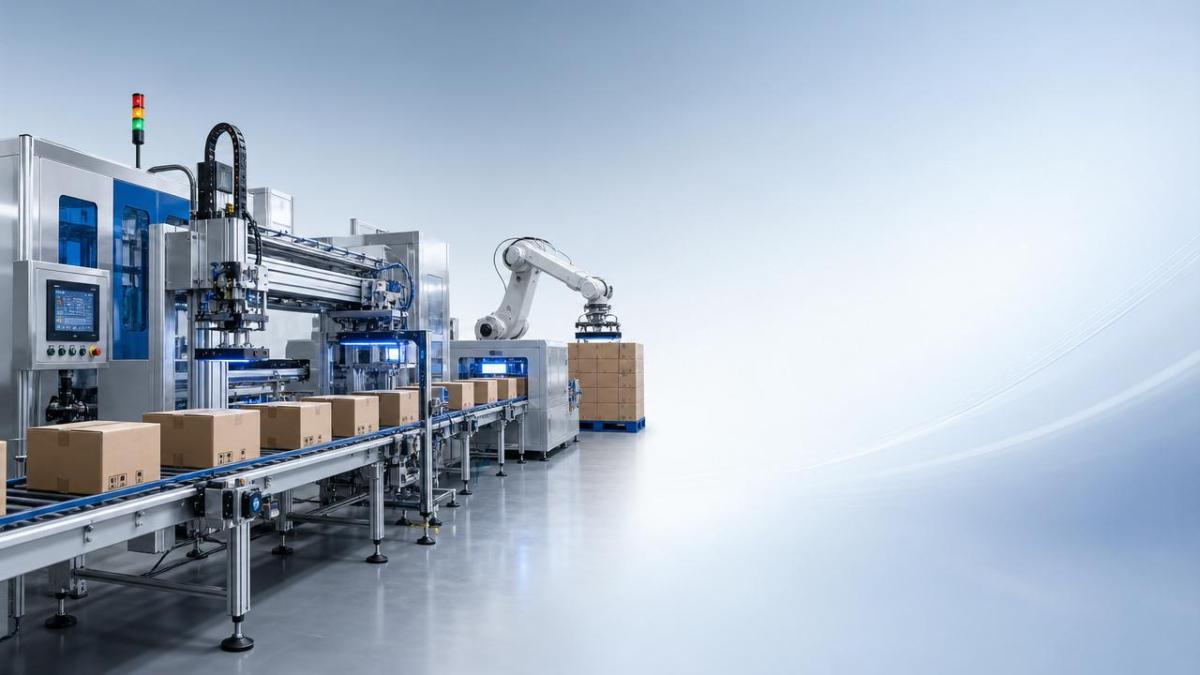
At a basic level, packaging automation technology refers to machines, controls, software, and data systems that reduce manual intervention in packaging workflows.
That definition sounds broad because it is broad.
In a corrugated plant, it may mean automated board handling, stack transfer, line synchronization, and defect detection.
In offset printing, it often includes automatic registration control, color management feedback, presetting, and sheet logistics.
In die-cutting and folder-gluing, it can mean feeder automation, inline inspection, recipe-based changeovers, and real-time jam response.
In woodworking-related packaging and furniture components, automation extends to CNC routing, panel identification, nesting optimization, and edge-banding consistency.
So the subject is not only robots at the end of a line.
It also includes sensors, MES connections, motion control, machine vision, and the logic that keeps throughput stable from one process to the next.
Why the topic is getting more urgent
The rise of e-commerce has changed packaging economics.
Plants now handle more SKU variation, shorter runs, tighter delivery windows, and stronger pressure to avoid rework.
At the same time, packaging is no longer judged only by output volume.
It is judged by print quality, traceability, material use, energy efficiency, and the ability to switch jobs without losing hours.
That is why packaging automation technology matters across the wider PWFS landscape.
Corrugated board lines support the physical layer of global logistics.
Offset presses define shelf impact through color accuracy.
Folder-gluers and die-cutters convert flat printed material into commercial geometry at demanding speeds.
CNC woodworking routers and edge banders show the same industrial shift toward digital precision and flexible mass customization.
Across these fields, automation is becoming the connective tissue between design intent, machine behavior, compliance needs, and profit control.
Where automation fits best on a modern line
The best starting point is rarely the most visible machine.
Usually, packaging automation technology delivers the strongest value where variability, delay, or waste already exists.
High-impact process zones
- Material infeed and transfer, where stoppages often begin.
- Registration and positioning, where quality drift becomes scrap.
- Changeover steps, where lost minutes quietly destroy capacity.
- Inspection points, where manual checking misses repeatable defects.
- Packing and palletizing, where repetitive labor creates inconsistency and ergonomic risk.
This is especially relevant in environments tracked by PWFS.
A high-speed press may print beautifully, yet downstream bottlenecks still limit sellable output.
A die-cutter may run fast, yet poor waste stripping or feeder setup may erase the advantage.
An advanced CNC cell may cut accurately, yet weak label tracking can disrupt assembly and edge sealing later.
Automation fits best where one unstable step damages the whole chain.
What to automate first
The first automation target should be easy to measure and hard to argue against.
That usually means starting with processes tied to downtime, waste, repeatability, or labor-heavy handling.
A common mistake is automating a prestigious process before fixing the unstable one beside it.
If upstream data is poor, faster machines only produce faster confusion.
If recipes are not standardized, advanced controls still depend on tribal knowledge.
The strongest first move is often modest but structural.
Examples include automatic job setup, barcode-based identification, closed-loop inspection, or synchronized conveying between critical machines.
How to judge value beyond labor savings
Labor reduction gets attention, but it is rarely the full business case.
Packaging automation technology also changes how reliably a plant can promise quality and delivery.
That matters in regulated packaging, branded consumer cartons, and custom wood-based product flows alike.
Useful value indicators
- Reduced spoilage during startup and shift change.
- More stable color, cut accuracy, fold quality, or edge finish.
- Cleaner compliance records for traceability or food-contact standards.
- Faster response to short-run and customized orders.
- Better production data for planning, quoting, and maintenance.
Within PWFS-covered sectors, this wider lens is important.
Micron-level print registration, pressure balance in die-cutting, and tool-path precision in routing all depend on repeatable control.
Automation does not replace mechanical excellence.
It makes that excellence usable at industrial scale.
Common decision mistakes
Some automation projects disappoint because the technology is wrong.
More often, they disappoint because the process definition is weak.
Three issues appear again and again.
- Automating exceptions before standard work is established.
- Buying isolated equipment without data connectivity.
- Estimating ROI from machine speed alone.
A faster line is not automatically a better system.
If maintenance response is slow, materials vary, or operators lack clear digital instructions, automation may expose process weakness rather than solve it.
This is why strategic analysis matters.
The most useful automation decisions combine machine physics, compliance demands, and capital discipline.
That same cross-functional perspective is central to PWFS coverage of paper and wood flexible manufacturing.
A practical way to move forward
A sensible roadmap begins with visibility.
Map one production flow from order entry to finished pallet or finished panel set.
Then identify where delay, touchpoints, quality drift, and manual judgment are concentrated.
After that, compare three layers of packaging automation technology.
- Single-point automation for one painful task.
- Line-level automation for machine coordination.
- System-level automation through MES, data feedback, and traceability.
This sequence keeps investment grounded in operational reality.
It also helps separate attractive machinery from useful automation architecture.
For the next evaluation step, focus on measurable friction points, existing data quality, integration readiness, and changeover frequency.
Those four filters usually reveal where packaging automation technology will create the clearest early advantage and where deeper transformation can follow with less risk.
Related News
Get weekly intelligence in your inbox.
No noise. No sponsored content. Pure intelligence.
