
How to Choose Box Making Machines in Latin America for Short Runs vs High-Volume Orders
How to Choose Box Making Machines in Latin America for Short Runs vs High-Volume Orders
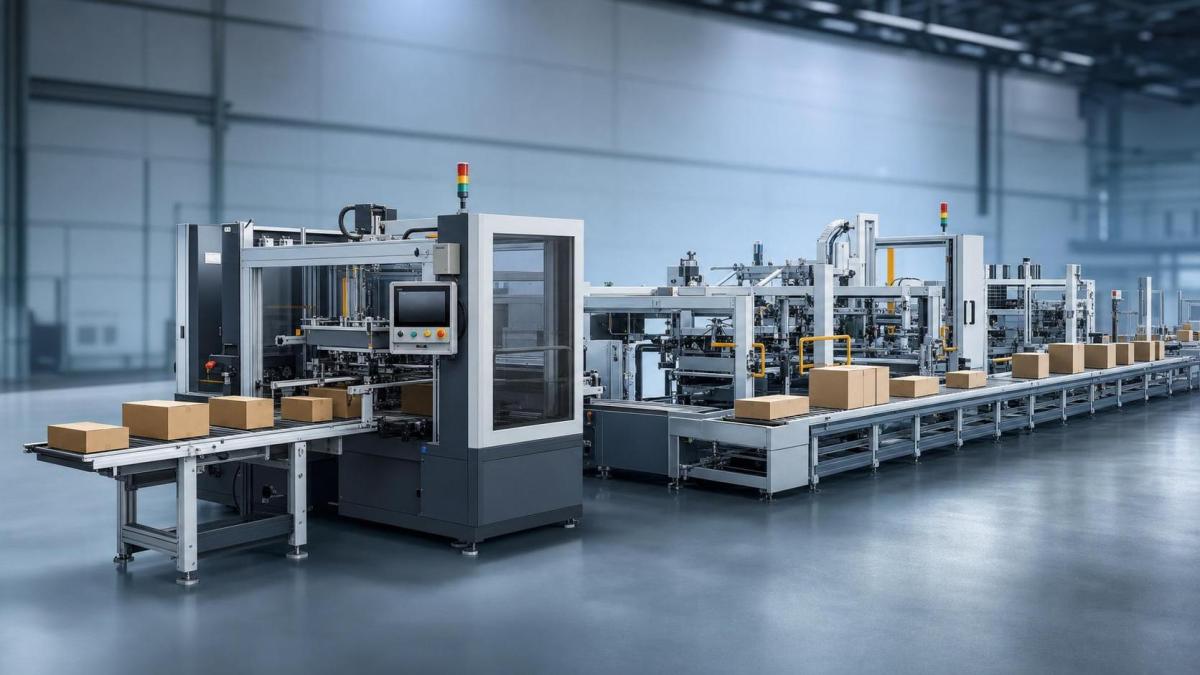
Choosing the right box making machines Latin America buyers can rely on starts with one question.
Are you producing short runs with frequent size changes, or high-volume orders needing nonstop speed?
That distinction shapes machine type, automation level, labor needs, and total production cost.
In Latin America, this decision matters even more because delivery times, spare parts access, and operator training vary widely.
A machine that looks cheaper on paper may become expensive once downtime, setup waste, and support delays appear.
This guide breaks down how to evaluate box making machines Latin America factories use for both production models.
Start with the Production Reality
Many buying mistakes happen because teams shop by machine speed alone.
Speed matters, but only after the real order profile is clear.
In practice, three numbers decide most equipment choices.
- Average order size by box type
- Daily SKU changes and setup frequency
- Peak monthly volume during seasonal demand
Short-run plants usually face mixed sizes, urgent delivery, and customized packaging requests.
High-volume plants need machine stability, predictable throughput, and low unit cost across long production cycles.
That also means the best box making machines Latin America companies choose are rarely one-size-fits-all.
What Works Best for Short Runs
Short runs reward flexibility more than headline output.
If orders change all day, quick setup becomes a profit driver.
For this environment, common options include digital box makers, servo-driven slotters, and compact flexo folder-gluer lines.
The main goal is reducing changeover time, material waste, and operator intervention.
Key features to prioritize
- Tool-free or fast recipe-based size change
- Servo positioning for repeatable accuracy
- Low minimum order efficiency
- Compact footprint for smaller facilities
- Simple HMI for faster operator adoption
This is especially relevant for converters serving e-commerce sellers, regional food brands, and contract packaging businesses.
These customers often reorder the same style, but not always in large quantities.
A slower machine with ten-minute changeovers can outperform a faster line with one-hour resets.
When comparing box making machines Latin America suppliers offer, ask for setup time under real job-switch conditions.
Where buyers often overspend
Short-run plants sometimes buy oversized lines designed for long production campaigns.
The result is underused capacity, higher maintenance cost, and unnecessary energy consumption.
More importantly, complex systems can slow daily work when technical support is limited.
What Works Best for High-Volume Orders
High-volume production changes the buying logic.
Here, the target is cost per box across sustained output.
That usually points toward larger flexo folder-gluer systems, rotary die-cutting lines, and integrated inline stacking or bundling.
In this model, uptime is worth more than extreme flexibility.
Key features to prioritize
- High stable speed with documented uptime rates
- Heavy-duty frame and durable drive systems
- Inline quality control and waste reduction tools
- Automatic feeding, counting, stacking, and transfer
- Remote diagnostics and local service response
For beverage, appliance, agriculture, and export packaging, reliability often beats customization depth.
A two percent drop in waste can be more valuable than a lower purchase price.
That is why serious evaluations of box making machines Latin America buyers shortlist should include throughput over entire shifts.
Ask for actual output after setup, stoppages, maintenance, and board variation.
How to Compare Total Cost, Not Just Purchase Price
A low machine price can hide expensive operating problems.
For procurement decisions, total cost of ownership gives a more accurate picture.
This is where many box making machines Latin America comparisons become clearer.
Calculate these cost factors
- Energy use per shift
- Setup waste by order change
- Operator count per machine
- Maintenance intervals and wear part cost
- Downtime risk from imported components
- Training time before full productivity
In Latin America, spare parts lead time deserves special attention.
A low-cost unit without regional support may stop production for weeks.
That risk should be priced into every buying decision.
Simple comparison table
Latin America Market Factors That Change the Decision
Regional conditions can reshape machine value very quickly.
Import duties, electricity stability, and local technical coverage all matter.
So do language support, training quality, and board material consistency.
When evaluating box making machines Latin America suppliers promote, look beyond brochure specifications.
Questions worth asking suppliers
- How many installed machines are operating in the region today?
- What is the average spare parts delivery time?
- Is local operator training included in the project?
- Can the machine handle board grades commonly sourced locally?
- What uptime data can be verified from regional users?
From recent market shifts, a clearer signal is growing demand for flexible packaging conversion near consumption centers.
That supports shorter lead times and lowers freight exposure.
It also means flexible box making machines Latin America operations can scale locally are gaining attention.
A Practical Buying Framework
A disciplined comparison process usually leads to better outcomes than chasing the newest model.
Use a simple framework before requesting final quotations.
- Define your top five box styles and actual monthly volumes
- Separate short-run jobs from repeat high-volume jobs
- Estimate target setup time and labor per shift
- Score suppliers on service, not only machine price
- Request live production samples using your board specifications
- Model payback under conservative utilization assumptions
This approach keeps the discussion grounded in business reality.
It also prevents buying box making machines Latin America plants cannot fully use or support.
Final Decision: Match the Machine to the Order Mix
The best box making machines Latin America buyers choose are the ones that fit order mix, not just budget.
For short runs, flexibility, fast setup, and manageable complexity usually create the best return.
For high-volume orders, automation, uptime, and waste control tend to win.
The smartest buying decisions combine production data, regional service reality, and total ownership cost.
Before moving forward, compare at least two machine configurations against your real monthly order structure.
That final step often reveals which investment will perform better in Latin American packaging operations over time.
Related News
Get weekly intelligence in your inbox.
No noise. No sponsored content. Pure intelligence.
