
For operators, setup time is where productivity is often won or lost. High-speed folder gluers can dramatically shorten changeovers by combining servo-driven adjustments, memory-based job recall, automated alignment, and faster glue system calibration.
Instead of spending long periods manually setting rails, belts, folding sections, and inspection points, crews can move from one carton style to the next with greater accuracy and less trial waste.
This article explains how high-speed folder gluers affect setup time and what operators should watch for on the production floor.
The short answer: faster setup, but only when the process is controlled
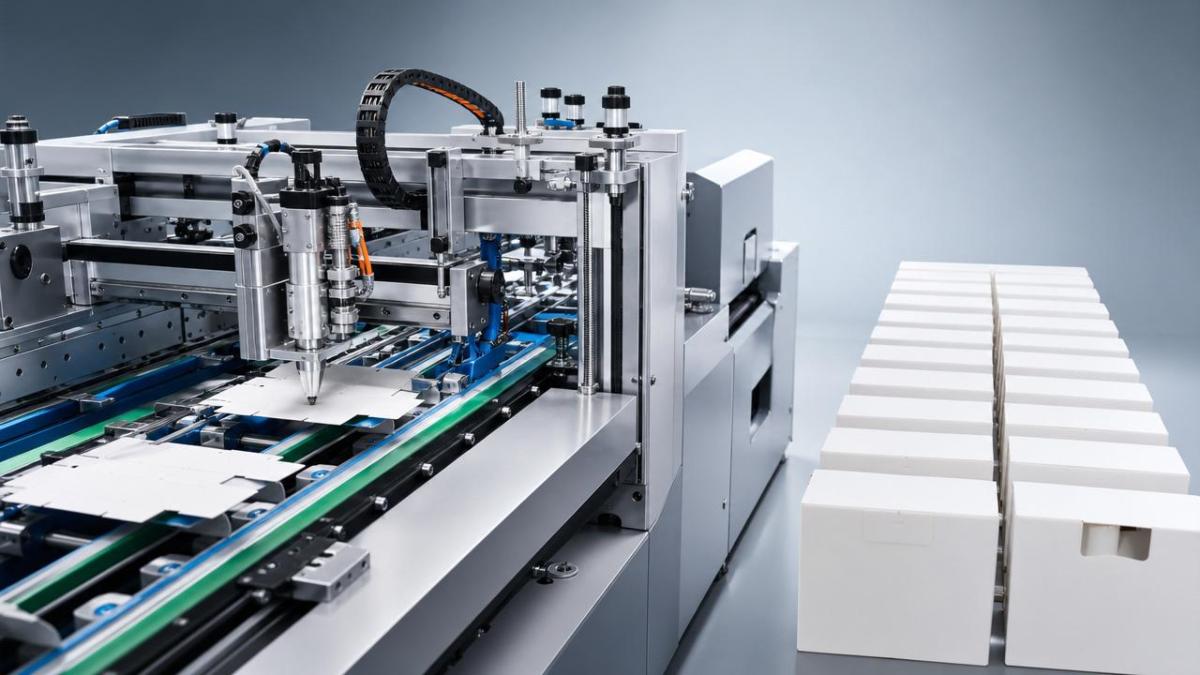
High-speed folder gluers reduce setup time mainly by replacing repeated manual adjustments with repeatable mechanical, electronic, and software-assisted positioning.
For operators, the real benefit is not only speed. It is fewer guesses, fewer trial blanks, and fewer corrections after production starts.
On older machines, setup often depends heavily on operator memory, handwheel settings, visual judgment, and repeated test runs.
Modern high-speed folder gluers shift much of that work into stored recipes, digital position indicators, servo movements, and automated inspection references.
However, setup time does not disappear. Crews still need correct job data, clean tooling, proper carton blanks, and disciplined start-up checks.
The biggest gains appear when the same plant runs many repeat jobs, short batches, or frequent carton style changes.
In those conditions, high-speed folder gluers can turn setup from a long manual reset into a structured confirmation process.
What operators usually mean by setup time
Setup time is not just the moment between stopping one job and pressing start on the next one.
For operators, it includes removing previous materials, loading new blanks, adjusting feeders, setting side guides, and positioning belts.
It also includes setting folding rails, compression sections, glue guns, ejectors, counters, scanners, cameras, and packing arrangements.
On complex cartons, setup may require several trial runs before the box folds squarely and the glue lands correctly.
If quality defects appear after acceleration, setup continues indirectly through speed reductions, corrections, waste sorting, and customer risk.
That is why high-speed folder gluers should be judged by stable first-pass setup, not only by maximum rated running speed.
Servo-driven adjustments remove much of the manual resetting
One of the clearest ways high-speed folder gluers reduce setup time is through servo-driven or motorized positioning.
Instead of manually moving each guide, rail, carrier, or section, operators can recall positions from a stored job profile.
The machine then moves selected components to preset locations, reducing measuring work and preventing many small human errors.
This is especially helpful when operators handle similar cartons with small dimensional differences, where manual settings are easy to confuse.
Digital position displays also help crews confirm whether the machine matches the setup sheet before feeding valuable printed blanks.
For new jobs, operators still need to fine-tune settings, but those corrections can be saved for the next repeat run.
Over time, the folder gluer develops a practical memory of proven settings for the plant’s real product mix.
Job memory makes repeat work much faster
For repeat orders, memory-based job recall is often the feature operators feel most immediately on the floor.
Once a good setup is saved, the next changeover begins from a known working baseline instead of a blank starting point.
This can shorten setup on common straight-line cartons, crash-lock bottoms, sleeves, and pharmaceutical boxes where specifications repeat frequently.
Good job memory also protects knowledge when experienced operators change shifts, retire, or move to another production line.
Instead of relying only on handwritten notes, the machine stores practical settings that newer operators can follow and verify.
The limitation is simple: bad data creates bad repeatability. Operators must update recipes after real corrections, not before validation.
A saved job should reflect the final stable run, including actual glue pressure, inspection positions, and compression settings.
Faster feeder and blank alignment reduce early trial waste
The feeder is often the first place where setup time expands, especially with curled board or inconsistent die-cut stacks.
High-speed folder gluers usually provide better feeder controls, smoother vacuum management, and more precise side-register adjustment.
When blanks enter squarely and consistently, downstream folding and gluing sections require fewer corrections during the first test passes.
Operators spend less time chasing problems that actually began with unstable feeding or poor blank presentation.
Automated or assisted alignment systems are particularly valuable on small cartons, lightweight board, and high-graphic packaging.
These jobs leave little tolerance for skew, scuffing, glue misplacement, or registration-related folding defects.
Stable feeding also lets operators accelerate sooner, because the machine behavior at low speed better predicts full-speed performance.
Glue system calibration becomes quicker and more repeatable
Glue setup can consume significant time because small errors produce open seams, squeeze-out, staining, or blocked cartons.
High-speed folder gluers improve this stage through programmable glue patterns, electronic gun timing, pressure control, and monitoring systems.
Operators can recall glue positions and bead lengths, then fine-tune for board absorbency, coating behavior, and production temperature.
This is faster than manually adjusting mechanical applicators repeatedly while checking whether glue lands correctly at running speed.
Some systems also detect missing glue, wrong glue length, or inconsistent application before defective cartons reach packing.
That does not remove the operator’s responsibility. Nozzle cleanliness, glue viscosity, hose temperature, and adhesive compatibility still matter.
The setup advantage is strongest when glue data, mechanical setup, and inspection points are treated as one connected recipe.
Automated inspection reduces the fear of accelerating
Many operators lose time after setup because they hesitate to increase speed until they trust carton quality.
High-speed folder gluers can include camera inspection, barcode checking, glue detection, gap control, and ejection of faulty blanks.
These systems help operators confirm that the job remains stable as the line moves from crawl speed to production speed.
When inspection is properly set, crews can identify problems earlier instead of discovering defects during packing or customer complaints.
However, inspection setup itself takes time, especially when carton artwork, code location, or reflective coating changes.
The best approach is to include inspection parameters in the job recipe and verify them during the first approved samples.
Operators should treat automated inspection as a setup accelerator, not as permission to skip manual sample checks.
High speed changes the setup mindset
A high-speed folder gluer magnifies both good and bad setup decisions. Small errors become large waste volumes very quickly.
Because the machine can run hundreds of cartons per minute, a short unstable period may create thousands of questionable pieces.
Operators therefore need a more disciplined setup sequence, even if the equipment provides more automation.
The goal is not to start at maximum speed immediately. The goal is to reach saleable speed faster and safer.
A strong setup routine usually moves from mechanical positioning to feeding stability, then folding accuracy, glue confirmation, inspection, and compression.
Only after these checks are stable should the operator accelerate in controlled steps and monitor carton behavior.
This mindset prevents a common mistake: saving minutes during setup, then losing much more time through avoidable sorting.
Where setup time savings are usually greatest
High-speed folder gluers deliver the largest setup savings in plants with frequent repeat jobs and many short-run orders.
Packaging operations serving cosmetics, pharmaceuticals, tobacco, food, and e-commerce often benefit because changeovers happen many times daily.
When order quantities are smaller, every saved setup minute directly improves available production capacity and delivery reliability.
Plants producing complex cartons also gain because folding sequences, glue points, and inspection settings are harder to rebuild manually.
For simple long-run work, the setup advantage still exists, but the financial impact may be less visible per job.
In that case, the main value may come from reduced waste, improved consistency, and easier operation across shifts.
Operators should judge the machine against their real job mix, not against a demonstration using ideal sample blanks.
What still slows setup even on advanced machines
High-speed folder gluers cannot fully compensate for poor upstream control. Die-cut accuracy still strongly affects setup stability.
If creases are weak, cuts are inconsistent, or blanks vary across stacks, operators will spend more time correcting symptoms.
Printed coating, board moisture, grain direction, and blank curl can also change how cartons fold and compress.
Tooling condition matters as well. Worn belts, dirty glue nozzles, damaged guides, and unstable carriers extend setup time.
Another common problem is incomplete job information. Missing carton drawings, outdated setup sheets, or unclear glue specifications slow decisions.
Automation works best when the plant supports it with accurate data, preventive maintenance, and standardized operating procedures.
Operators should report recurring setup delays, because they often reveal upstream process issues rather than personal skill gaps.
A practical setup sequence operators can use
Before stopping the current job, confirm that the next job materials, tools, glue, packing instructions, and approved samples are available.
After shutdown, clear old blanks and inspect belts, guides, compression sections, glue nozzles, sensors, and ejector paths.
Recall the saved job recipe, then verify critical dimensions against the production order and carton drawing.
Load blanks carefully and check stack condition, board direction, curl, and any die-cut variation before feeding continuously.
Run initial blanks slowly to confirm feeding, alignment, folding sequence, glue placement, and carton squareness.
Set or verify inspection points, then produce approved samples for quality confirmation before accelerating.
Increase speed in stages while checking seam strength, fold memory, compression, counting accuracy, and reject system performance.
After the run stabilizes, update the saved recipe if real production settings differ from the original stored values.
How operators can measure whether setup time really improved
To understand the real effect of high-speed folder gluers, operators should measure more than the official changeover duration.
Useful measurements include stop-to-first-good-carton time, number of trial blanks, time to target speed, and waste during ramp-up.
Plants should also track corrections made after approval, because hidden setup problems often appear during the first production hour.
Comparing these numbers across operators, shifts, carton types, and repeat jobs shows where the machine helps most.
It also reveals whether delays come from equipment adjustment, material condition, missing data, or inconsistent work methods.
Good measurement turns setup improvement from an opinion into a practical training and process improvement tool.
For operators, the best metric is simple: how quickly can the line produce stable, saleable cartons without extra sorting?
Training matters as much as automation
Advanced machines shorten setup only when operators understand both the controls and the carton behavior behind them.
Training should cover recipe management, servo positioning, glue programming, camera setup, fault diagnosis, and safe adjustment practices.
Operators also need carton knowledge, including crease behavior, board grain, glue absorption, folding resistance, and compression timing.
Without that understanding, crews may trust stored settings too much and miss visible signs of instability.
The most effective operators combine machine memory with practical observation, adjusting only what the carton result proves necessary.
Team communication is also important. A good shift handover should include setup issues, saved changes, and material concerns.
This prevents the next crew from repeating the same troubleshooting cycle and losing the same setup time again.
What operators should ask before using a high-speed folder gluer
Before a new machine or job program is introduced, operators should ask which settings are motorized and which remain manual.
They should also know whether glue data, inspection data, feeder settings, and compression settings are included in job recall.
Another important question is how easy it is to edit, save, protect, and restore approved recipes.
If anyone can overwrite a proven job without control, setup memory may become unreliable instead of helpful.
Operators should also ask what maintenance tasks directly affect setup, especially around belts, sensors, glue systems, and vacuum components.
Finally, crews should understand the standard approval process for first samples and ramp-up to production speed.
Clear answers to these questions make the technology practical, not just impressive on a specification sheet.
Final takeaway: high-speed folder gluers turn setup into a repeatable system
High-speed folder gluers affect setup time by reducing manual adjustment, improving repeatability, and helping operators reach stable production faster.
The strongest benefits come from servo settings, job memory, better feeder control, programmable glue systems, and integrated inspection.
For operators, the value is practical: fewer trial blanks, less guessing, smoother changeovers, and greater confidence when accelerating.
Still, the machine cannot replace disciplined preparation, good materials, accurate recipes, maintenance, and operator judgment.
The right way to view high-speed folder gluers is not as machines that eliminate setup, but as systems that organize it.
When used correctly, they transform changeover from a craft-dependent struggle into a controlled, measurable, and continuously improvable production process.
