
What Drives Packaging Machinery Solutions Cost in Automated Production Lines?
What Drives Packaging Machinery Solutions Cost in Automated Production Lines?
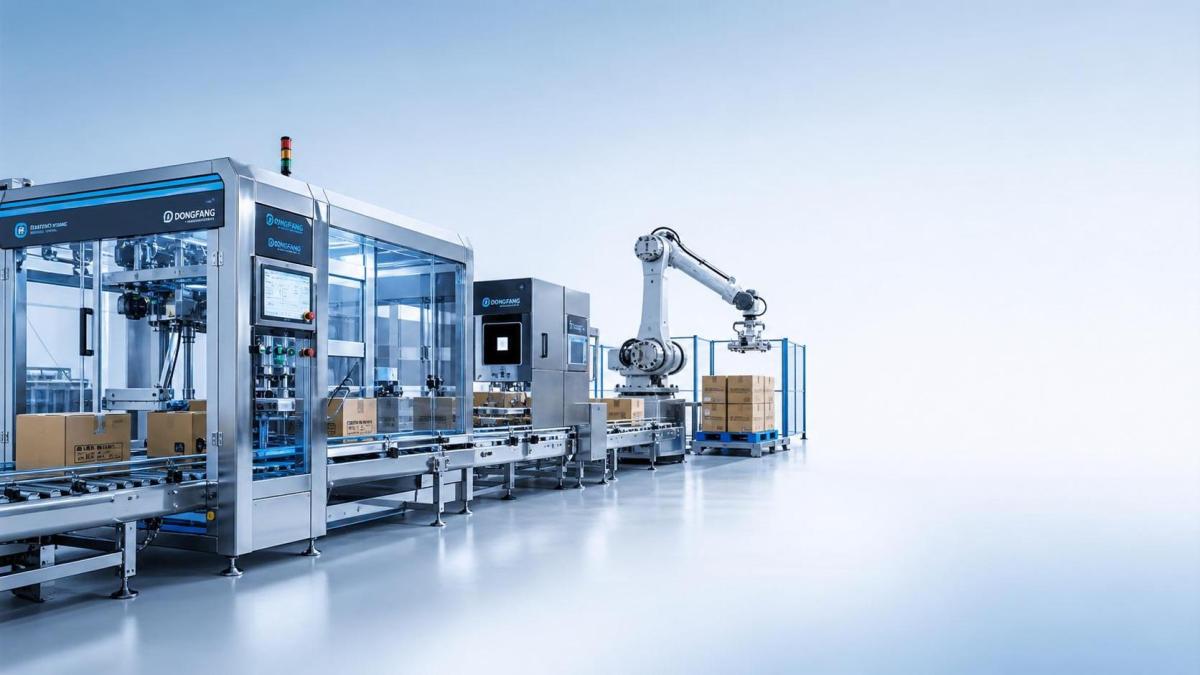
For automation projects, the quoted machine price is only the visible layer of spending.
The real packaging machinery solutions cost is shaped by throughput, layout, utilities, labor targets, and long-term maintenance strategy.
That matters when capital approval depends on predictable payback, controlled risk, and scalable output.
In practice, two lines with similar names can have very different budgets.
A standard case packer serving one SKU is not priced like a high-speed, multi-format line linked to upstream printing, die-cutting, or carton feeding.
This is why smart budgeting starts with cost drivers, not brochures.
The Base Price Is Only the Starting Point
Most suppliers present packaging machinery solutions cost as an equipment figure.
That number usually covers the machine frame, standard controls, and a defined output range.
It often excludes line integration, installation, material trials, and site preparation.
This also means a low entry quote can become expensive during implementation.
When reviewing offers, separate cost into three layers:
- Core machine price
- Integration and commissioning expense
- Operating and lifecycle cost
Without that structure, packaging machinery solutions cost comparisons usually become misleading.
Configuration Complexity Changes the Budget Fast
Configuration is one of the strongest cost drivers in automated packaging.
A line built for one carton size needs fewer servo axes, change parts, sensors, and recipes.
A line serving many formats needs more flexibility, and flexibility costs money.
Common add-ons that increase packaging machinery solutions cost include:
- Automatic size changeover systems
- Vision inspection modules
- Robotic loading or palletizing units
- High-speed glue application controls
- Traceability, coding, and rejection stations
In actual operations, configuration should match the product mix, not every future possibility.
Over-specifying flexibility can weaken return on investment.
Throughput Targets Usually Set the Cost Curve
Speed expectations have a direct impact on packaging machinery solutions cost.
Higher output requires stronger frames, faster motion control, more precise feeding, and tighter synchronization between stations.
That upgrade is rarely linear.
The difference between medium speed and very high speed often brings a sharp jump in engineering and component quality.
A useful approval question is simple: what level of output is truly needed per shift?
If demand peaks only a few weeks each year, added speed may not justify the capital increase.
More buyers now model average demand, peak demand, and outsourced overflow before locking the line design.
Material Compatibility Affects More Than Machine Selection
Material handling is another hidden driver of packaging machinery solutions cost.
Corrugated grades, printed carton surfaces, coated boards, recycled inputs, and adhesive behavior all affect machine design.
A line running fragile, glossy, or variable materials needs better feeding stability and more precise process control.
This becomes even more important when the line connects to offset printing, die-cutting, or folder gluer output.
Material inconsistency often causes waste, downtime, and operator intervention.
So the true packaging machinery solutions cost should include expected scrap rates and quality losses, not only hardware spending.
Integration Can Outweigh Individual Equipment Savings
A lower machine quote can still lead to a higher project budget if integration is difficult.
This is one of the most common gaps in packaging machinery solutions cost planning.
Integration cost usually comes from several areas:
- Conveyors, buffers, and transfer systems
- PLC communication with upstream equipment
- MES, ERP, or barcode traceability links
- Safety guarding and compliance engineering
- Site layout changes and utility relocation
In real factories, integration decides whether automation performs smoothly or becomes a stop-start system.
That is why many approval teams now evaluate total installed cost instead of ex-works machine price.
Labor Savings Matter, but They Need a Real Baseline
Labor reduction is often used to justify packaging machinery solutions cost.
Sometimes that logic is sound. Sometimes it is too optimistic.
Automation does not always remove headcount one-for-one.
It may shift labor from repetitive packing to line supervision, maintenance, and quality control.
A realistic savings model should calculate:
- Current labor per shift and overtime dependence
- Expected staffing after stabilization
- Training time and temporary parallel operation
- Downtime risk during ramp-up
This gives a more believable payback period and a cleaner capital request.
Maintenance, Parts, and Uptime Shape Lifecycle Cost
Short-term budgeting often underestimates ongoing packaging machinery solutions cost.
Yet maintenance contracts, spare parts, wear components, and response times can define long-run economics.
A machine with a lower purchase price may become expensive if critical components have long lead times.
This is especially relevant in global packaging networks where downtime disrupts customer delivery windows.
Useful checks include preventive maintenance intervals, local parts support, software service access, and operator-friendly diagnostics.
Lifecycle planning turns packaging machinery solutions cost into a controllable number instead of an open-ended risk.
A Simple Cost Review Framework for Approval Decisions
When comparing proposals, a structured view works better than a headline price.
The table below highlights the main areas affecting packaging machinery solutions cost.
This kind of review keeps procurement discussions grounded in total value.
How to Control Packaging Machinery Solutions Cost Without Limiting Growth
The goal is not to buy the cheapest line.
The goal is to control packaging machinery solutions cost while preserving output quality and expansion flexibility.
Several actions usually help:
- Define the real SKU range before requesting quotes
- Separate must-have features from future options
- Request total installed cost, not only machine cost
- Test actual production materials before final approval
- Model uptime, scrap, and maintenance into ROI
From a decision standpoint, these steps reduce surprise costs and improve negotiating clarity.
A sound investment case connects machine specification with measurable business outcomes.
That is the practical way to assess packaging machinery solutions cost in modern automated production lines.
Related News
Get weekly intelligence in your inbox.
No noise. No sponsored content. Pure intelligence.
