
How to Choose Industrial Packaging Systems for Mixed Product Lines
How to Choose Industrial Packaging Systems for Mixed Product Lines
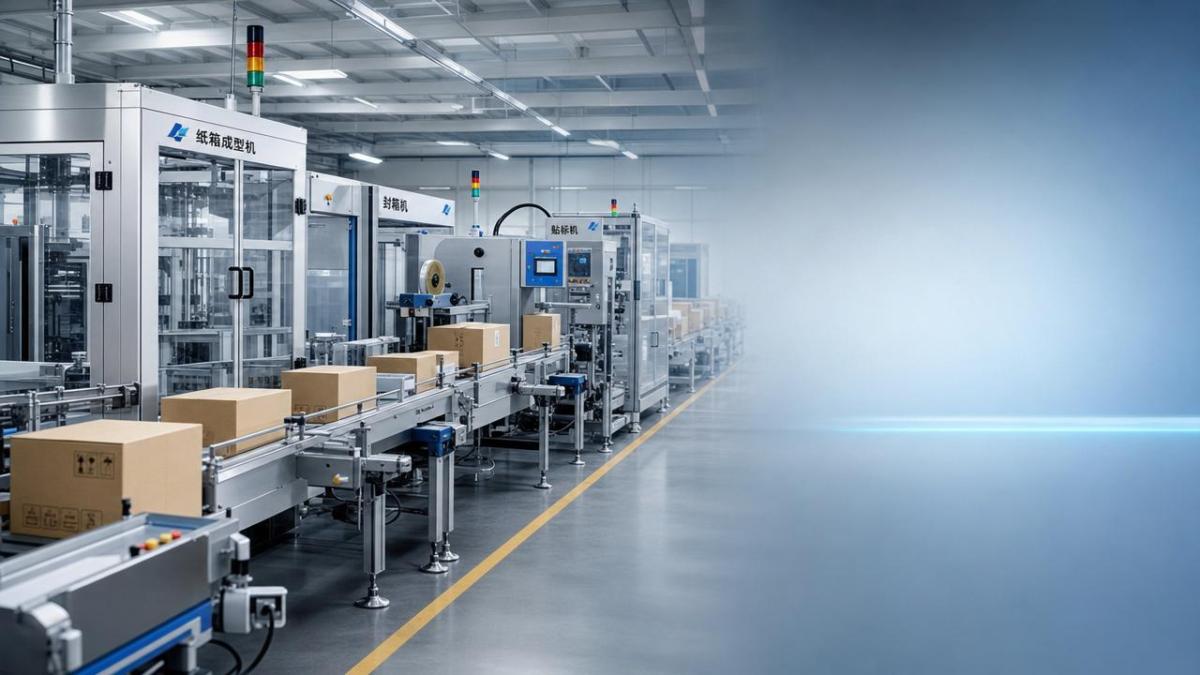
Choosing the right industrial packaging systems for mixed product lines is a strategic decision. It shapes throughput, product protection, labor use, and future flexibility.
For companies handling varied SKUs, the real question is bigger than equipment selection. You are designing a packaging workflow that can adapt without constant disruption.
That matters even more now. E-commerce volatility, shorter production runs, and higher customer expectations are pushing industrial packaging systems to do more with less.
In practice, the best decision usually comes from matching packaging technology to product diversity, operating rhythm, and long-term automation goals.
Start With Product-Line Reality, Not Machine Specs
Many packaging projects start with speed claims. That is understandable, but it is rarely the best first filter for industrial packaging systems.
Mixed product lines create different demands. Fragile goods, flat packs, bulk items, premium cartons, and e-commerce shippers do not behave the same way.
Before comparing systems, define the real operating profile:
- SKU count and changeover frequency
- Primary pack, secondary pack, or transit pack needs
- Product dimensions, weight, and fragility range
- Daily, weekly, and seasonal volume swings
- Compliance, labeling, and traceability requirements
This first step helps narrow which industrial packaging systems can truly support your line. It also prevents buying capacity that looks impressive but stays underused.
From a broader operations view, flexibility is often the strongest signal of value. Especially when product mix changes faster than yearly capital plans.
Focus on the Five Decision Factors That Actually Matter
When evaluating industrial packaging systems, five factors usually separate a good investment from an expensive bottleneck.
1. Changeover Speed
Mixed product lines live or die on changeovers. A fast line that pauses constantly may produce less than a slower, more agile system.
Look for tool-less adjustments, recipe storage, auto-positioning, and fast format recall. These features reduce labor pressure and cut setup-related waste.
2. Packaging Range
The best industrial packaging systems support size variation without sacrificing stability. Check the acceptable range for board types, carton styles, bundle dimensions, and sealing formats.
This is especially important for companies shipping both standardized and custom products.
3. Integration With Upstream and Downstream Equipment
A packaging line should not operate like an island. Industrial packaging systems need clean handoffs with printing, die-cutting, conveying, labeling, palletizing, and MES data flow.
Poor integration usually creates hidden costs. You see them later as idle time, manual rework, and missed delivery windows.
4. Protection Performance
Throughput matters, but damaged goods erase those gains quickly. Packaging performance should match actual transport risk, stacking conditions, and customer presentation standards.
This is where corrugated board quality, folding precision, sealing consistency, and print registration all influence commercial outcomes.
5. Scalability
The right industrial packaging systems should fit today’s demand without blocking tomorrow’s growth. Modular expansion is often safer than oversizing from day one.
Scalability also includes software readiness, remote diagnostics, and upgrade paths for automation modules.
Match System Type to Packaging Workflow
Not every business needs the same industrial packaging systems. The correct configuration depends on where value is created in your process.
For example, operations connected to corrugated board lines may prioritize board strength and box conversion speed. Premium carton producers may care more about print quality and folding precision.
That is why system selection should follow workflow economics, not just equipment category labels.
Watch for Hidden Costs Before You Buy
Capital cost is only the visible part of the decision. Industrial packaging systems often succeed or fail based on less obvious cost drivers.
- Material waste during setup and short runs
- Operator training time and skill dependency
- Energy use across idle and peak conditions
- Spare parts availability and service response
- Downtime caused by integration gaps
In actual operations, short-run complexity can punish systems designed around long, predictable batches. This is a common mismatch in mixed product environments.
A practical evaluation model should compare total cost per packaged unit, not just machine purchase price.
Use a Shortlist Scorecard for Faster Decisions
If several industrial packaging systems look similar, a scorecard keeps the process objective. It also helps align operations, finance, engineering, and commercial priorities.
A simple scoring structure can include:
- Flexibility across SKU range
- Changeover time under realistic conditions
- Packaging quality consistency
- Integration readiness with current line assets
- Service, training, and local support strength
- Five-year operating cost outlook
Ask suppliers to validate claims using your own product mix. Sample runs, digital simulations, and pilot data are far more useful than generic brochures.
More importantly, test the difficult SKUs. Easy products rarely expose the real limits of industrial packaging systems.
Why Intelligence and Process Visibility Matter More Now
Recent market shifts make packaging visibility more valuable than ever. Demand patterns move quickly, while labor and material costs remain under pressure.
That means industrial packaging systems should deliver data, not just output. Real-time monitoring helps teams manage yield, downtime, waste, and order responsiveness.
For companies linked to corrugated converting, offset printing, folder-gluing, or CNC-based custom production, process intelligence creates a stronger planning advantage.
This is also where deeper sector insight becomes useful. PWFS closely follows how paper and wood manufacturing systems are converging around automation, traceability, and flexible production logic.
From corrugated board lines to folder-gluers and CNC woodworking equipment, the same lesson appears repeatedly. Flexible systems win when product diversity and delivery pressure rise together.
Make the Final Choice With Operational Discipline
The best industrial packaging systems are not always the fastest or the most automated. They are the ones that fit your real mix, support quality, and remain adaptable over time.
A strong final decision usually follows a clear sequence:
- Map current and future SKU complexity
- Identify packaging bottlenecks by workflow stage
- Shortlist industrial packaging systems by flexibility first
- Validate supplier claims with real production cases
- Compare five-year operating value, not headline speed
If you approach the project this way, the result is usually more resilient. You get a packaging system that protects products, supports labor efficiency, and scales with the business.
In the end, choosing industrial packaging systems for mixed product lines is less about buying a machine and more about building a reliable production advantage.
Related News
Get weekly intelligence in your inbox.
No noise. No sponsored content. Pure intelligence.
