
Is panel edge banding technology worth upgrading in 2026?
As furniture factories face stricter emissions rules, faster customization cycles, and rising labor costs, panel edge banding technology is no longer a simple finishing upgrade—it is a strategic production decision. In 2026, technical evaluators must look beyond glue type or machine speed and assess sealing quality, automation depth, energy use, MES connectivity, and long-term yield improvement. This article examines whether upgrading today’s edge banding systems can deliver measurable gains in product durability, compliance, and flexible manufacturing performance.
Why panel edge banding technology becomes a boardroom issue in 2026
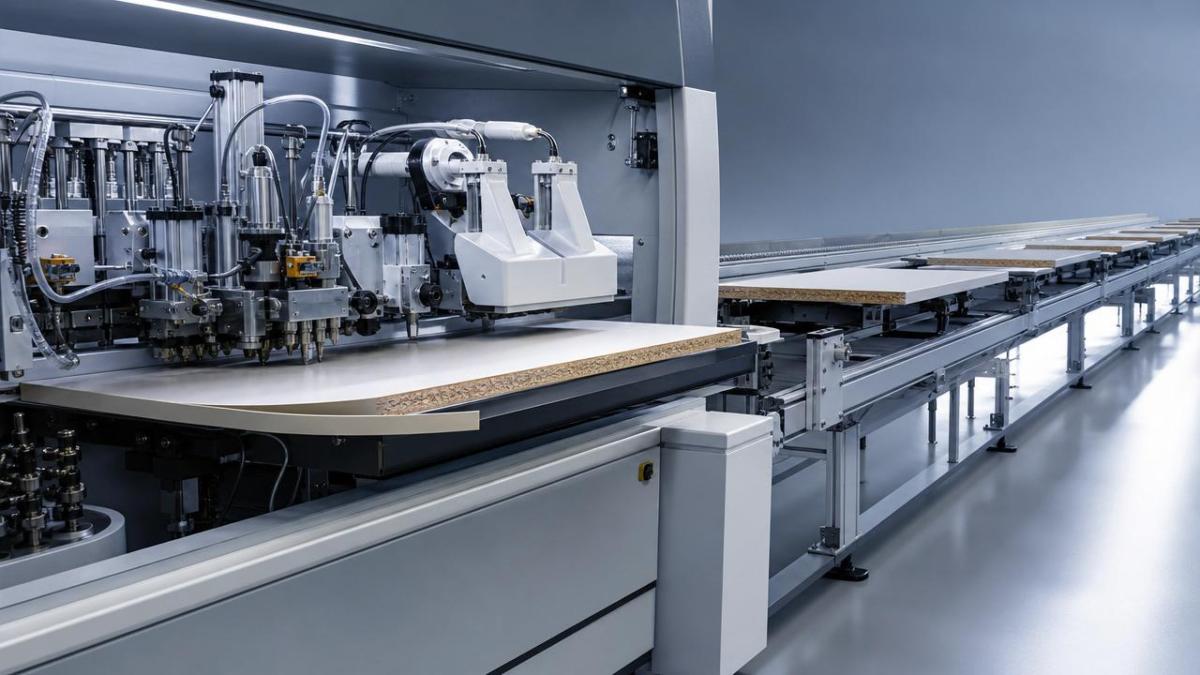
For many furniture plants, the edge bander used to sit after cutting and drilling as a finishing machine. That view is now outdated.
Modern panel edge banding technology directly affects formaldehyde sealing, moisture resistance, visible quality, rework rates, and the reliability of customized furniture delivery.
In whole-house customization, each order may contain different panel sizes, colors, substrates, and edge materials. Manual adjustment becomes a production bottleneck.
Technical evaluators must therefore judge edge banding as part of the digital woodworking line, not as an isolated machine purchase.
The upgrade is usually justified when these pressures appear
- Order variety rises faster than operators can adjust glue temperature, pressure wheels, trimming units, and scraping stations consistently.
- Customers complain about black glue lines, open joints, moisture swelling, or peeling after transport and installation.
- Compliance teams require better edge sealing to support low-emission boards and more demanding indoor furniture specifications.
- MES or barcode-driven production is already planned, but the existing edge bander cannot receive programs automatically.
PWFS observes this shift across woodworking and packaging automation. Precision, traceability, and flexible flow are becoming common expectations in paper and wood manufacturing.
Which upgrade path fits your production reality?
The decision is not simply EVA versus PUR versus laser. The right panel edge banding technology depends on product grade, batch size, climate exposure, and automation targets.
The table below helps technical evaluators compare common approaches before requesting trials, quotations, or factory layout changes.
This comparison shows why no single route is universally correct. Panel edge banding technology must be matched to product positioning and measurable quality targets.
For factories serving mixed markets, a hybrid strategy is common. EVA may remain for basic parts, while PUR or laser handles exposed premium components.
What parameters should technical evaluators verify before upgrading?
Machine brochures often highlight feed speed, but output stability depends on a wider parameter chain. Weakness at one station can destroy final quality.
Before choosing panel edge banding technology, request test data under real panel sizes, actual edge tape, and representative substrate density.
The strongest business case appears when quality parameters connect with data capture. Operators should not guess why defects happen after the batch ends.
A future-ready system records alarms, temperature curves, production counts, recipe changes, and maintenance events for engineering review.
Where does upgraded edge banding create measurable value?
Panel edge banding technology pays back differently across workshops. The clearest benefits appear where visible quality, sealing performance, and changeover speed affect margins.
Customized home furniture
Whole-house customization requires fast switching between cabinet bodies, doors, shelves, wall panels, and decorative components. Recipe-driven adjustment reduces operator dependence.
Kitchen and bathroom cabinetry
Moisture exposure makes edge integrity critical. PUR or zero-joint systems often improve durability where steam, cleaning agents, and swelling risk are present.
Flat-pack furniture for e-commerce
Shipping vibration and warehouse handling expose weak joints quickly. Better sealing reduces after-sales claims related to chipped corners or peeling edges.
- Factories with frequent small batches should prioritize automatic positioning, stored recipes, and rapid edge tape changeover.
- Factories with premium panels should prioritize joint appearance, scraping quality, and compatibility with high-gloss or matte surfaces.
- Factories targeting export markets should align edge sealing with material documentation, emission expectations, and repeatable inspection records.
PWFS connects these woodworking realities with broader industrial logic seen in printing and packaging: stable processes protect yield better than isolated speed claims.
How should cost, energy, and payback be evaluated?
Budget pressure is real, but purchase price alone can mislead. The full cost of panel edge banding technology includes consumables, downtime, waste, and training.
Use the following framework to compare investment options beyond the initial quotation.
A reliable payback model should compare current defect rates with expected reduction under controlled trial conditions, not optimistic sales assumptions.
For technical evaluators, the most persuasive upgrade case usually combines lower rework, faster changeover, reduced labor sensitivity, and stronger compliance readiness.
What compliance and material factors should not be overlooked?
Edge banding does not replace board emission compliance, but it supports the furniture system by sealing exposed substrate edges and improving moisture protection.
When evaluating panel edge banding technology, align machine capability with board certification, adhesive documentation, and regional indoor product requirements.
Key compliance questions for technical review
- Can the supplier provide adhesive technical data sheets and safety documentation for the intended production region?
- Does the process support traceability of board batch, edge tape batch, adhesive batch, and production recipe?
- Is the system suitable for materials used in CARB Phase 2, TSCA Title VI, EN 13986, or similar market frameworks?
- Can dust extraction, heat sources, and operator safety measures integrate with existing plant requirements?
PWFS places compliance beside kinematics and production economics. In modern plants, the best technical choice must satisfy both engineering and audit teams.
Common mistakes when evaluating panel edge banding technology
Many upgrade projects fail because teams compare machines on catalog values, not on the daily stress of their real production environment.
Mistake one: buying only for maximum feed speed
High speed is valuable only when feeding, trimming, scraping, buffing, and inspection remain stable. Otherwise, speed simply creates defects faster.
Mistake two: ignoring upstream cutting quality
Poor panel squareness, chipped edges, and dust contamination reduce bonding quality. CNC routers, saws, and edge banders must be evaluated together.
Mistake three: underestimating operator transition
Automation reduces manual adjustment, but operators still need training in recipes, alarm handling, maintenance routines, and adhesive process discipline.
- Run acceptance tests with your own edge tapes and boards, not only supplier-prepared demonstration materials.
- Define measurable acceptance criteria for glue line appearance, peel resistance, trimming finish, and changeover time.
- Confirm spare parts availability, software support, maintenance access, and service response before signing the purchase order.
FAQ for technical evaluators
Is panel edge banding technology worth upgrading if our current defect rate is low?
Yes, if your future order mix is becoming more customized, more premium, or more compliance-sensitive. Low current defects may reflect stable products, not future resilience.
Should we choose PUR or laser edge banding first?
Choose PUR when moisture resistance and bonding strength dominate. Consider laser or hot-air zero-joint when visible appearance and premium design language are decisive.
How important is MES integration for an edge bander?
MES integration becomes important when order switching is frequent. Barcode-driven recipes reduce setup errors and help engineers trace quality issues by batch.
What should be included in a supplier trial?
A useful trial should include real substrates, multiple panel thicknesses, planned edge tapes, restart tests, corner inspection, peel checks, and operator feedback.
Why consult PWFS before committing to an upgrade?
Upgrading panel edge banding technology in 2026 is worthwhile when it improves sealing quality, digital flexibility, labor stability, and measurable yield performance.
It is less attractive when a factory only needs occasional basic finishing and has no pressure from customization, moisture exposure, or compliance documentation.
PWFS supports technical evaluators with cross-disciplinary intelligence from CNC woodworking, automated production lines, material compliance, and flexible manufacturing economics.
- Consult us to clarify key parameters, including adhesive route, feed speed range, trimming configuration, and MES communication requirements.
- Request help comparing upgrade options against your current defect data, product mix, delivery cycle, and available budget.
- Discuss custom line planning, sample trial design, compliance documentation, delivery schedule, and quotation preparation before final procurement.
For factories seeking ultra-high yield rates and flexible customization, the right panel edge banding technology can become a strategic production advantage, not a cosmetic addition.
Related News
Get weekly intelligence in your inbox.
No noise. No sponsored content. Pure intelligence.
