
Packaging Line Automation Supplier Checklist: 9 Factors to Compare Before RFQ
Why does choosing a packaging line automation supplier affect more than equipment price?
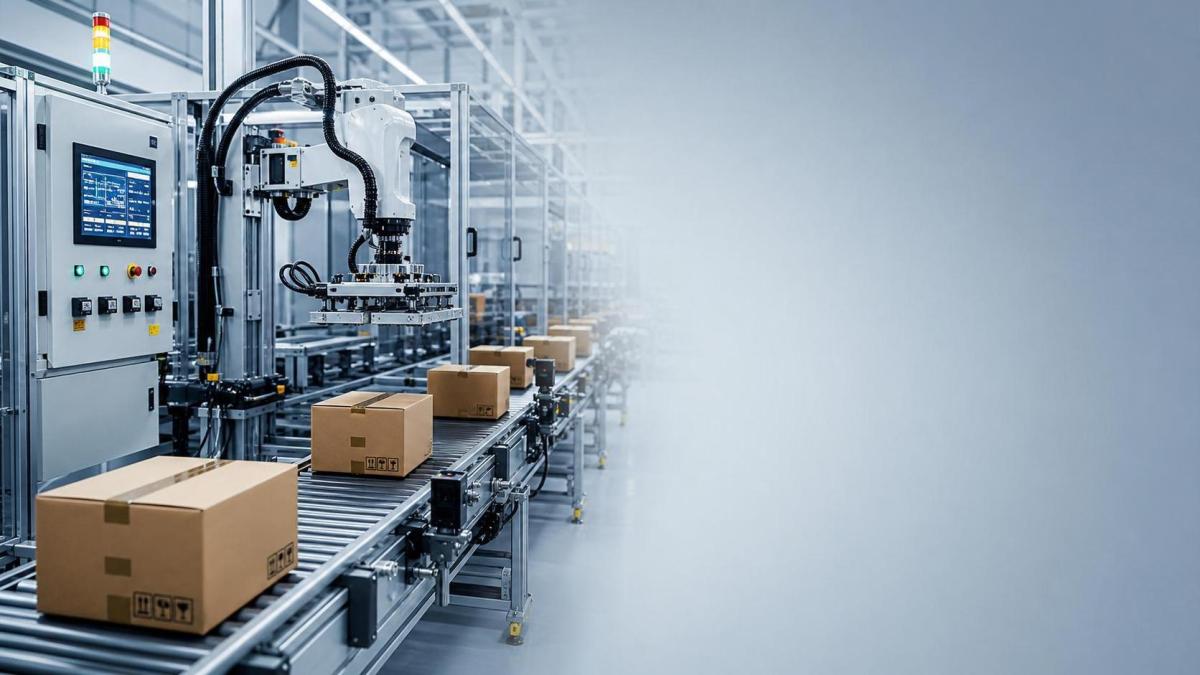
A packaging line automation supplier shapes throughput, scrap rate, maintenance burden, and expansion options for years, not just the first invoice.
That matters even more in corrugated, printing, folding-gluing, and furniture-related production, where one weak link can slow an entire plant.
In real projects, RFQs often look similar on paper. The differences appear in integration depth, controls logic, spare parts planning, and local service response.
A strong packaging line automation supplier should understand upstream and downstream behavior, not only the standalone machine.
That is especially relevant across the PWFS landscape, from corrugated board lines and offset presses to die-cutters, folder-gluers, CNC routers, and edge banders.
The practical question is simple: can the supplier protect uptime while supporting future process changes, compliance needs, and cost targets?
Before sending an RFQ, it helps to compare nine factors as one operating system, not nine isolated checkboxes.
What should be clarified before comparing any packaging line automation supplier?
Start with line intent. Are you automating for labor reduction, speed stability, traceability, format flexibility, or all four?
Without that baseline, quotations become difficult to compare because each supplier will optimize for different assumptions.
The clearer approach is to define a working profile before RFQ release:
- Primary product mix, including size range, substrate type, and changeover frequency.
- Required hourly output under normal conditions, not only peak theoretical speed.
- Quality thresholds such as registration accuracy, glue consistency, cut precision, or edge finish.
- Data expectations, including MES, ERP, barcode, recipe, and OEE reporting interfaces.
- Utility limits, floor layout, staffing model, and planned capacity growth.
This is where many buyer-side comparisons go off track. A lower-priced offer may simply exclude conveyors, recipes, safety zoning, or commissioning scope.
A capable packaging line automation supplier usually asks more questions early. That is not sales friction. It is often a sign of engineering seriousness.
Which 9 factors deserve the closest look before the RFQ goes out?
The list below works well because it balances technical, commercial, and operational risk.
When comparing any packaging line automation supplier, these nine factors create a much sharper shortlist than price alone.
How do you tell whether a supplier understands your process or is only quoting hardware?
Look at the questions they ask. Serious suppliers dig into line balancing, bottlenecks, reject loops, cleaning time, and operator intervention points.
In corrugated converting, for example, board warp, stack stability, and downstream bundling behavior can shape automation success more than nominal line speed.
In offset or folding-carton workflows, registration tolerance and die-cut stability matter because automation must preserve print quality while moving fast.
For CNC woodworking and edge banding, the stronger packaging line automation supplier will discuss nesting logic, chip evacuation, glue behavior, and digital job transfer.
That is one reason PWFS intelligence tends to focus on the physics behind output, not only catalog specifications.
A good practical test is to request a process-risk map. Ask each supplier to identify three likely failure points and their control strategy.
The weaker proposals stay generic. The stronger ones mention sensors, recipe logic, buffer sizing, servo coordination, and operator alarm handling.
Where do cost surprises usually appear with a packaging line automation supplier?
Most budget overruns come from missing scope, not from the base machine price.
In practice, several items are often underestimated during RFQ comparison:
- Conveyor and transfer sections needed to stabilize flow between machines.
- Electrical standards conversion, guarding changes, and compliance documentation.
- Software customization for recipes, data export, user levels, and alarm history.
- Spare parts packages, remote service subscriptions, and training refresh sessions.
- Reduced output during startup, especially when operators are new to automation logic.
It is also common to overlook consumables. Adhesive systems, cutting tools, belts, sensors, and maintenance kits can materially change annual ownership cost.
So when reviewing a packaging line automation supplier, ask for a three-year cost view, not only a delivered-equipment figure.
That comparison is usually more honest, and it keeps low-entry-price offers from distorting the ranking.
A quick cost-check question set
Before final RFQ release, these checks help expose hidden cost drivers:
- What output level is guaranteed after changeovers, not only in continuous runs?
- Which utilities and civil works are excluded from the proposal?
- Which spare parts are mandatory for the first twelve months?
- How much on-site commissioning time is included?
- What software changes will require paid engineering later?
What risks are easy to miss when comparing supplier proposals side by side?
The first risk is comparing theoretical maximums instead of stable production output. Those are rarely the same number.
The second is treating reference lists as proof. A valid reference should match your material, speed class, and automation depth.
Another frequent issue is software dependence. If only the original supplier can edit logic, future upgrades may become slow and expensive.
Compliance assumptions also deserve attention. For packaging applications, traceability, food-grade migration limits, and documentation quality can be decisive.
PWFS often highlights this point because high-speed production without documented control discipline creates downstream commercial risk.
The final blind spot is expansion. A packaging line automation supplier may meet today’s throughput but fail when new formats or data requirements arrive.
A useful rule is to score proposals against the next three years, not only the current order book.
What is the smartest next step before sending the RFQ?
Build a short comparison sheet and force every packaging line automation supplier to answer the same technical and commercial questions.
Keep the sheet specific. Include product range, target OEE, staffing assumptions, compliance needs, spare parts policy, and future expansion expectations.
Then ask for three things in parallel: a line concept, a scope boundary list, and a ramp-up plan.
That structure makes proposal differences visible early, especially around controls architecture, service readiness, and total ownership cost.
For sectors tracked by PWFS, this discipline is valuable because packaging, print, and wood-processing lines depend on speed, precision, and digital coordination together.
The best choice is rarely the loudest claim. It is the packaging line automation supplier that can explain process fit, prove execution, and support scaling without costly redesign.
If the next move is to issue an RFQ, define the nine factors in scoring form first. That turns supplier comparison into a decision, not a guessing exercise.
Related News
Get weekly intelligence in your inbox.
No noise. No sponsored content. Pure intelligence.
