
Custom Furniture for Wardrobes: How to Plan Layouts, Storage, and Material Choices
Custom Furniture for Wardrobes: How to Plan Layouts, Storage, and Material Choices
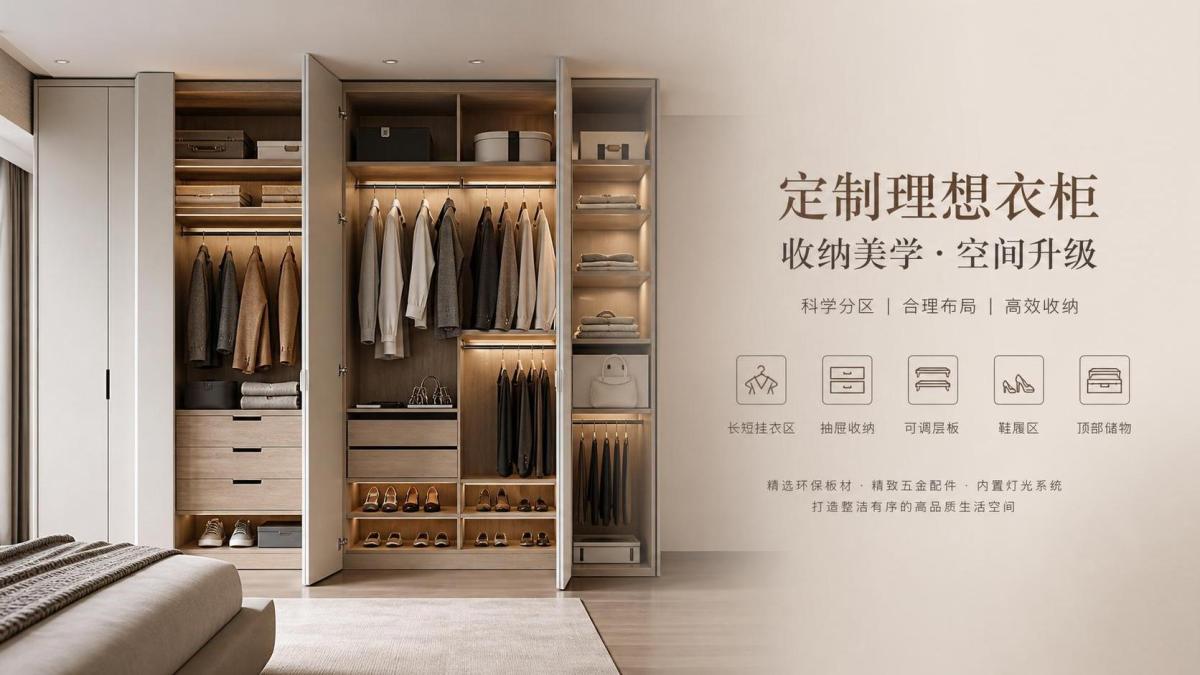
Planning custom furniture for wardrobes starts with daily habits, room limits, and storage priorities. A good design looks clean, works hard, and stays practical for years.
That is why custom furniture for wardrobes should never begin with finishes alone. Layout comes first, then storage zones, then materials that fit real use.
When those three parts align, the wardrobe feels larger, easier to use, and more visually balanced. It also reduces clutter, wasted corners, and hard-to-reach storage.
This guide explains how to choose custom furniture for wardrobes with a clear, usable method. It focuses on layout planning, storage decisions, and smart material selection.
Start with the Room, Not the Wardrobe
Before comparing colors or hardware, measure the room carefully. Ceiling height, wall width, door swing, windows, and floor leveling all affect custom furniture for wardrobes.
A built-in wardrobe that looks perfect on paper can fail in use. The most common issues are blocked drawers, poor lighting, and narrow walkways.
It helps to stand in the room and simulate movement. Open imagined doors, bend for drawers, and check whether two people can move comfortably.
In smaller bedrooms, sliding doors often improve circulation. In wider rooms, hinged doors can give better full-access visibility and easier daily use.
If the wardrobe runs floor to ceiling, plan top compartments for low-frequency storage. That keeps prime reach zones open for clothes used every week.
Map Your Storage by Real Clothing Habits
The best custom furniture for wardrobes reflects what you actually own. A wardrobe for suits works differently from one built for folded knitwear or long dresses.
Start by grouping items into categories. Count hanging clothes, folded clothes, shoes, bags, accessories, bedding, and seasonal pieces.
This step sounds simple, but it prevents the classic mistake of adding too many shelves and too little hanging space.
A practical breakdown often looks like this:
- Short hanging for shirts, jackets, and folded trousers.
- Long hanging for coats, dresses, and formalwear.
- Drawers for underwear, socks, jewelry, and smaller accessories.
- Adjustable shelves for sweaters, denim, and storage boxes.
- Lower shoe zones for daily pairs and quick access.
- Upper cabinets for suitcases, extra quilts, or rarely used items.
From there, custom furniture for wardrobes becomes easier to scale. The internal layout follows clothing volume instead of guesswork or showroom trends.
Plan the Internal Layout in Functional Zones
A strong wardrobe layout usually has three vertical zones: top, middle, and bottom. Each should serve a different purpose.
The middle zone is the most valuable. Place everyday clothing here because it stays within the easiest reach range.
The top zone works for storage that is light or seasonal. Avoid placing heavy boxes overhead, especially in deep wardrobe sections.
The bottom zone is ideal for shoes, baskets, and drawers. It can also hold pull-out trays if the room allows full extension.
For custom furniture for wardrobes, symmetry is optional. Function matters more than perfectly matching left and right sections.
A useful rule is to mix open and closed storage. Open shelves make items visible, while drawers hide visual clutter and keep the room calmer.
Common Layout Sizes That Work Well
Exact sizes vary, but a few planning ranges are widely useful when designing custom furniture for wardrobes.
These dimensions give a strong starting point. Final adjustments should reflect clothing length, user height, and the wardrobe door system.
Choose Storage Features That Solve Specific Problems
Custom furniture for wardrobes performs best when each feature answers a real storage problem. More accessories do not always mean a better design.
Pull-out trouser racks are useful when hanging storage is limited. Jewelry trays work well, but only if they are shallow and easy to access.
Pull-down hanging rails can help with tall wardrobes. They are practical for some users, but they add hardware complexity and should be tested first.
Shoe racks are another area where planning matters. Angled shelves save visibility, while flat shelves often hold bulky footwear better.
In many homes, the most valuable add-on is simply a well-placed internal drawer bank. It creates order without making the wardrobe feel crowded.
- Use drawers for small, mixed items that disappear on open shelves.
- Use adjustable shelves where clothing volume changes through seasons.
- Use trays or dividers only for categories that are already consistent.
- Leave some empty capacity for future purchases and lifestyle changes.
Material Choices Affect Durability, Maintenance, and Feel
Material selection changes both appearance and lifespan. For custom furniture for wardrobes, this is not only a style choice but also a performance decision.
Engineered boards are common because they balance cost, consistency, and finish options. Plywood often offers better screw holding and structural stability.
MDF can create smooth painted surfaces, but moisture resistance should be checked carefully. Particle board can work in dry interiors when quality is reliable.
Edge finishing matters more than many people expect. Good edge sealing improves durability, appearance, and indoor cleanliness over time.
This is where advanced woodworking systems make a visible difference. Precision CNC processing and stable edge banding support cleaner joins and better long-term performance.
What to Compare Before Choosing a Board
- Surface resistance to scratches and stains.
- Core density and screw-holding strength.
- Moisture resistance for humid climates.
- Edge quality and sealing method.
- Emission standard and traceable material quality.
- Finish consistency across doors, panels, and drawers.
A wardrobe is touched every day. Surfaces should resist fingerprints, hardware should move smoothly, and panel quality should stay stable through seasonal changes.
Don’t Ignore Hardware, Lighting, and Ventilation
Even well-designed custom furniture for wardrobes can feel disappointing if the hardware is weak. Hinges, drawer slides, handles, and door tracks shape everyday comfort.
Soft-close hardware reduces noise and wear. Full-extension drawer slides improve visibility and make deep storage far more usable.
Lighting is another upgrade that pays off quickly. Warm internal LED strips help identify colors, corners, and smaller items without harsh shadows.
Ventilation also matters, especially for tightly sealed wardrobes. Small gaps, breathable storage habits, and dry room conditions help prevent musty odors.
For large built-ins, internal mirrors can improve function without using extra wall space. They also make dressing routines more efficient.
Avoid the Most Common Planning Mistakes
Most wardrobe problems come from planning shortcuts, not from lack of budget. A few early checks can protect the entire investment.
- Do not copy a showroom layout without checking your actual clothing mix.
- Do not overfill the design with accessories that reduce usable volume.
- Do not make shelves too deep for folded items.
- Do not skip top storage planning in full-height wardrobes.
- Do not choose finishes only by appearance under store lighting.
- Do not forget future needs, especially children, lifestyle shifts, or seasonal storage growth.
A wardrobe should still work well after several years of changing routines. Flexibility is one of the strongest advantages of custom furniture for wardrobes.
A Simple Decision Framework Before You Order
To make better choices, review the project in this order. It keeps custom furniture for wardrobes focused on use, not just visual appeal.
- Measure the room and check all movement clearances.
- List clothing categories and estimate storage volume honestly.
- Assign hanging, folding, drawer, and top storage zones.
- Select useful accessories based on specific problems.
- Compare board materials, finish durability, and edge quality.
- Confirm hardware performance, lighting, and installation details.
When that sequence is followed, custom furniture for wardrobes becomes easier to evaluate. The result is usually cleaner, more efficient, and less likely to need costly changes later.
The best wardrobe is not the one with the most features. It is the one that fits your room, supports your routine, and uses durable materials with intent.
Related News
Get weekly intelligence in your inbox.
No noise. No sponsored content. Pure intelligence.
