
Packaging automation costs less when bottlenecks are fixed first
For many industrial operations, packaging automation appears to mean buying the fastest line first.
Yet capital efficiency improves when bottlenecks are exposed before equipment budgets are approved.
In corrugated converting, offset printing, folding-gluing, and furniture component packaging, hidden flow constraints distort true automation returns.
When stoppages, changeovers, and defects remain untreated, packaging automation simply accelerates instability.
When they are fixed first, packaging automation becomes a disciplined growth lever with faster payback and lower risk.
The market signal is clear: smarter packaging automation now starts with flow visibility
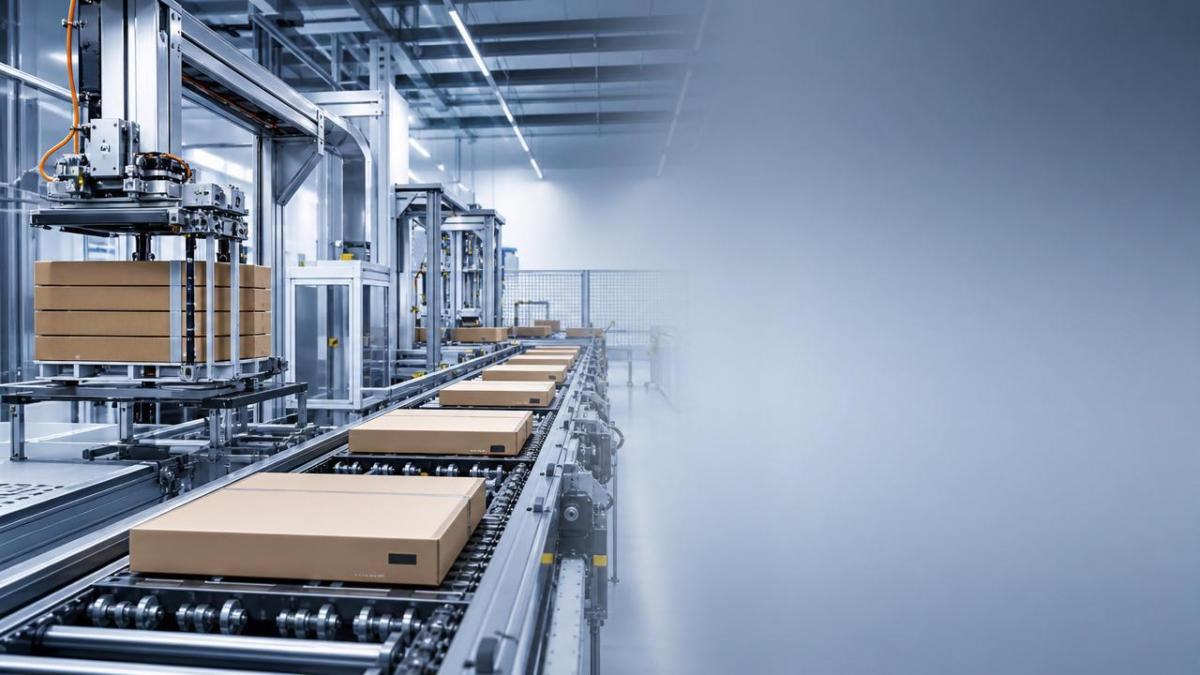
A visible shift is unfolding across packaging and wood-processing operations.
Investment decisions are moving away from headline machine speed toward bottleneck-centered packaging automation planning.
This is especially true where mixed SKUs, short runs, and urgent delivery windows dominate daily output.
A die-cutter rated for impressive throughput cannot protect margins if pre-feed staging is inconsistent.
A folder-gluer with advanced controls cannot raise profits if blank quality varies upstream.
Likewise, CNC woodworking cells lose automation value when nesting, labeling, and panel buffering remain disconnected.
The trend favors measurable constraints analysis, then phased packaging automation aligned with actual loss points.
Why this trend is accelerating across packaging, print, and woodworking systems
Several forces are pushing businesses to sequence packaging automation more carefully than before.
These signals explain why full-line upgrades no longer guarantee the best financial outcome.
The winning pattern is not less packaging automation, but better-timed packaging automation.
Bottlenecks usually hide in ordinary losses, not dramatic breakdowns
The biggest constraint is often not the oldest machine or the slowest rated station.
It is usually an ordinary loss repeated across every shift.
Common hidden constraints
- Frequent micro-stops at feeding, stacking, or bundle transfer points
- Long setup windows between carton sizes, print jobs, or panel dimensions
- Quality drift causing rework after printing, die-cutting, gluing, or edge banding
- Poor material presentation, including warped board, mixed stacks, or labeling errors
- Unbalanced upstream and downstream buffering that forces waiting time
If these issues remain, packaging automation may raise installed capacity without lifting shipped output.
That gap creates disappointment in ROI reviews and weakens future investment confidence.
The financial logic is changing from machine ownership to throughput quality
Finance logic around packaging automation is becoming more operationally precise.
The core question is no longer, “How automated is the line?”
The better question is, “Which constraint limits profitable throughput today?”
A smaller intervention can outperform a flagship purchase when it removes waiting, scrap, or setup delay.
This logic matters in integrated paper and wood environments where flow is interdependent.
One unstable station can reduce the value of every downstream packaging automation asset.
The impact reaches every major production link
The bottleneck-first approach changes how industrial systems evaluate improvement priorities.
Corrugated and carton converting
Board quality variation, pile alignment, and job sequencing often matter more than top machine speed.
Targeted packaging automation at loading, inspection, or palletizing can outperform broad replacement strategies.
Offset printing and color-critical packaging
Makeready reduction, register stability, and waste control define returns.
Without those controls, packaging automation may speed output while multiplying rejected sheets.
Folder-gluers and die-cutting cells
Blank consistency, tooling discipline, and feeder reliability decide whether automation remains smooth or constantly interrupted.
CNC woodworking and furniture component packaging
Digital cutting alone does not ensure fast delivery.
Panel identification, edge-flow balance, and kitting accuracy strongly influence final packaging automation performance.
What deserves attention before expanding packaging automation
A practical review should focus on the variables that most often distort investment outcomes.
- Measure real throughput by shift, SKU family, and product condition
- Separate planned speed from sold output and shipped output
- Track changeover minutes with the same rigor as production minutes
- Map where defects originate instead of where they are discovered
- Check whether material flow, labels, and buffers support automated rhythm
- Confirm data connectivity between planning, machine controls, and quality reporting
These checkpoints create the foundation for packaging automation that improves margins rather than only adding complexity.
A phased response usually works better than a one-step overhaul
The strongest response is usually staged, measurable, and tied to one validated constraint at a time.
- Diagnose the current bottleneck using downtime, scrap, and queue data.
- Stabilize the process with maintenance, setup discipline, and operator logic.
- Add focused packaging automation where manual handling still limits flow.
- Validate throughput, quality, and labor effects before scaling further.
- Expand automation only after the next constraint becomes visible.
This sequence turns packaging automation into a controlled capability-building program.
It also supports better capital governance in markets facing volatile demand and rising customization.
The next competitive edge will come from sequencing, not just spending
Across PWFS-covered systems, the next advantage will belong to operations that combine process intelligence with well-sequenced packaging automation.
The lesson is simple but powerful.
Do not automate confusion.
Clarify the constraint, remove the loss, then scale packaging automation where evidence supports it.
That approach lowers capital risk, improves operating resilience, and creates a cleaner path toward profitable growth.
A useful next step is a line-by-line bottleneck audit covering throughput, changeover, quality, and material flow.
With that baseline, packaging automation decisions become clearer, faster, and financially stronger.
Related News
Get weekly intelligence in your inbox.
No noise. No sponsored content. Pure intelligence.
