
Flexible Packaging Technology Trends Reshaping Print and Converting
Flexible packaging technology is changing how packaging is designed, printed, converted, and delivered across global supply chains. It now affects shelf appeal, line speed, material usage, barrier performance, and data-driven production planning.
For industrial intelligence platforms such as PWFS, these shifts matter because packaging is no longer only a material choice. It is a production system decision linking printing precision, converting automation, compliance, and total operating efficiency.
As e-commerce, food safety rules, SKU proliferation, and sustainability targets tighten together, flexible packaging technology becomes a key lens for evaluating smarter equipment, better substrates, and more resilient converting strategies.
Why flexible packaging technology matters more in different production scenarios
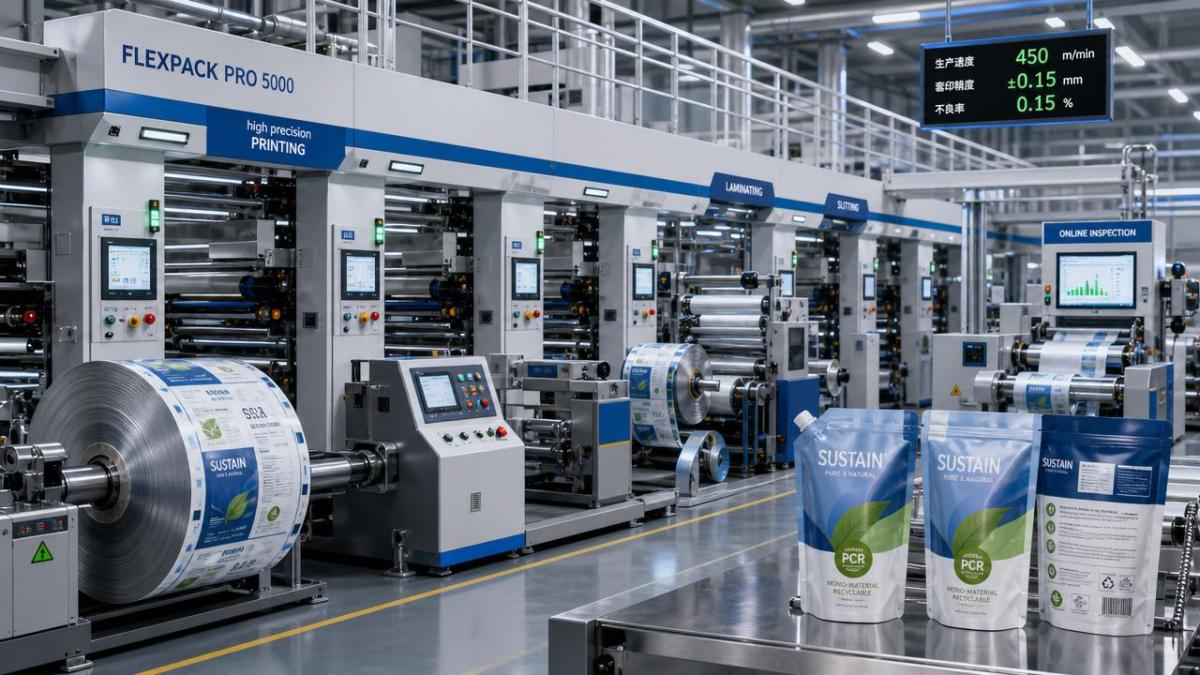
Not every packaging line faces the same pressure. A snack pouch line values speed and sealing consistency. A medical sachet line values validation, traceability, and migration control. A premium household product line values graphics and finish.
This is why flexible packaging technology should be judged by scenario. The best solution depends on order frequency, substrate complexity, print quality targets, compliance risk, and changeover intensity.
PWFS tracks this transition from the equipment side as well. High-precision printing, automated converting, digital workflow integration, and waste control now define competitive packaging operations across many industries.
Scenario 1: High-volume consumer packaging needs speed without sacrificing consistency
In food, personal care, and home-care applications, flexible packaging technology is increasingly shaped by throughput. Large runs still demand stable registration, predictable curing, and reliable laminating or sealing at high speeds.
The key judgment point is not only maximum machine speed. It is whether the line can hold repeatable quality during long runs, material variation, and frequent roll changes.
What matters most in this scenario
- Stable web handling and tension control
- Fast drying or curing with minimal defects
- Reliable inline inspection for print and seal quality
- Lower waste during startup and job transitions
In this environment, flexible packaging technology trends favor servo-driven automation, closed-loop registration, smarter viscosity control, and predictive maintenance tools that reduce unplanned stoppages.
Scenario 2: Short-run and multi-SKU packaging needs agility and fast changeovers
Brand fragmentation is pushing converters toward more variants, seasonal packs, and localized graphics. Here, flexible packaging technology is judged by setup speed, data connectivity, and job repeatability rather than pure top speed.
The main challenge is hidden downtime. Frequent cylinder changes, color corrections, substrate swaps, and approval delays can make a fast press behave like a slow factory.
Core judgment points
Look for workflow systems that connect prepress, color libraries, press settings, inspection data, and finishing parameters. Digital job recipes are becoming central to modern flexible packaging technology.
Hybrid printing models are also gaining relevance. Digital modules, automated wash-up systems, and recipe-based controls support profitable short runs while preserving quality consistency.
Scenario 3: Regulated packaging needs compliance built into the process
For pharmaceuticals, nutraceuticals, pet food, and sensitive food-contact applications, flexible packaging technology is no longer just about appearance or speed. It must also manage migration risk, traceability, and validation discipline.
In these settings, material selection, ink chemistry, adhesive behavior, and curing completeness directly affect compliance. A visually good pack may still fail performance or safety expectations.
Signals of a stronger process
- Documented material traceability across each roll and batch
- Controlled ink and adhesive systems for target applications
- Inspection records linked to production lots
- Validated sealing and barrier performance data
This is where the PWFS intelligence perspective becomes practical. Precision print control, converting stability, and compliance intelligence must operate as one system, not as isolated departments.
Scenario 4: Sustainability-driven packaging needs material and machine co-optimization
Sustainability is one of the strongest drivers reshaping flexible packaging technology. The market is moving from simple downgauging toward recyclable mono-material structures, lower-solvent processes, and measurable waste reduction.
However, replacing a proven multilayer structure is not easy. New films may behave differently in printing, lamination, slitting, pouch making, and transport. The material story must match machine capability.
What to evaluate before switching structures
- Barrier needs versus recyclability targets
- Seal window stability on existing equipment
- Print adhesion and surface treatment requirements
- Waste rates during start-up, slitting, and pouch conversion
The most effective flexible packaging technology strategies combine substrate testing, line parameter tuning, and inspection feedback. Sustainability goals succeed faster when engineering and production data are connected.
How scenario demands differ across flexible packaging technology decisions
Practical recommendations for choosing the right flexible packaging technology path
A strong decision process starts with operational reality. Trend headlines alone are not enough. The right flexible packaging technology investment should answer specific production constraints and market targets.
- Map actual downtime by cause before selecting new equipment
- Test materials under real line conditions, not lab assumptions only
- Link print quality data with converting and sealing outcomes
- Prioritize systems that support traceability and digital integration
- Evaluate total waste, energy use, and changeover time together
PWFS emphasizes this integrated view because modern packaging performance depends on the full chain. Print registration, die-cutting logic, adhesive behavior, and automation architecture increasingly influence each other.
Common misjudgments that weaken flexible packaging technology upgrades
One common mistake is treating material innovation as separate from converting behavior. A film that supports sustainability claims may still create sealing inconsistency, curl, or registration drift if process settings are not adjusted.
Another mistake is focusing only on press capability. Flexible packaging technology performance also depends on slitting precision, lamination control, inspection discipline, and downstream pouch-making stability.
A third misjudgment is underestimating data structure. Without connected recipes, defect history, and traceability records, even advanced equipment may fail to deliver repeatable gains across sites or product variants.
Next-step actions for tracking flexible packaging technology with confidence
The most useful next step is to review packaging operations by scenario instead of by machine category alone. Separate high-volume work, short-run work, regulated work, and sustainability-led development programs.
Then compare each scenario against measurable criteria: waste, changeover time, registration stability, compliance records, energy use, and material yield. This creates a clear picture of where flexible packaging technology can deliver value fastest.
With its focus on corrugated, offset, converting, and CNC production intelligence, PWFS helps connect these packaging shifts to broader industrial manufacturing realities. That connection is increasingly essential as packaging quality, automation, and sustainability become one strategic equation.
Flexible packaging technology is no longer a narrow technical topic. It is a scenario-driven decision framework for smarter production, better compliance, stronger shelf performance, and more resilient global packaging operations.
Related News
Get weekly intelligence in your inbox.
No noise. No sponsored content. Pure intelligence.
